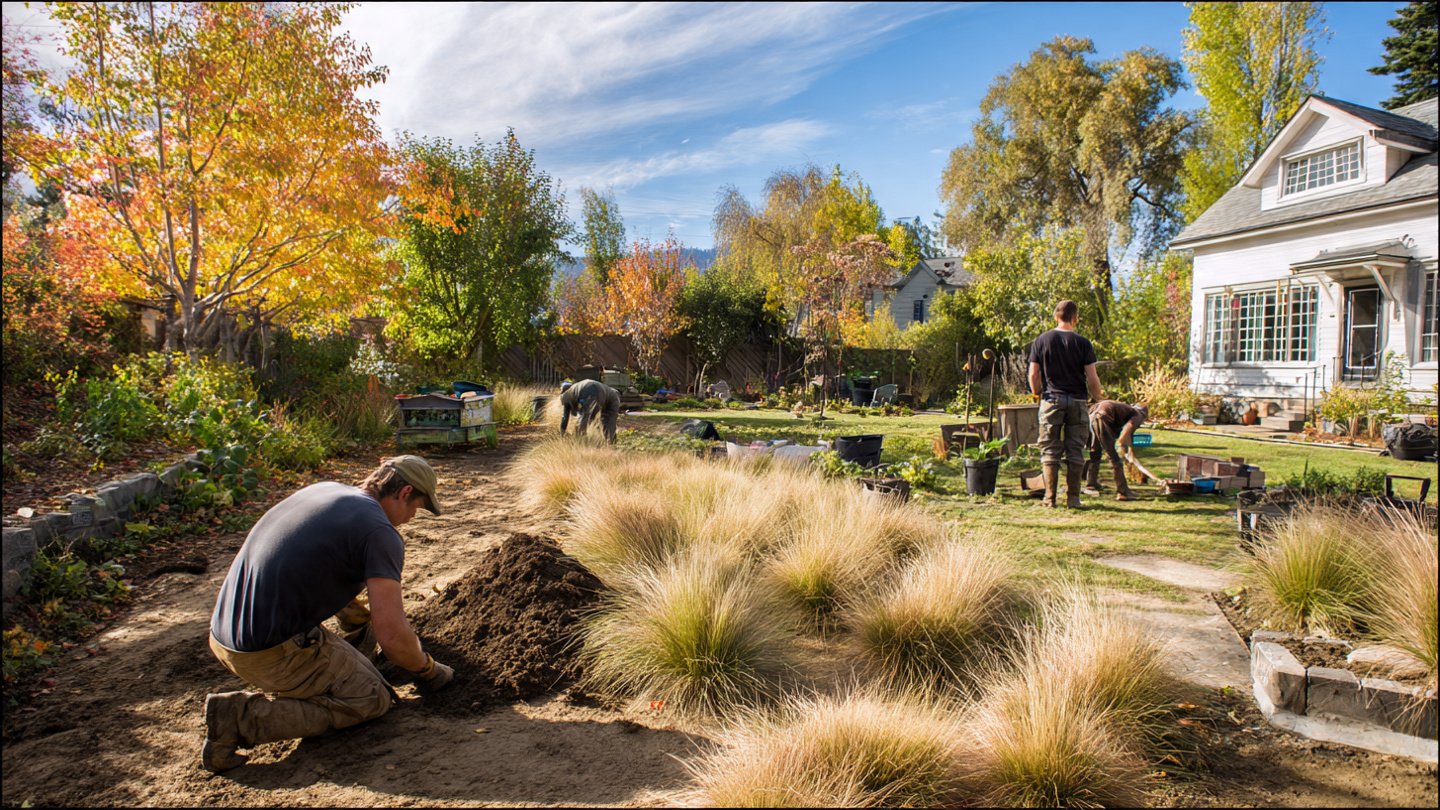

As fall approaches, many gardeners reflect on their landscaping options for the season. One often-overlooked choice is planting rye grass. This hardy grass species offers a plethora of advantages that can benefit your garden and landscaping. Whether you are a seasoned gardener or a beginner, here are compelling reasons to consider rye grass for your fall planting.
Understanding Rye Grass
Before diving into the benefits of rye grass, it’s essential to understand what it is and how it behaves in different conditions. Rye grass, particularly the annual variety (Lolium perenne and Lolium multiflorum), is a fast-growing and cool-season grass well-suited for cool climates. It germinates quickly—in about 5 to 10 days—and establishes a dense turf in a short period, making it an excellent choice for a cover crop.
Benefits of Planting Rye Grass
1. Improved Soil Health
One of the significant benefits of planting rye grass is its ability to improve soil health. Rye grass has a deep root system that helps aerate the soil and prevent compaction. This aeration allows for better drainage and reduces waterlogging, which can harm plant roots. Furthermore, the grass contributes organic matter to the soil as it grows and decomposes, enriching the soil with nutrients necessary for other plants.
2. Weed Suppression
Fall is notorious for weed growth, and planting rye grass can provide a natural solution. Its dense growth habit creates a thick mat that shades the soil, effectively smothering many winter weeds. Additionally, by outcompeting these unwanted plants for nutrients and water, rye grass reduces their prevalence in your garden, allowing your desired plants to thrive.
3. Erosion Control
In regions where heavy rains are common, the risk of soil erosion increases significantly. Rye grass, with its extensive root system, excels in stabilizing the soil, preventing it from washing away during rainstorms. This characteristic can be particularly important for hilly gardens or areas with loose soil.
4. Nutrient Retention
Rye grass has a unique ability to retain nutrients in the soil. It can absorb excess nitrogen and other nutrients that may otherwise be washed away by rain or snowmelt. This characteristic not only keeps your soil fertile but also reduces the risk of nutrient runoff into nearby water bodies, which can contribute to pollution and algal blooms.
5. Aesthetic Appeal
As a lush, green grass, rye grass adds an appealing aesthetic to your garden. It provides a vibrant cover during the fall and through the winter months, keeping your garden looking lively even as other plants enter dormancy. This visual appeal can be incredibly beneficial for homeowners looking to maintain their property’s curb appeal.
6. Quick Germination and Establishment
One of the most significant advantages of rye grass is its rapid germination and establishment. Unlike many other grass types, rye grass can sprout within a week under ideal conditions. This speed allows gardeners to quickly cover bare patches in their lawns or gardens and set up groundwork for the following planting season.
7. Compatibility with Other Plants
Rye grass is compatible with various other crops and plants, making it an excellent companion plant. It can be mixed with clovers or legumes to create a more robust cover that improves nitrogen levels in the soil and enhances overall garden health. This compatibility opens avenues for polyculture farming, which can be beneficial for sustainability.
8. Pest and Disease Resistance
Rye grass is generally resistant to many common lawn and garden diseases. While no plant is entirely immune to pests, the hardiness of rye grass helps it withstand various threats better than more delicate varieties. This resilience means less time worrying about diseases and more time enjoying your garden.
9. Cost-Effectiveness
When compared to other cover crop options, rye grass is relatively inexpensive. It’s typically easier to source, and due to its fast growth, you’ll achieve the benefits sooner. This cost-effectiveness makes it an attractive option for both residential gardens and larger agricultural applications.
10. Serves as a “Nurse Crop”
Rye grass can act as a “nurse crop” for young plants and seeds. By providing cover and shade, it reduces the stress on these young plants, helping them to establish themselves better. As the growing season progresses, you can selectively manage the rye grass to ensure it doesn’t outcompete your emerging plants.
Best Practices for Planting Rye Grass
If you’re convinced of the benefits of rye grass and want to plant it this fall, here are some best practices to keep in mind:
Select the Right Variety
While annual ryegrass is popular, consider using perennial ryegrass if you live in a milder climate. It’s also worth researching local varieties that thrive in your specific conditions.
Prepare the Soil
Before planting, prepare the soil by tilling it to a depth of about 4-6 inches. Remove any debris, rocks, or weeds to ensure a clean seedbed.
Timing is Key
Plant rye grass about 4-6 weeks before the first expected frost. This timing allows the grass to establish a good root system before winter sets in.
Seed Application
Broadcast the seeds uniformly across the soil. A rate of about 5-10 pounds per 1,000 square feet is typical, but this can vary based on your specific needs and intended use.
Water Wisely
After sowing the seeds, ensure consistent moisture conditions. A light watering daily can help germination until the grass establishes itself. Avoid overwatering, as this can lead to damping-off diseases.
Maintenance
Once established, rye grass needs little maintenance. Mowing at a height of about 2-3 inches can help encourage density, but be mindful not to mow too short, as this can stress the grass.
Conclusion
Planting rye grass in your garden this fall is a multifaceted solution that yields various benefits, from improving soil health and suppressing weeds to providing quick aesthetic appeal. Its adaptability and resilience make it an ideal choice for both amateur gardeners and seasoned horticulturists. Whether you desire a vibrant landscape throughout the colder months or aim to improve the long-term health of your soil, rye grass stands out as a pragmatic and beneficial option. Embrace the productive capabilities of this powerhouse grass this fall and watch your garden thrive!