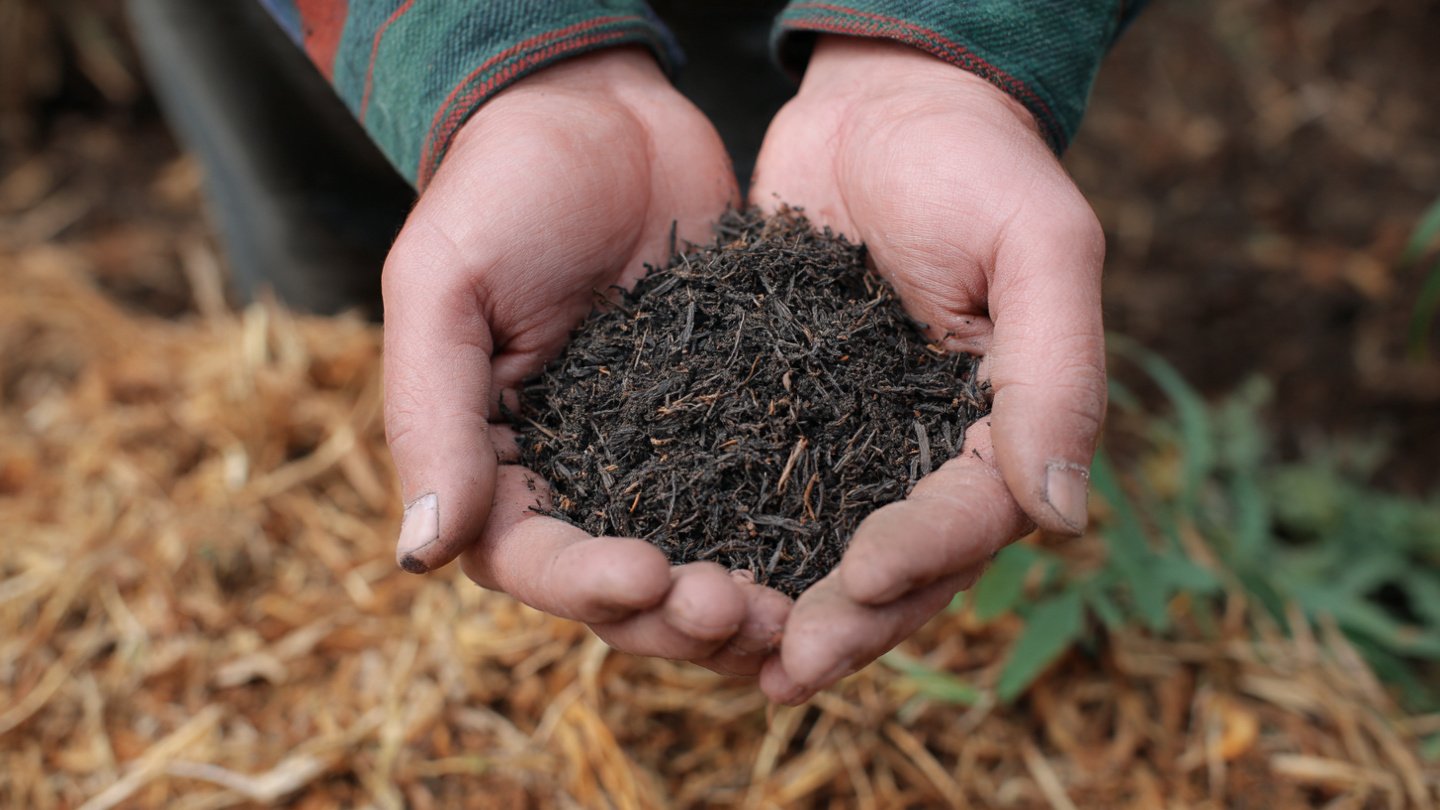

What is Biochar?
Biochar is a carbon-rich material produced from the pyrolysis of organic materials such as wood, agricultural residues, and even manure. This process occurs in a low-oxygen environment, preventing the organic matter from combusting. Instead of releasing carbon dioxide (CO2) into the atmosphere, biochar traps carbon in a stable form, making it a valuable tool in mitigating climate change.
The Benefits of Biochar in Garden Soil
Integrating biochar into garden soil can provide numerous benefits. Here are some of the most significant advantages:
1. Improved Soil Structure
One of the primary benefits of biochar is its ability to enhance soil structure. Biochar has a porous structure that allows for better aeration, which is crucial for root growth. The improved soil texture also helps retain moisture, reducing the frequency of watering.
2. Enhanced Nutrient Retention
Biochar’s porous nature increases its capacity to hold nutrients. This means that essential minerals like nitrogen, phosphorous, and potassium can be retained in the soil instead of being leached away by rain or irrigation. This retention leads to healthier plants with improved growth rates.
3. Increased Microbial Activity
The presence of biochar in the soil encourages the development of beneficial microorganisms. These microbes form symbiotic relationships with plants, enhancing nutrient uptake and improving disease resistance. A rich microbial community also contributes to the decomposition of organic materials, further enriching the soil.
4. pH Modulation
Biochar can help balance the soil pH, making it more suitable for a variety of plants. In acidic soils, biochar can raise pH levels, while in alkaline soils, it may help lower them. This adaptability makes biochar an excellent amendment for various soil types.
5. Carbon Sequestration
By incorporating biochar into your garden, you are contributing to carbon sequestration. Biochar sequesters carbon in a stable form, preventing it from entering the atmosphere as CO2. This not only benefits your garden but also contributes to global efforts against climate change.
How to Apply Biochar in Your Garden
The application of biochar in your garden can significantly enhance soil quality. Here are some practical steps to consider:
1. Choosing the Right Biochar
Not all biochars are created equal. It’s essential to select biochar that has been properly produced, preferably through a controlled pyrolysis process that ensures a consistent and high-quality product. Look for biochar that is tested for nutrient content and contaminants, especially if you plan to use it for edible crops.
2. Preparing the Biochar
Before applying biochar, it’s advisable to hydrate it by soaking it in water or mixing it with compost. This step helps to activate the biochar, allowing it to absorb nutrients better and supporting beneficial microbes when added to the soil.
3. Application Rate
The ideal application rate can vary depending on your soil type and existing nutrient levels. A general recommendation is to apply 5-15% biochar by volume in your garden beds. Keep in mind that overapplication can lead to imbalances, so it’s crucial to monitor your soil’s response.
4. Mixing with Soil
Incorporate the prepared biochar into the top 6-12 inches of soil to maximize its benefits. This can be done in conjunction with adding organic matter like compost for even better results.
Case Studies and Real-World Applications
Numerous studies have demonstrated the beneficial effects of biochar on agricultural practices:
1. Sustainable Agriculture
Farmers around the globe have started integrating biochar into their practices. In Brazil’s Amazon rainforest, indigenous people have used biochar (often referred to as “terra preta”) for centuries to create nutrient-rich soils that support productive agriculture.
2. Urban Gardening
Urban gardeners have found biochar to be an excellent solution for improving poor soil conditions in city environments. By enhancing nutrient retention and water-holding capacity, biochar enables city dwellers to grow healthy vegetables even in compacted or depleted soils.
Challenges and Considerations
While the benefits of biochar are substantial, there are some challenges to consider:
1. Cost
The production and transportation of biochar can be costly. Gardeners should weigh these costs against the long-term benefits of improved soil and potentially increased crop yields.
2. Quality Variation
The quality of biochar can vary significantly based on its source, production method, and feedstock used. Conducting proper research to source high-quality biochar is essential for achieving optimal results in your garden.
3. Over-Applied Biochar
Applying too much biochar can lead to nutrient imbalances and negatively impact plant growth. Always follow recommended guidelines and monitor the soil’s response over time.
Conclusion
Incorporating biochar into your garden soil can yield transformative benefits, from improving soil structure to enhancing nutrient retention and aiding in carbon sequestration. While challenges exist, the long-term advantages for both your garden and the environment make biochar a worthy addition to sustainable gardening practices.
FAQs
1. Can I make my own biochar at home?
Yes, you can create biochar using techniques such as the “burn-and-churn” method, where biomass is burned in a low-oxygen environment, typically in a container. However, ensure you follow safety guidelines and best practices.
2. How often should I apply biochar to my garden?
Applying biochar once every few years is usually sufficient. Monitor your soil’s condition and adjust accordingly.
3. Will biochar negatively affect my garden?
When used correctly and in appropriate amounts, biochar should not negatively affect your garden. Always consider testing your soil before application to determine the best course of action.
4. Can biochar be used in containers or raised beds?
Absolutely! Biochar can improve soil quality in containers and raised beds, enhancing drainage and nutrient retention.
5. Is biochar safe for edible plants?
When sourced from reputable producers and produced without contaminants, biochar is safe for use in gardens growing edible plants.