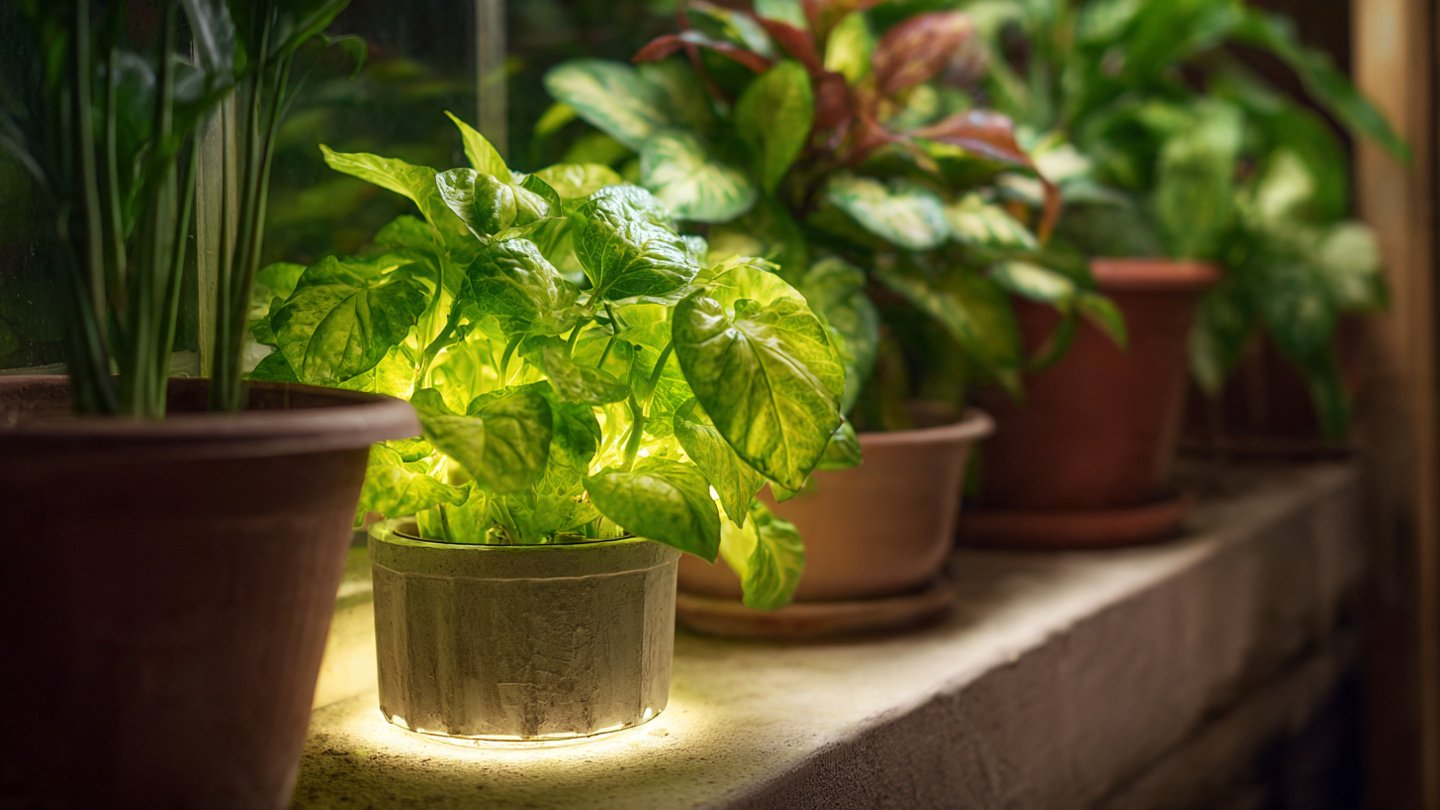

In an age where urban living often means reduced access to natural light and outdoor gardening spaces, many plant enthusiasts and interior designers are turning to innovative solutions for cultivating greenery indoors. One such solution is low voltage lighting, which not only enhances the aesthetic appeal of potted plants but also promotes their growth and wellbeing. This article delves into how low voltage lighting can transform the care of your potted plants and elevate your indoor gardening experience.
Understanding Low Voltage Lighting
Low voltage lighting refers to lighting systems that operate on a reduced voltage, typically 12 or 24 volts, making them safer and more energy-efficient than traditional high voltage systems. Used primarily in decorative and functional landscaping, they have garnered attention in indoor spaces as well, particularly among plant lovers. Low voltage lights come in various forms, including LED strips, spotlights, and pendant lamps, making them versatile for different plant needs and interior designs.
How Low Voltage Lighting Benefits Potted Plants
1. Enhanced Growth
Plants require light for photosynthesis, and low voltage lighting can supplement this need, particularly in indoor environments where natural light is limited. LEDs emit specific wavelengths of light that can be tailored to improve plant growth. Red light stimulates flowering and fruiting, while blue light promotes vegetative growth. By strategically using low voltage LED lights, you can create an environment conducive to healthy plant development.
2. Energy Efficiency
Low voltage lighting systems, especially LED variants, are highly energy-efficient. They consume significantly less electricity compared to traditional incandescent or halogen bulbs, making them an environmentally friendly choice. For plant caregivers, this means reducing energy bills while still providing adequate illumination for their plants.
3. Heat Management
Traditional lighting can generate excess heat, which might damage your plants or affect the temperature of your living space. In contrast, low voltage LED lighting generates minimal heat, making it a safer option for closer placement to your potted plants. This feature allows for better temperature control and reduces the risk of overheating, ensuring your plants remain in ideal conditions.
4. Versatility and Customizability
Low voltage lighting systems are incredibly versatile. They can be easily adapted to fit various settings and can be positioned to highlight specific plants or areas of your garden. You can create stunning effects by using colored LED lights or adjust the intensity of the lights based on your plants’ specific needs. This customizability allows you to design a display that not only nurtures your plants but also complements your interior décor.
5. Year-Round Plant Care
Many regions experience changing seasons that affect the amount of available natural light. Low voltage lighting systems ensure that your potted plants receive adequate light exposure year-round, regardless of external conditions. This capability can be a game-changer for individuals who want to keep flowering plants thriving through winter or maintain lush green growth in lower light conditions.
Designing Your Low Voltage Lighting Setup
1. Assess Your Space
Before installing low voltage lighting, take the time to assess your indoor space. Consider the layout of your potted plants, their size, and the amount of natural light they currently receive. Areas that receive insufficient light should be prioritized for additional illumination.
2. Choose the Right Type of Lights
There are several types of low voltage lights available for plant care:
- LED Strips: Ideal for larger areas or plant shelves, they can be cut to size and installed in a variety of configurations.
- Spotlights: Best for highlighting individual plants or creating focal points in your plant display.
- Desk or Pendant Lamps: Suitable for small spaces or specific plants that require more intensive light.
- Grow Lights: Specifically designed to provide the necessary light spectrum for plant growth, these can often be adjustable for different stages of growth.
3. Positioning the Lights
Proper positioning is crucial for the effectiveness of your lighting setup. Place lights close to plants that require more light, but ensure you maintain a safe distance to prevent overheating. Generally, a distance of 12 to 24 inches from the plant canopy is effective for most indoor plants, depending on the strength of the light.
4. Timing and Duration
Plants have varying light requirements depending on their species. Most houseplants do well with 12-16 hours of light followed by 8-12 hours of darkness. Incorporating a timer into your low voltage lighting system can automate this process, ensuring your plants receive a consistent light schedule.
5. Experiment and Adjust
Every plant is unique, and their response to light can vary. Be prepared to experiment with different types of lights, positioning, and duration. Monitor your plants for signs of stress, growth, or even flourishing health to determine the optimal lighting conditions.
The Aesthetic Appeal of Low Voltage Lighting
While the primary benefit of low voltage lighting is its practical application in promoting plant growth, the aesthetic appeal cannot be overlooked. A well-designed lighting setup can create a stunning focal point in your home:
- Create Ambiance: Low voltage lights can enhance the overall ambiance of a space, turning your indoor garden into a serene retreat.
- Highlight Features: Use lighting to highlight unique features of your plants, such as their shape or coloration, making them stand out even more.
- Mood Enhancement: Different colors of lights can influence the mood of a space. Soft white or warm lights can create a cozy atmosphere, while cooler blues and greens may evoke calmness and tranquility.
Maintenance and Care of Your Low Voltage Lighting Setup
A low voltage lighting system requires regular maintenance to ensure its longevity and effectiveness:
1. Regular Inspections
Periodically check your lighting system for any loose connections, damaged wires, or burnt-out bulbs. Prompt repairs will prevent more significant issues down the line.
2. Cleaning
Dust and debris can accumulate on lights, reducing their effectiveness. Regularly clean your fixtures with a soft cloth to maintain optimal performance.
3. Adjusting Timers
If you notice changes in your plants or regularly reassess their light needs, adjust the timers accordingly. This adaptability is key to thriving indoor gardens.
Conclusion
Low voltage lighting presents a transformative approach to the care of potted plants. From enhancing growth and energy efficiency to providing aesthetic charm and year-round support, this innovative lighting solution caters to the needs of both houseplants and plant caregivers. By assessing your space, choosing the right lighting types, and strategically positioning them, you can significantly improve your indoor gardening experience.
As more urban dwellers seek ways to green their living spaces, integrating low voltage lighting into your home will ensure that your plants flourish, creating a vibrant and nurturing atmosphere. Embrace this advancement, and watch as your indoor garden thrives like never before. Whether you’re a seasoned plant enthusiast or a budding green thumb, low voltage lighting is an investment in the health and beauty of your potted plants.