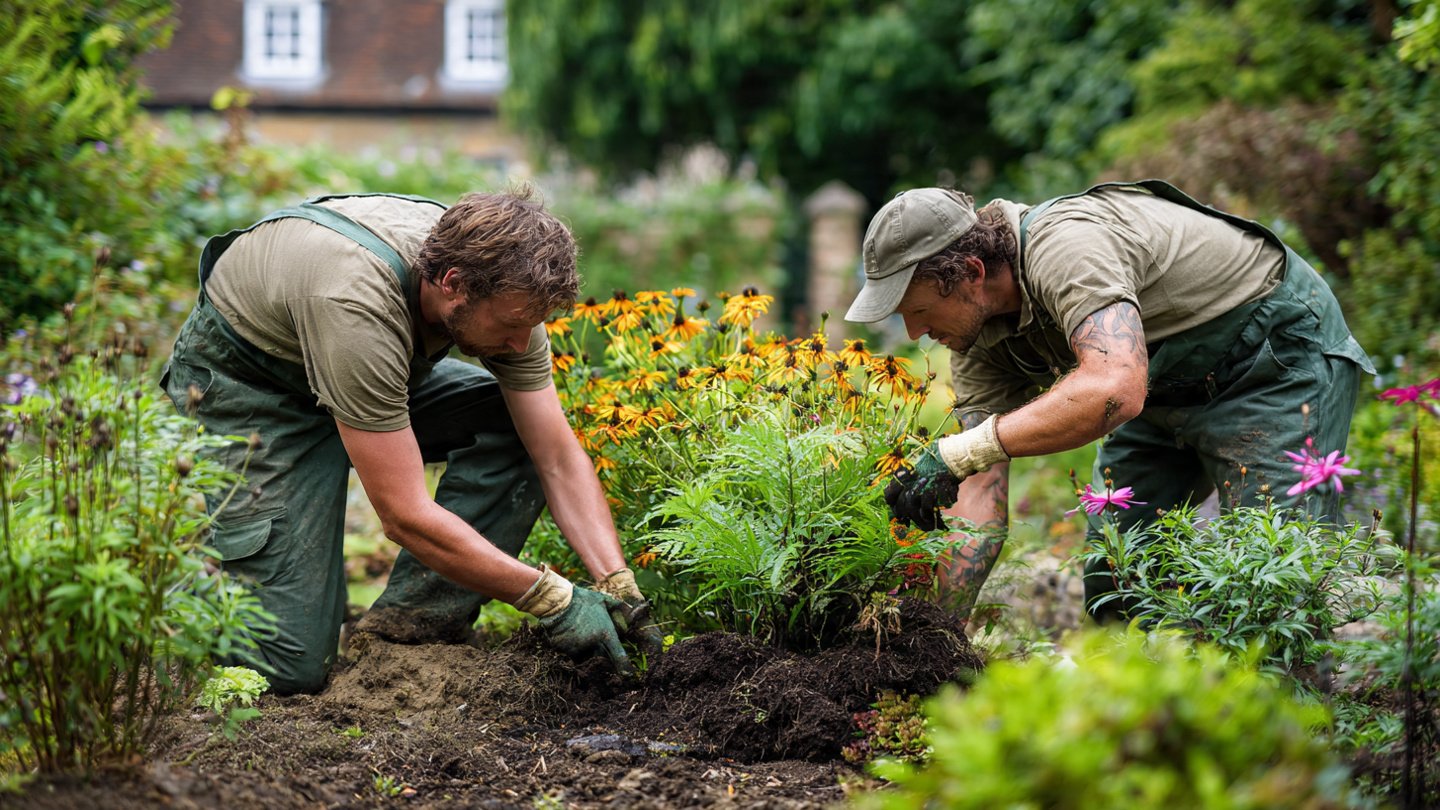

In the world of gardening, methods and practices continuously evolve as professionals seek efficient, sustainable ways to cultivate plants. Among the many techniques available, the no-dig method stands out for its simplicity and effectiveness. This article explores the reasons why professional gardeners increasingly prefer this approach and the benefits it brings to gardening.
Understanding the No Dig Method
The no-dig method, also known as no-till gardening, revolves around the principle of avoiding soil disturbance. Instead of digging, gardeners build up layers of organic materials to create beds. This approach promotes a healthier ecosystem and a more sustainable gardening practice.
Benefits of No Dig Gardening
1. Soil Health Improvement
One of the primary advantages of the no-dig method is its positive impact on soil health. Here’s why:
- Preservation of Soil Structure: Digging can disrupt the natural structure of the soil, which can lead to compaction and erosion. The no-dig method maintains this structure, allowing for better air, moisture, and nutrient retention.
- Encouragement of Microbial Life: Disturbing the soil can kill beneficial microorganisms. The no-dig method fosters a thriving community of microbes, fungi, and worms that contribute to nutrient cycling and overall soil fertility.
- Reduced Weed Growth: Healthy soil under a no-dig regime can make it harder for weeds to establish themselves. The layers of organic material act as a barrier and suppress weed seeds.
2. Time Efficiency
Professional gardeners often have demanding schedules, and time management is crucial. The no-dig method offers several time-saving benefits:
- Less Labor-Intensive: Without the need for extensive digging or plowing, gardeners can save labor hours. This is particularly advantageous for larger plots.
- Faster Planting: Gardeners can plant directly into the prepared organic layers, reducing the time spent preparing beds compared to traditional methods.
3. Sustainability
Sustainability is becoming increasingly important in gardening. The no-dig method aligns closely with eco-friendly practices:
- Reduced Soil Erosion: Minimal disturbance to the soil means less erosion, preserving valuable topsoil.
- Less Fossil Fuel Consumption: By minimizing reliance on machinery for tilling, professional gardeners decrease their carbon footprint.
- Use of Organic Materials: The method encourages the use of composts and mulches, promoting recycling, and reducing waste.
4. Better Crop Yield
For many professional gardeners, the ultimate goal is increased yields of high-quality crops. The no-dig method can contribute to this objective:
- Enhanced Nutrient Availability: Healthier soil rich in organic matter translates to improved nutrient availability for plants, which can lead to better growth.
- Robust Root Systems: The preservation of soil structure allows for more extensive root growth, which in turn supports the plants’ overall health.
5. Biodiversity Augmentation
No-dig gardening encourages a more biodiverse ecosystem in the garden. This benefit is crucial for professional gardeners who understand the importance of having a balanced environment:
- Promoting Beneficial Insects: With less soil disturbance, beneficial insects and pollinators are more likely to thrive in the garden.
- Encouraging Diverse Plant Life: The layers of organic material can support a variety of plant species, which improves biodiversity and resilience.
Implementation of the No Dig Method
Transitioning to a no-dig gardening approach may seem challenging for those accustomed to traditional methods, but the steps are straightforward:
- Start with a Layer: Begin by covering the existing soil with cardboard to suppress weeds. Then, add layers of organic matter, such as compost, leaf mulch, or straw.
- Build Up Thickness: Aim for a thickness of at least 6-12 inches. This will enrich the soil as it breaks down over time.
- Follow Up with Regular Maintenance: Add more organic material yearly, maintaining the layers to keep the workflow intact.
Challenges of No Dig Gardening
While the no-dig method has numerous advantages, it is essential to acknowledge its challenges:
- Initial Setup Costs: Creating a no-dig garden requires initial investment in organic materials, which could be significant depending on the space.
- Patience Required: Results may not be immediate. It takes time for the soil structure to improve and produce optimal yields.
Conclusion
Professional gardeners prefer the no-dig method for good reason. Its benefits—ranging from improved soil health and time efficiency to sustainability and enhanced crop yields—make it an attractive choice. With careful planning and maintenance, gardeners can enjoy a productive and eco-friendly gardening experience. As we continue to face environmental challenges, adopting methods like no-dig gardening may be pivotal in creating sustainable food systems for future generations.
FAQs
Q1: Can I start no-dig gardening in a small space?
A1: Absolutely! The no-dig method is flexible and can be adapted to small gardens, balconies, or urban settings. You can build raised beds or use containers to apply the no-dig technique effectively.
Q2: How often should I add organic matter to my no-dig garden?
A2: It’s a good practice to add organic materials yearly, especially during the growing season. This helps replenish nutrients and maintain the thickness of your layers.
Q3: Is the no-dig method suitable for all soil types?
A3: Yes, the no-dig method can be applied to most soil types. However, if you’re working with compacted or poor soils, you may need to be more diligent about layering and organic matter application initially.
Q4: Will I still need to weed my no-dig garden?
A4: While the no-dig method significantly reduces weed growth, some weeding may still be necessary. Regular maintenance and thick layers of organic matter will help suppress most weeds.
Q5: How long does it take to see results with no-dig gardening?
A5: It may take several seasons to see significant improvements in soil health and crop yield. Patience is key, as the ecosystem develops over time.