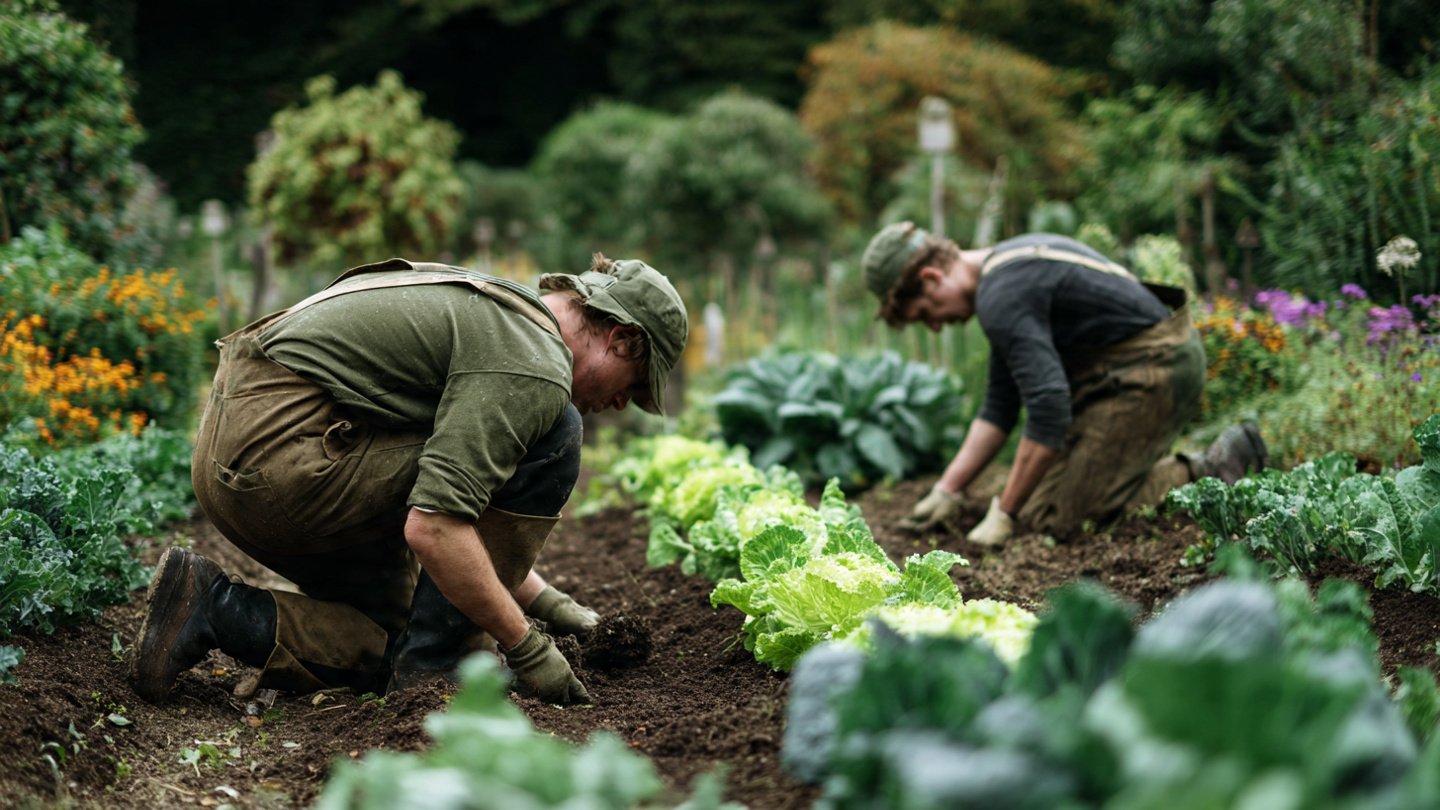

The no dig method, often hailed by professional gardeners and sustainable agriculture advocates, has gained significant popularity over the years. This gardening technique not only enhances soil health but also promotes a more sustainable approach to gardening. Understanding why professionals lean towards this method can provide insights into its numerous benefits and applications.
Understanding No Dig Gardening
No dig gardening, as the name implies, minimizes soil disturbance. Also known as “no till” gardening, this method involves layering organic materials directly on top of the soil rather than tilling or turning the soil. This practice maintains the structure and health of the soil ecosystem, which is vital for plant growth.
Soil Structure Preservation
Professional gardeners recognize that soil is a living entity, home to a myriad of organisms including earthworms, microbes, and fungi. When soil is disturbed by digging or tilling, these organisms can be damaged or destroyed. The no dig method preserves this critical ecosystem, allowing it to thrive and support healthy plant growth.
Improved Soil Health
By avoiding disturbance, the no dig technique promotes the natural layering of soil, which enhances drainage and nutrient availability. Organic matter, such as compost or mulch, is added to the surface. As it decomposes, it enriches the soil and encourages the growth of beneficial microorganisms. This leads to improved soil fertility over time, making it an effective choice for professional gardeners aiming for long-term results.
Benefits of No Dig Gardening
The advantages of no dig gardening extend beyond soil health. Here are some compelling reasons why professional gardeners swear by this method:
1. Reduced Weeds
One of the foremost challenges for gardeners is managing weeds. The no dig method helps suppress weeds by covering the soil with organic matter. This layer blocks sunlight, inhibiting weed seed germination. Consequently, professionals spend less time weeding, which translates to increased productivity.
2. Enhanced Moisture Retention
The organic layer in no dig gardening acts as a sponge, helping retain moisture in the soil. This is particularly beneficial in regions prone to drought and allows professional gardeners to minimize irrigation needs, ultimately reducing water usage and promoting sustainability.
3. Climate Resilience
No dig gardens are more resilient to climate fluctuations. The undisturbed soil can absorb rainfall more effectively, reducing the risk of erosion and runoff. This characteristic is especially valuable for professionals in areas susceptible to extreme weather conditions, allowing them to maintain healthy crops year-round.
Getting Started with No Dig Gardening
For professionals considering the no dig method, the transition can be straightforward. Here’s a step-by-step guide:
Step 1: Choose the Right Location
Identifying a suitable location is crucial. It should receive adequate sunlight and have access to water. The area can be prepared by removing weeds and debris without intense digging.
Step 2: Layering Organic Materials
Begin layering various organic materials. Start with cardboard or newspaper as a weed barrier, followed by a layer of compost, straw, or wood chips. This creates a rich, nutrient-dense environment for plants while suppressing unwanted growth.
Step 3: Plant Selection
Choose plants that thrive in the local climate and conditions. Native plants are often ideal, as they are adapted to local soil and weather, promoting biodiversity and sustainability.
Step 4: Maintenance
Minimal maintenance is required once established. Regularly add organic matter to the surface as it decomposes, and monitor for pests. Weeding and watering are simplified due to the improved soil structure and moisture retention.
Challenges of No Dig Gardening
While the benefits of no dig gardening are substantial, there are challenges to consider:
Soil Compression
Over time, soil can become compacted, especially in areas with heavy traffic. This minimizes the air pockets essential for root growth. Professional gardeners should be mindful of foot traffic and may designate pathways to protect soil integrity.
Pest Management
Though the no dig method naturally reduces some pests, it may also result in a buildup of others. Organic pest management strategies may need to be employed to ensure a healthy garden ecosystem.
The Future of Gardening
As environmental concerns become more pressing, the no dig method aligns with sustainable practices that promote ecological balance. Professional gardeners are increasingly adopting this technique not just for the immediate benefits but also for its long-term implications for agriculture and biodiversity.
Conclusion
In conclusion, the no dig method is advantageous for professional gardeners seeking to enhance soil health, reduce weeds, and promote sustainable practices. By preserving the natural soil ecosystem, this technique not only leads to improved plant growth but also contributes to a healthier environment. As gardening evolves, this method stands out as a practical, effective, and environmentally friendly approach to cultivating green spaces.
Frequently Asked Questions
1. Is no dig gardening suitable for all plants?
While no dig gardening works well for many plants, some crops may require specific soil conditions. It’s essential to research plant needs to ensure compatibility with this method.
2. How often do I need to add organic matter?
Adding organic matter annually or biannually is usually sufficient. The decomposition process enriches the soil, making it resilient and fertile.
3. Can I start a no dig garden in poor soil?
Yes, no dig gardening can improve poor soil conditions over time. Layering organic materials can gradually enhance soil structure and fertility.
4. Do I need special tools for no dig gardening?
No special tools are required beyond basic gardening equipment. Shovels or tillers can be avoided in favor of hand tools for planting and maintenance.
5. How does no dig gardening help the environment?
No dig gardening supports a healthy ecosystem, reduces the need for chemicals, and conserves water. It promotes biodiversity, leading to a more balanced and sustainable environment.