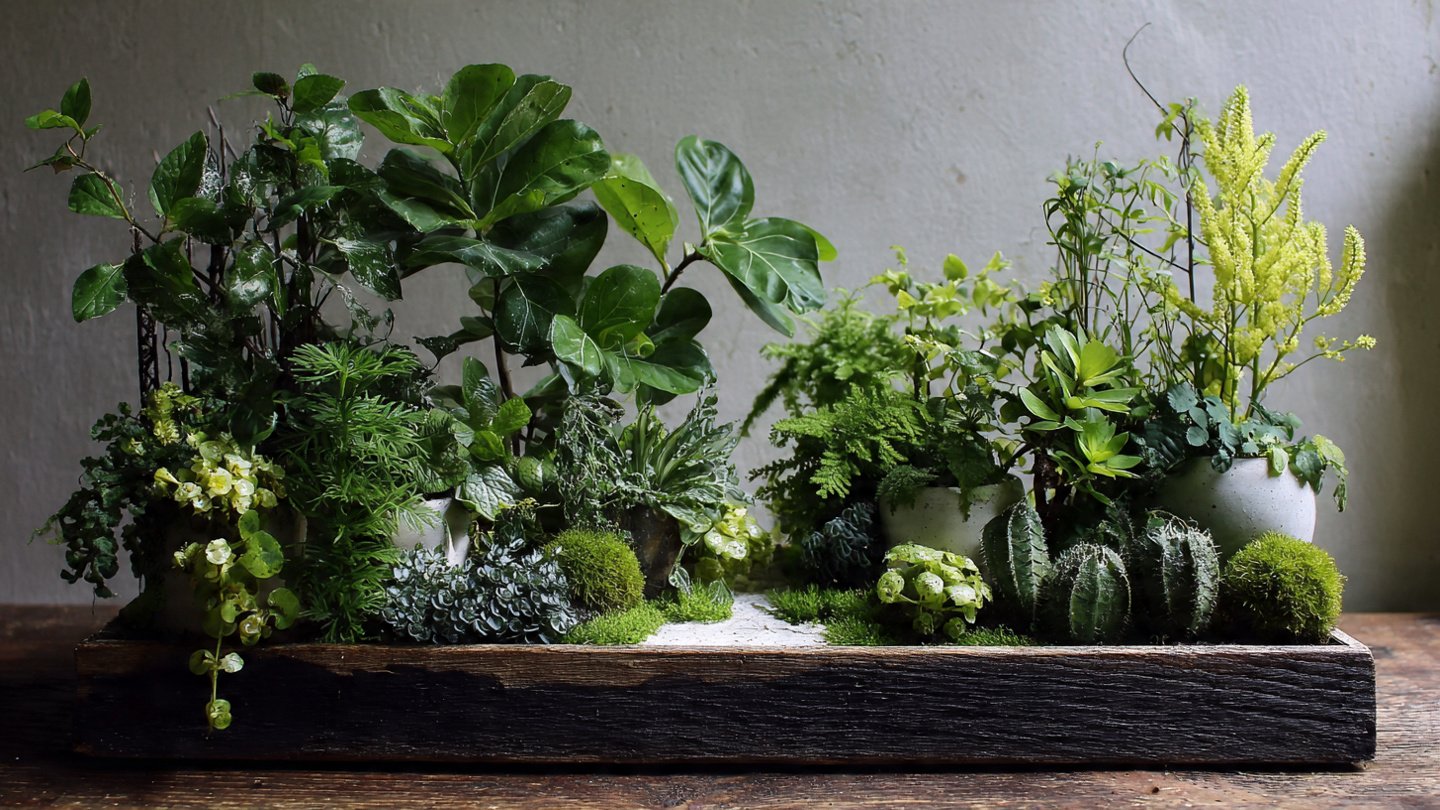

Creating a garden that tantalizes the senses, particularly through fragrance, is a dream for many garden enthusiasts. While seeds and transplants are traditional methods of establishing a garden, cuttings present a unique opportunity to cultivate plants that may not be readily available in nurseries. In this article, we’ll explore the concept of creating a fragrant garden solely from cuttings, discussing key plant choices, propagation methods, and tips for success.
The Allure of Fragrance in Gardening
Fragrance in a garden does more than please the nose; it can invoke memories, attract pollinators, and create a welcoming environment. Many gardeners use fragrant plants to craft spaces that are not only beautiful visually but also tantalizing olfactorily. The aroma of fresh herbs, flowering shrubs, and blooming perennials can transform an ordinary garden into a sensory paradise.
Choosing the Right Plants
When designing a fragrant garden, plant selection is paramount. Fortunately, many aromatic plants can be propagated through cuttings. Below are some popular options:
Herbs
- Mint: Known for its invigorating scent, mint is easy to grow from cuttings. It thrives in various conditions, making it versatile for any garden.
- Lavender: This calming herb is not only fragrant but beautiful. It’s a favorite for drying and potpourri.
- Rosemary: With its woody scent, rosemary can thrive in sunny locations and is perfect for culinary uses.
Flowering Plants
- Jasmine: Known for its sweet, heady fragrance, jasmine is a vigorous grower when propagated from cuttings.
- Gardenias: These plants offer a heavenly scent and stunning visual appeal. They can be tricky, requiring specific conditions.
- Roses: Classic and beloved, many varieties of roses can be propagated through cuttings and provide delightful scent profiles.
Shrubs and Vines
- Honeysuckle: This climbing plant produces a sweet smell and often attracts hummingbirds.
- Mock Orange: Named for its orange blossom-like aroma, it’s a shrub that brings both beauty and fragrance.
- Sweet Pea: Known for its delightful scent, sweet peas are perfect for cuttings and can create a fragrant focal point.
Propagation Methods for Cuttings
Once you have selected your aromatic plants, the next step is propagation. Depending on the type of plant, there are different methods for taking cuttings.
Types of Cuttings
There are primarily three types of cuttings you can take: stem cuttings, leaf cuttings, and root cuttings. Stem cuttings are the most common method for herbs and flowering plants.
Taking Stem Cuttings
- Select a healthy plant and find a non-flowering stem.
- Using sterilized scissors, cut a 4-6 inch section from the stem.
- Remove the lower leaves, leaving two or three sets at the top.
- Place the cutting in water or directly in soil to encourage rooting.
Using Rooting Hormones
For some plants, especially woody varieties, using a rooting hormone can enhance the chances of successful rooting. Simply dip the cut end into the powder before planting it in soil.
Water vs. Soil Propagation
Some plants root better in water, while others thrive in soil. It’s imperative to research the specific needs of each plant to maximize the success of your fragrant garden.
Creating Your Garden
After your cuttings have established roots, it’s time to plant them in your garden. Here are some tips for ensuring a thriving fragrant garden:
Location
Choose areas in your garden that receive adequate sunlight. Most fragrant plants prefer full sun, so consider the orientation of your garden or the position of tall structures that may provide shade.
Soil Quality
Good drainage is crucial for most fragrant plants. Consider mixing organic materials or well-rotted compost into the soil to enhance fertility and drainage.
Watering
Newly planted cuttings will require consistent moisture, especially in their first few weeks. However, be cautious not to overwater, as this can lead to root rot.
Benefits of Establishing a Fragrant Garden from Cuttings
Creating a fragrant garden from cuttings presents unique advantages:
- Cost-Effective: Propagating plants from cuttings can significantly reduce the costs associated with purchasing new plants.
- Customization: You have the freedom to select plants that suit your preferences and create a signature scent profile for your garden.
- Environmental Impact: Propagating your plants can contribute to sustainability, as you can share cuttings with friends and family instead of relying on commercial nurseries.
Challenges to Consider
While cultivating a fragrant garden from cuttings is both exciting and rewarding, it’s important to be aware of potential challenges:
- Rooting Difficulty: Not all plants propagate easily from cuttings. Some may require special conditions or methods, which can be disheartening if you face failures.
- Time Investment: Growing plants from cuttings can take longer than starting from seeds or buying established plants.
- Space Requirements: You’ll need adequate space for your cuttings to root properly before transferring them to their final location.
Conclusion
Yes, you can create a fragrant garden using cuttings alone! With thoughtful selection of plants, proper propagation techniques, and diligent care, your garden can become a fragrant haven. The process allows for a unique opportunity to foster plants that might be hard to find while helping to cultivate a personal connection with your outdoor space. Whether you desire a soothing aroma or an invigorating scent, establishing a fragrant garden from cuttings is an adventure that can lead to a thriving and aromatic oasis in your own backyard.
FAQs
Can any plant be propagated from cuttings?
Not all plants can be propagated from cuttings. While many herbs and flowering plants thrive this way, some varieties may require different propagation techniques such as seeds or division.
How long does it take for cuttings to root?
The time it takes for cuttings to root varies by species, but generally, it can take anywhere from a few days to several weeks for roots to establish.
What should I do if my cuttings don’t root?
If your cuttings fail to root, review your propagation method. Ensure the cuttings are taken from healthy plants and that you’re using the appropriate conditions for each specific type of plant.
How can I ensure my plants remain fragrant?
Regular care, such as proper watering, fertilization, and pruning, can help maintain the fragrance of your plants. Ensure they are planted in suitable conditions to thrive.