
Paragraph 1: Introduction to Malabar Spinach
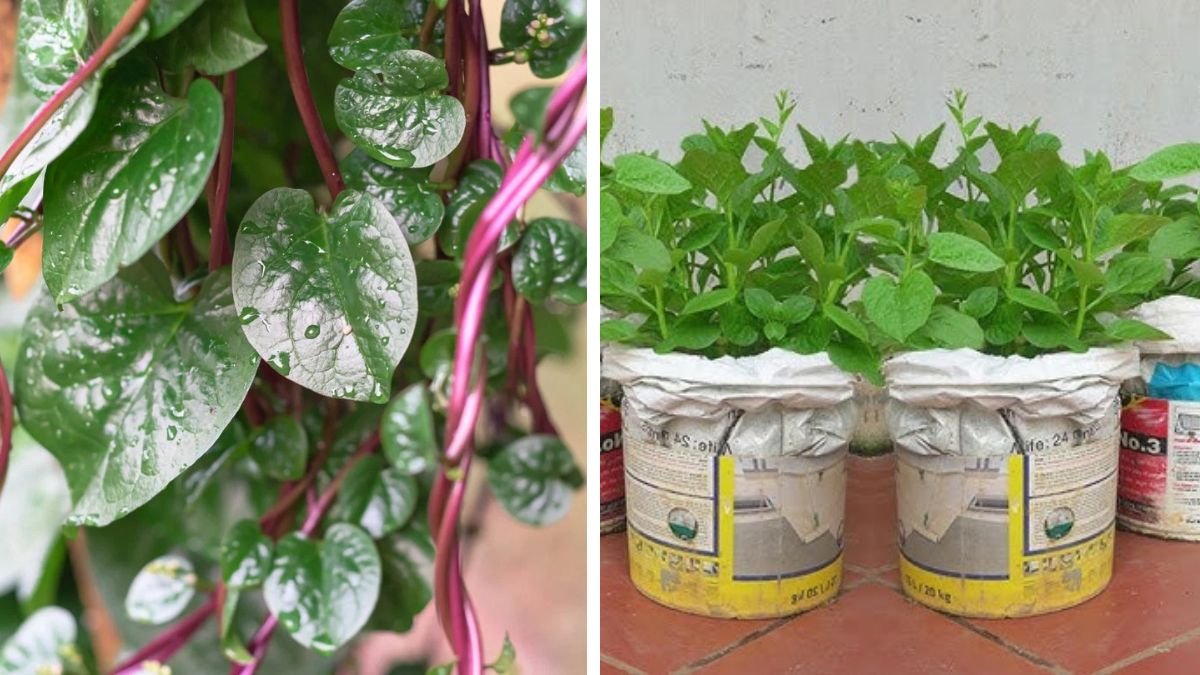
Malabar spinach is a unique leafy vegetable that surprises many gardeners with its ability to grow fast even when watering is minimal. Unlike common spinach, this plant thrives in warm climates and shows remarkable drought tolerance. Many home gardeners notice that Malabar spinach continues growing vigorously even when other leafy greens struggle. This unusual behavior makes it ideal for busy gardeners and water-scarce areas. The plant has thick, fleshy leaves and strong stems that store moisture. Understanding why it grows so well without frequent watering helps gardeners use it wisely. It is perfect for terraces, balconies, and backyard gardens. Malabar spinach proves that not all leafy greens need constant care.
Paragraph 2: What Makes Malabar Spinach Different
Malabar spinach is botanically different from traditional spinach. It belongs to a tropical vine family rather than cool-season leafy greens. This difference gives it unique growth habits. The plant naturally evolved to survive hot and humid conditions. Its leaves are thick and slightly waxy, reducing water loss. The stems are succulent, storing moisture for later use. These features allow the plant to tolerate dry spells. Its deep root system also helps absorb moisture from lower soil layers. This natural adaptation explains its fast growth with minimal watering.
Paragraph 3: Natural Water Storage in Leaves and Stems
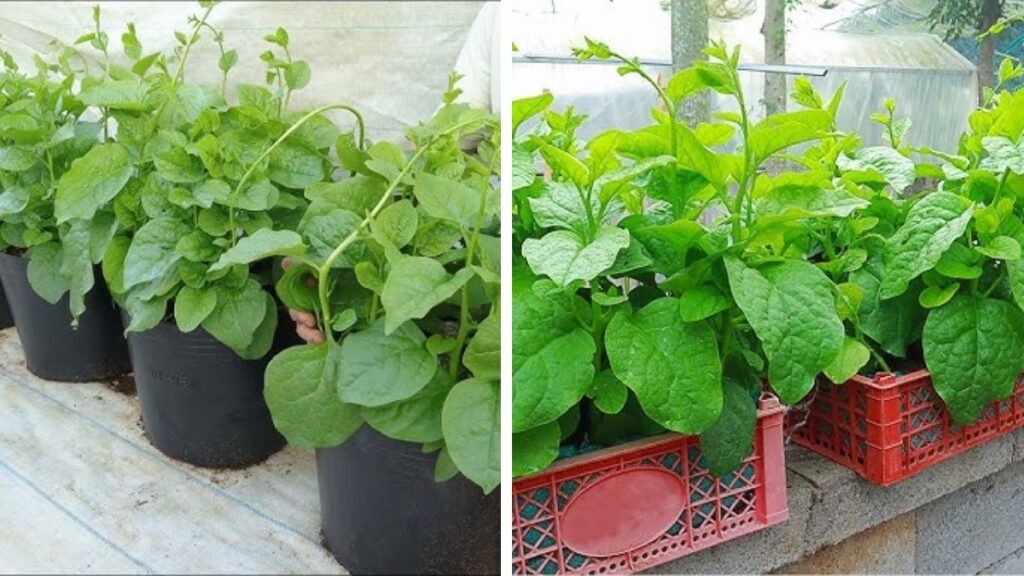
One major reason Malabar spinach grows without frequent watering is its internal water storage. The leaves act like small water reservoirs. When water is available, the plant absorbs and stores it efficiently. During dry periods, it slowly uses stored moisture. The thick stems also play a role in moisture retention. This ability reduces stress during hot weather. Unlike thin-leaf plants, Malabar spinach does not wilt easily. This makes it ideal for summer gardening. Water storage is the key to its resilience.
Paragraph 4: Deep and Efficient Root System
Malabar spinach develops a strong and deep root system. These roots explore deeper soil layers where moisture remains longer. Even when surface soil dries out, roots continue absorbing water. This allows consistent nutrient uptake. Strong roots also anchor the fast-growing vine. Healthy root development reduces dependence on daily watering. Gardeners often underestimate root power. This underground strength explains above-ground growth. Deep roots are a major secret behind its survival.
Paragraph 5: Heat-Loving Growth Habit
Malabar spinach thrives in heat rather than suffering from it. Warm temperatures accelerate its growth rate. While many greens bolt or wilt, Malabar spinach grows faster. Heat increases its metabolic activity. This plant is designed for tropical summers. Reduced watering does not slow it down significantly. Heat stress does not affect it negatively. This makes it ideal for regions with long summers. Heat tolerance plays a major role in low-maintenance growth.
Paragraph 6: Soil Type and Moisture Retention
Even though Malabar spinach tolerates less watering, soil still matters. Loose, organic-rich soil helps retain moisture longer. Mulching further reduces evaporation. The plant benefits from soil that drains well but does not dry quickly. Compost improves water-holding capacity. Proper soil preparation reduces watering frequency. Soil quality works together with plant nature. Good soil enhances drought tolerance. This combination ensures fast growth.
Paragraph 7: Role of Mulching in Water Saving
Mulching plays an important role in growing Malabar spinach with minimal watering. Organic mulch like dry leaves or straw covers soil surface. This reduces water evaporation. Mulch also keeps soil cool during hot days. It improves soil structure over time. Weed growth is reduced, saving water competition. With mulching, watering frequency drops significantly. This simple technique supports fast growth. Mulching works as a natural water saver.
Paragraph 8: Climbing Nature and Air Circulation
Malabar spinach is a climbing vine. Vertical growth improves air circulation around leaves. Good airflow reduces heat stress. Leaves dry slowly but evenly. This balanced environment reduces water demand. Vertical growth also exposes leaves to light efficiently. Less surface heat buildup occurs. Vines remain healthy even in dry weather. Climbing habit indirectly supports low watering needs.
Paragraph 9: Minimal Transpiration Loss
Transpiration is water loss from leaves. Malabar spinach has lower transpiration compared to thin-leaf greens. Its leaf surface reduces moisture escape. Waxy coating helps retain internal water. This efficient water management keeps leaves fresh. Less water loss means less watering needed. This feature is crucial in hot climates. The plant naturally conserves water. Reduced transpiration supports continuous growth.
Paragraph 10: Watering Frequency Explained
Malabar spinach does not require daily watering. Deep watering once or twice a week is often enough. Overwatering can even slow growth. The plant prefers slightly moist, not soggy soil. Allowing soil to dry slightly encourages root expansion. Controlled watering strengthens plant structure. Excess water reduces oxygen in soil. Balanced watering improves plant health. Understanding frequency prevents common mistakes.
Paragraph 11: Table – Why Malabar Spinach Needs Less Water
Growth feature and explanation
Leaf structure – Thick leaves store moisture
Stem type – Succulent stems retain water
Root system – Deep roots access hidden moisture
Heat tolerance – Grows faster in hot climate
Transpiration rate – Lower water loss from leaves
Growth habit – Vertical growth reduces stress
Paragraph 12: Organic Nutrition and Water Efficiency
Organic fertilizers improve water efficiency. Compost enhances soil moisture retention. Vermicompost improves root health. Healthy plants use water efficiently. Chemical fertilizers may increase water demand. Organic feeding supports slow, steady growth. Strong roots absorb nutrients better. Balanced nutrition reduces stress. Organic care complements low watering.
Paragraph 13: Container vs Ground Growing
Malabar spinach grows well in both containers and ground. Containers dry faster but plant still adapts. Using larger pots improves moisture retention. Ground-grown plants access deeper moisture. Both methods work with less watering. Containers benefit from mulching. Ground plants benefit from natural soil depth. Choose based on space. Growth remains fast in both.
Paragraph 14: Seasonal Growth Pattern
Malabar spinach grows fastest in summer. Rainy season boosts growth further. In mild winters, growth slows slightly. The plant adapts to seasonal changes. Reduced watering works best in warm months. During cooler periods, moderate watering helps. Seasonal awareness improves results. Growth speed depends on temperature. Understanding seasons improves success.
Paragraph 15: Harvesting Without Stress
Frequent harvesting encourages new growth. Cutting leaves does not stress the plant. Regular harvest improves air circulation. Harvesting does not increase water demand. Leaves regrow quickly. Proper cutting maintains plant shape. Stress-free harvesting supports fast growth. Harvest early morning for freshness. Gentle harvesting benefits plant health.
Paragraph 16: Common Mistakes to Avoid
Overwatering is a common mistake. Waterlogging damages roots. Using compact soil limits growth. Ignoring mulch increases water loss. Growing in shade slows growth. Overcrowding reduces airflow. Excess fertilizer increases water need. Avoiding these mistakes ensures success. Simple care gives best results.
Paragraph 17: Why It’s Perfect for Busy Gardeners
Malabar spinach suits busy lifestyles. It needs minimal daily care. Missed watering does not harm it. Growth remains consistent. It suits beginners well. Low maintenance makes it stress-free. Reliable harvest is guaranteed. It fits urban gardening perfectly. Busy gardeners benefit greatly.
Paragraph 18: Sustainability and Water Conservation
Growing Malabar spinach saves water. It supports sustainable gardening. Reduced water use protects resources. Ideal for drought-prone areas. Home gardening reduces market dependency. Sustainable crops matter today. Malabar spinach fits climate-smart gardening. Every plant saves water. Sustainability starts at home.
Paragraph 19: Nutritional Benefits of Malabar Spinach
Malabar spinach is rich in vitamins. Leaves contain iron and calcium. It supports digestion. Water-efficient growth does not reduce nutrition. Fresh leaves taste mild. Regular consumption improves health. Homegrown greens are chemical-free. Nutrition and sustainability combine here. Healthy eating becomes easy.
Paragraph 20: Conclusion
Malabar spinach proves that fast growth does not always require frequent watering. Its natural structure, deep roots, and heat tolerance make it unique. With proper soil and minimal care, it grows abundantly. This plant is ideal for modern, water-saving gardens. Beginners and busy gardeners benefit the most. Understanding why it grows fast builds confidence. Malabar spinach is truly a low-effort, high-reward plant. Grow it once and experience the difference.