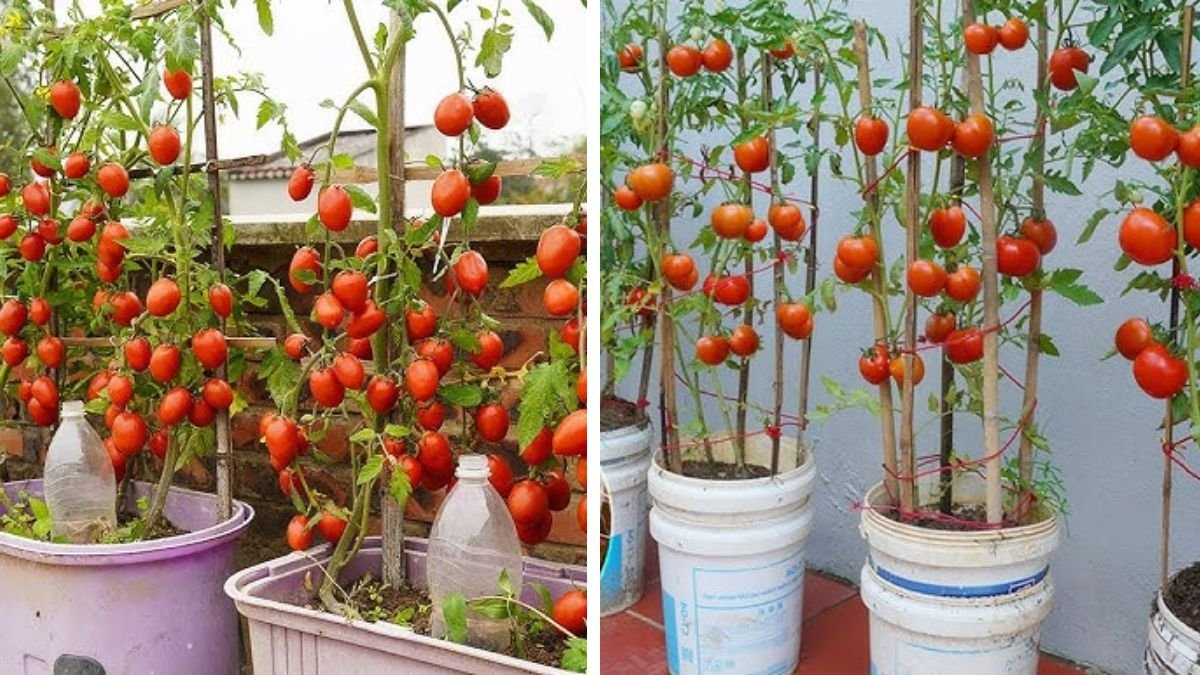

Introduction to Future Tomato Growing
Traditional tomato farming wastes space, water, and nutrients. Modern methods focus on efficiency and productivity. Future tomato growing techniques use vertical space and targeted feeding. These methods produce multiple times more yield. They are suitable for urban and rural growers. Technology meets nature in this approach. Anyone can adopt these techniques at home. The future of tomato gardening is here.
Why Traditional Tomato Growing Falls Short
Ground planting limits root oxygen. Nutrients leach away easily. Pests attack from soil. Space usage is inefficient. Water consumption is high. Yield per plant remains average. These limitations demand innovation.
Understanding High-Yield Tomato Systems
Future methods focus on controlled nutrition. Roots receive direct feeding. Water is used efficiently. Growth is monitored easily. Plants grow faster and stronger. Productivity increases significantly.
Vertical Tomato Growing Concept
Vertical growing uses height instead of land. Plants are trained upward. More plants fit in small areas. Sunlight exposure improves. Airflow increases naturally. Disease pressure reduces.
Soilless Growing Advantages
Soilless systems eliminate soil diseases. Roots absorb nutrients directly. Growth speed increases. Clean produce is harvested. Maintenance becomes easier.
Container-Based Future Farming
Buckets and grow bags work perfectly. Containers allow mobility. Root zones remain controlled. Feeding becomes precise. Yield increases dramatically.
Smart Nutrient Management
Plants receive nutrients based on growth stage. Overfeeding is avoided. Balanced nutrition maximizes output. Plants grow uniformly.
Water Efficiency Techniques
Drip feeding minimizes waste. Water reaches roots directly. Evaporation losses reduce. Sustainable water use is achieved.
Improved Root Oxygenation
Roots receive constant oxygen. This accelerates growth. Strong roots support heavy fruit loads. Plant stability improves.
Pruning and Training Systems
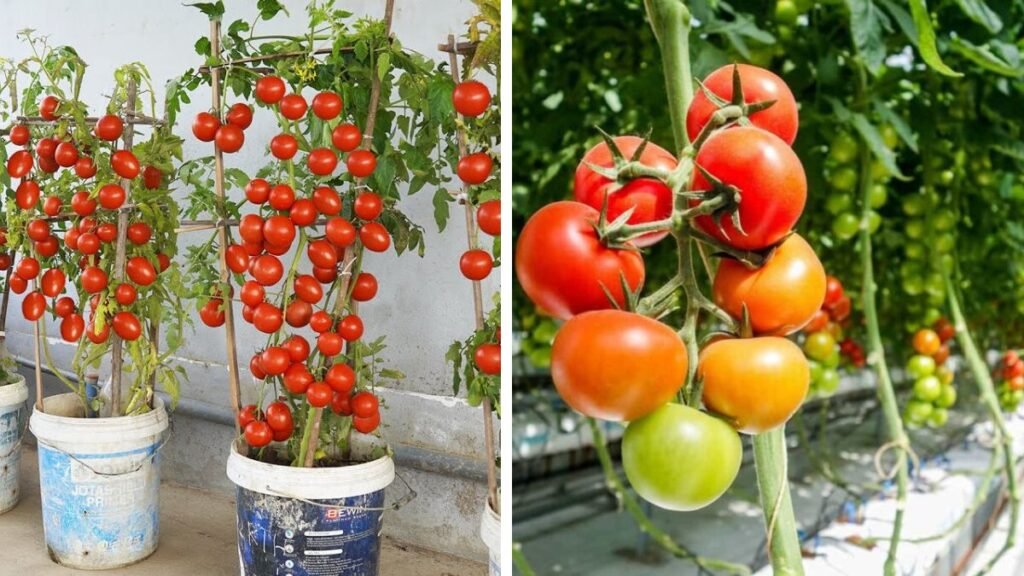
Pruning directs energy to fruits. Training controls plant shape. Light penetration improves. Harvest becomes easier.
High-Density Planting
Plants are placed closer vertically. Space efficiency improves. Yield per square foot increases significantly.
Pest and Disease Control
Clean systems reduce pests. No soil insects. Diseases spread less. Organic protection works better.
Harvesting Efficiency
Fruits grow uniformly. Harvesting becomes systematic. Productivity increases.
Yield Comparison Table
| Method | Yield per Plant | Space Used |
|---|---|---|
| Traditional | Medium | High |
| Future method | Very high | Low |
Energy and Time Savings
Less manual labor required. Maintenance is efficient. Time savings are significant.
Urban Gardening Revolution
Balconies become farms. Rooftops produce food. Cities grow vegetables locally.
Environmental Sustainability
Water use reduces. Chemicals are avoided. Carbon footprint lowers. Future-ready farming.
Cost vs Return Analysis
Initial setup is affordable. Returns are higher. Long-term profit increases.
Adapting the Method at Home
Beginners can start small. Gradual expansion is possible. Easy learning curve.
Final Conclusion
The future method of growing tomatoes produces many times more yield by using space, nutrients, and water wisely. This innovative approach transforms home gardening into high-production farming. It proves that smart techniques can outperform traditional methods easily.