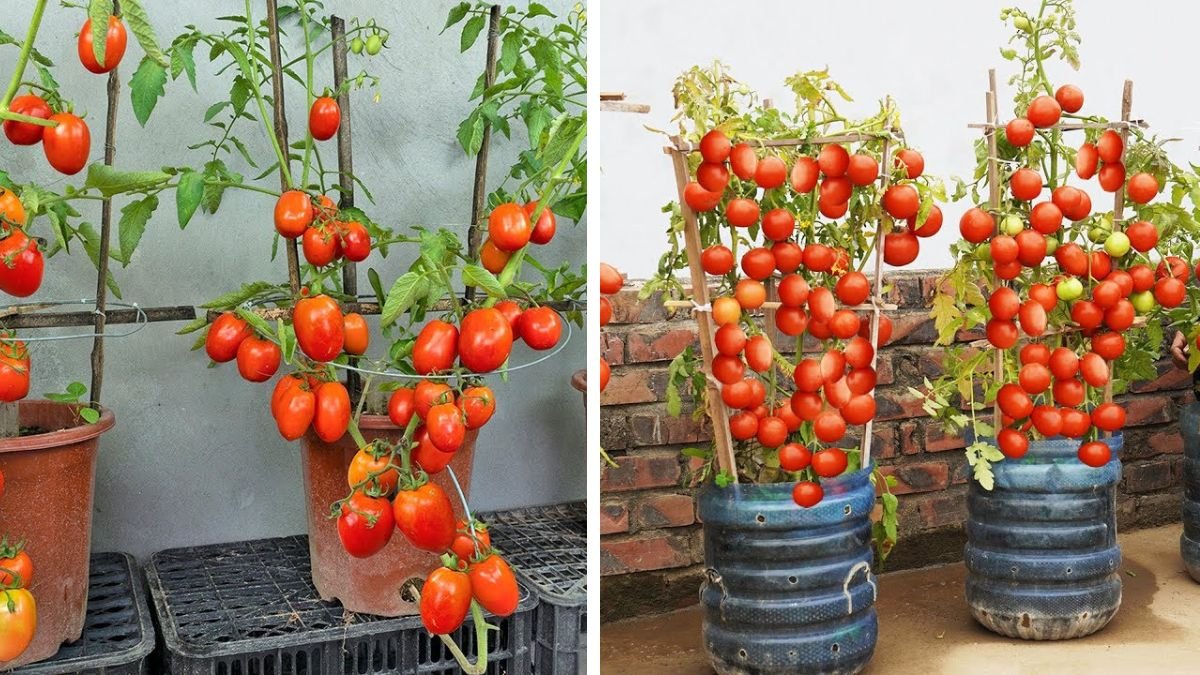

Introduction to Banana Peel Tomato Gardening
Tomatoes are one of the most widely grown vegetables in home gardens. Many gardeners struggle with weak plants, low flowering, and poor fruit size. Banana peels contain powerful nutrients that directly improve tomato growth. This simple kitchen waste can transform tomato plants naturally. Using banana peels reduces the need for chemical fertilizers. It also improves soil health over time. This secret method has been used quietly by experienced gardeners. Now it is finally being shared.
Why Banana Peels Are a Natural Superfood for Tomatoes
Banana peels are rich in potassium, phosphorus, and calcium. Potassium improves flowering and fruit development. Phosphorus strengthens roots and stems. Calcium prevents blossom end rot. Banana peels decompose slowly and release nutrients gradually. This provides long-lasting feeding. Tomatoes respond quickly to this organic nutrition. The result is healthier plants and heavier fruit clusters.
Understanding Tomato Nutrient Requirements
Tomatoes require balanced nutrition throughout their growth cycle. Early stages need nitrogen for leaf development. Flowering stages demand potassium and phosphorus. Fruiting requires calcium and magnesium. Banana peels perfectly match these needs. They supplement soil naturally. Proper nutrient balance prevents leaf curl and flower drop. Understanding this helps maximize harvest.
Preparing Banana Peels for Garden Use
Fresh banana peels should be cleaned before use. Cut them into small pieces for faster breakdown. Drying peels concentrates nutrients. Powdered banana peel is easy to apply. Composting peels improves soil texture. Different preparation methods suit different growing styles. Preparation ensures nutrients are released efficiently.
Direct Soil Application Method
Bury chopped banana peels near tomato roots. Do not place directly touching the stem. Soil microbes break down the peels slowly. Nutrients reach roots gradually. This method is best for in-ground planting. It improves long-term soil fertility. Plants remain nourished for weeks.
Banana Peel Liquid Fertilizer
Soak banana peels in water for twenty-four hours. Strain the liquid before use. This banana water feeds plants quickly. It is ideal during flowering. Liquid feeding boosts immediate nutrient uptake. Use once every two weeks. This method is perfect for container tomatoes.
Using Banana Peels in Compost
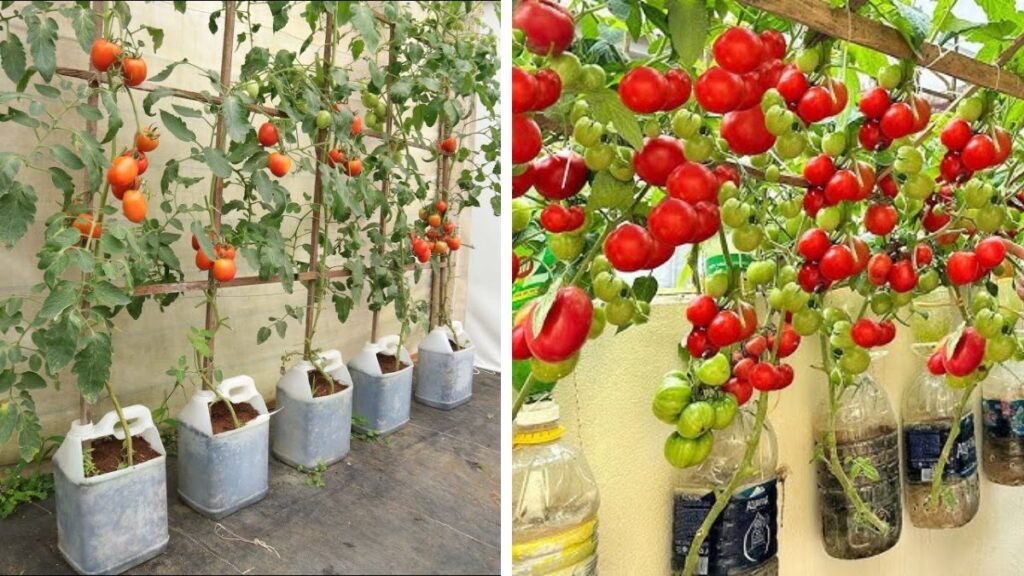
Banana peels accelerate compost activity. They add potassium richness. Compost improves soil structure. Tomatoes grown in compost-rich soil show stronger growth. Compost also increases beneficial microbes. This creates a living soil system. Healthy soil produces healthy plants.
Container Tomato Gardening with Banana Peels
Container tomatoes often lack nutrients. Banana peels solve this naturally. They enrich potting mix gradually. Containers dry faster, so nutrients are crucial. Banana peel feeding prevents nutrient deficiency. It also improves fruit size. Containers become productive gardens.
Preventing Blossom End Rot Naturally
Blossom end rot is caused by calcium deficiency. Banana peels contain usable calcium. Regular peel feeding prevents this problem. Calcium strengthens fruit cell walls. Fruits develop evenly without black spots. This reduces crop loss significantly.
Improving Flowering and Fruit Set
Potassium from banana peels increases flowering. Flowers stay longer on plants. Fruit set improves dramatically. More flowers turn into fruits. This directly increases yield. Plants look healthier and fuller.
Pest Resistance Benefits
Strong plants resist pests better. Banana peel nutrients improve plant immunity. Healthy leaves are less attractive to insects. Soil microbes deter harmful pests. Chemical sprays become unnecessary. Organic balance is maintained.
Watering and Banana Peel Synergy
Water helps nutrients dissolve and move. Proper watering activates banana peel nutrients. Overwatering should be avoided. Balanced moisture improves absorption. This synergy ensures steady feeding.
Growth Stage Feeding Schedule
Use banana peels during flowering and fruiting stages. Early stages require less potassium. Timed feeding increases effectiveness. Overfeeding should be avoided. Balance is the key to success.
Growth Comparison Table
| Aspect | Without Banana Peels | With Banana Peels |
|---|---|---|
| Flower count | Low | High |
| Fruit size | Medium | Large |
| Blossom end rot | Common | Rare |
| Yield | Average | Heavy |
Common Mistakes to Avoid
Do not use moldy peels. Avoid placing peels on soil surface. Overuse can attract insects. Always bury peels properly. Balanced application ensures success.
Eco-Friendly Gardening Benefits
Recycling kitchen waste reduces landfill. No chemical fertilizer required. Soil health improves naturally. This supports sustainable gardening. Environmentally responsible method.
Cost Savings for Home Gardeners
No fertilizer purchase needed. Banana peels are free. Long-term savings are significant. Ideal for budget gardeners.
Best Tomato Varieties for This Method
Cherry tomatoes respond quickly. Hybrid varieties show strong results. Heirloom tomatoes benefit greatly. Choose healthy seedlings.
Scaling the Method for Large Gardens
Peels can be composted in bulk. Liquid fertilizer can be prepared in batches. This method works for farms as well. Easy to scale.
Final Conclusion
Growing tomatoes with banana peels is a powerful natural secret. It improves soil, boosts flowering, and increases fruit size. This organic method is simple, cost-effective, and eco-friendly. Anyone can achieve heavy tomato harvests using kitchen waste.