
Introduction: No Garden, No Problem for Tomatoes
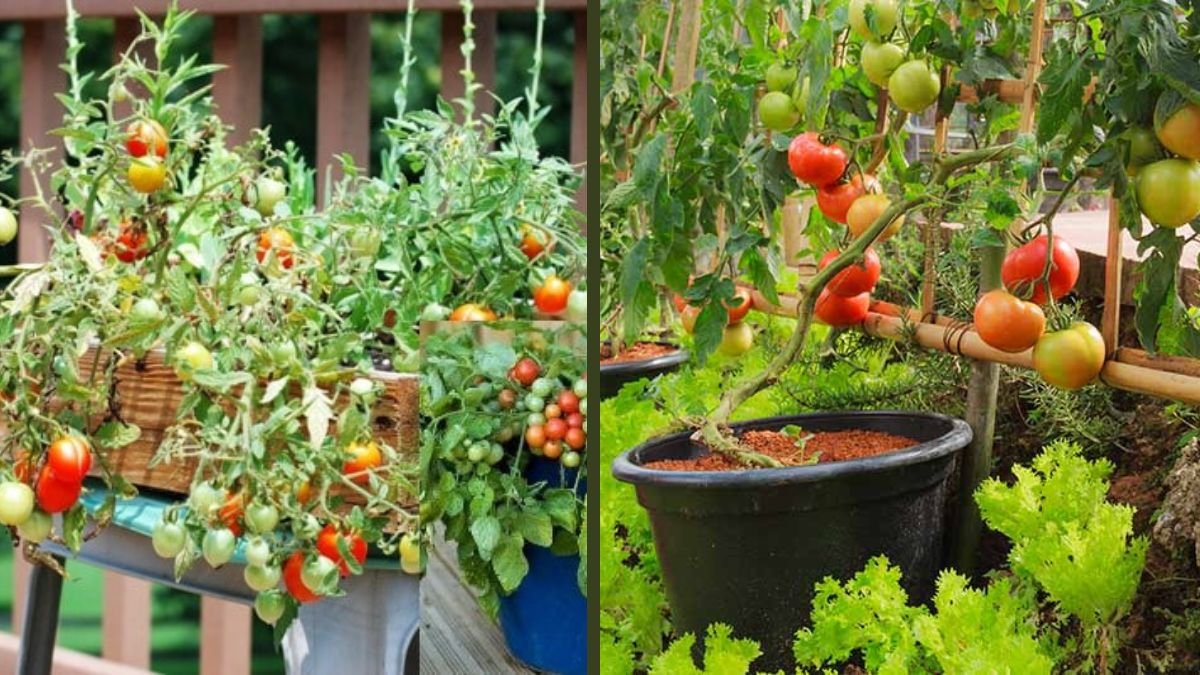
Many people believe tomatoes need large garden beds to grow. In reality, tomatoes thrive extremely well in containers. With the right method, you can grow tomatoes on balconies, rooftops, or patios. Container gardening allows complete control over soil and nutrients. Tomatoes respond well to focused care. Even small spaces can produce heavy harvests. This guide explains a simple, proven method to grow tomatoes without a garden. Anyone can enjoy fresh homegrown tomatoes easily.
Why Container Tomato Growing Is So Effective
Containers prevent soil-borne diseases. Roots grow in controlled environments. Watering becomes precise and efficient. Fertilization is easier to manage. Containers can be moved for sunlight. Urban gardeners get better results than ground planting. Pests are easier to control. This method produces healthy, productive plants.
Choosing the Right Containers
Select containers with at least 20–30 liters capacity. Larger containers support stronger roots. Ensure multiple drainage holes. Plastic, grow bags, or buckets work well. Avoid shallow containers. Dark containers retain warmth. Clean containers prevent disease. Proper container size directly affects yield.
Best Tomato Varieties for Container Growing
Cherry, determinate, and bush varieties grow best. Choose disease-resistant hybrids. Early-maturing varieties produce faster. Avoid large indeterminate types in small spaces. Local varieties adapt better to climate. Healthy seedlings ensure strong growth. Variety choice determines success. Select tomatoes bred for containers.
Soil Preparation for Heavy Fruiting
Tomatoes need rich, well-draining soil. Mix garden soil, compost, cocopeat, and sand. Organic matter improves fertility. Loose soil encourages deep roots. Avoid compacted soil. Add vermicompost for nutrients. Good soil supports continuous flowering. Soil quality determines fruit size.
Planting Tomatoes Correctly
Plant seedlings deeper to encourage root growth. Remove lower leaves before planting. Firm soil gently around stems. Water thoroughly after planting. Proper spacing prevents overcrowding. Deep planting strengthens plants. Healthy planting ensures stability. Strong roots support heavy fruiting.
Watering Strategy for Tomatoes
Tomatoes need consistent moisture. Water deeply but infrequently. Avoid wetting leaves excessively. Morning watering is best. Inconsistent watering causes cracking. Mulching helps retain moisture. Balanced watering improves fruit quality. Proper hydration prevents stress.
Sunlight Requirements
Tomatoes require six to eight hours of sunlight. Place containers in sunny areas. Rotate pots for even exposure. Insufficient sunlight reduces yield. Morning sun improves fruit sweetness. Sunlight strengthens stems. Proper light management boosts productivity. Light is essential for flowering.
Fertilization for Maximum Yield
Feed tomatoes every two weeks. Use organic liquid fertilizer. Potassium improves fruit size and taste. Avoid excess nitrogen. Balanced nutrients support flowering. Organic feeding maintains soil health. Regular fertilization increases yield. Feeding schedule ensures success.
Staking and Support
Tomato plants need support as they grow. Use stakes or cages. Support prevents stem breakage. Vertical growth improves airflow. Supported plants produce cleaner fruits. Proper staking reduces disease risk. Strong support allows heavy fruiting. Support is essential for containers.
Pruning for Better Production
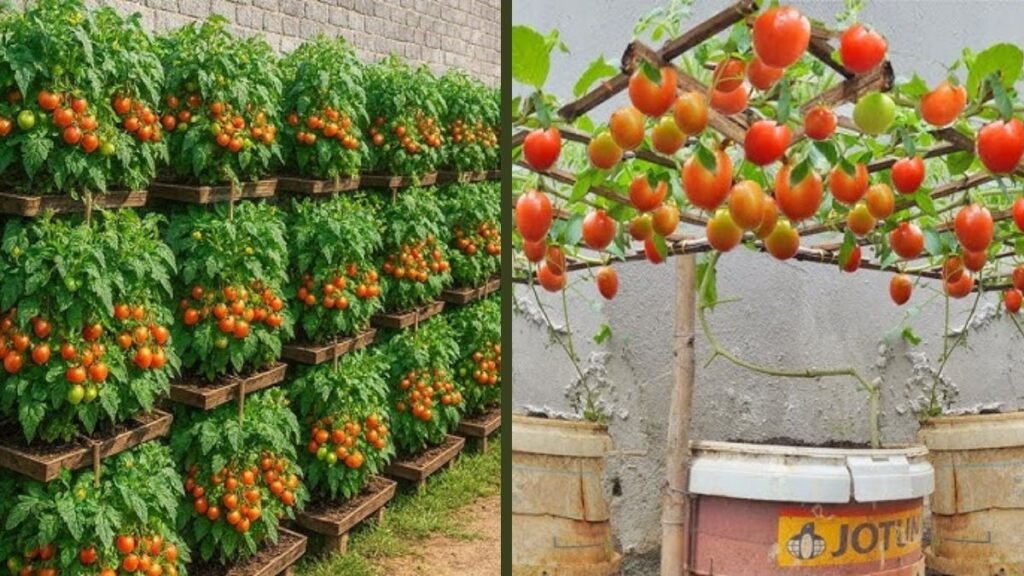
Remove suckers on determinate varieties lightly. Prune yellow or diseased leaves. Improved airflow reduces disease. Focus energy on fruit production. Avoid excessive pruning. Controlled pruning improves yield. Healthy plants flower more. Pruning enhances productivity.
Flowering and Pollination
Tomatoes are self-pollinating. Gentle shaking helps pollination. Outdoor airflow assists naturally. Healthy flowers develop into fruits. Stress-free plants set better fruit. Proper nutrition supports flowering. Pollination directly affects yield. Flower care is important.
Fruit Development and Care
Fruits develop rapidly after flowering. Maintain consistent watering. Support heavy fruit clusters. Avoid moving containers during fruiting. Proper care improves size and taste. Healthy plants produce continuously. Fruit care determines quality. Stable conditions ensure success.
Pest and Disease Management
Common pests include aphids and whiteflies. Inspect plants regularly. Use neem oil spray. Remove infected leaves promptly. Good airflow prevents fungal diseases. Avoid chemical pesticides. Preventive care protects harvests. Healthy plants resist pests.
Harvesting Tomatoes
Harvest tomatoes when fully colored. Pick gently to avoid damage. Morning harvest preserves freshness. Frequent harvesting encourages new fruits. Avoid pulling fruits forcefully. Proper harvesting extends season. Fresh tomatoes taste best. Timely harvest improves flavor.
Growth Overview Table
| Growth Stage | Duration | Care Focus |
|---|---|---|
| Seedling | 2 weeks | Moist soil |
| Vegetative | 3–4 weeks | Sun & feeding |
| Flowering | 2 weeks | Pollination |
| Fruiting | Continuous | Harvesting |
Common Mistakes to Avoid
Using small containers limits growth. Overwatering causes root rot. Poor sunlight reduces yield. Skipping fertilization weakens plants. Lack of support causes breakage. Inconsistent care reduces harvest. Avoiding mistakes ensures success. Proper care guarantees results.
Why This Simple Method Works
Controlled soil improves root health. Focused nutrients increase yield. Easy monitoring prevents stress. Reduced pests improve productivity. Container mobility ensures sunlight. Consistent care produces reliable results. This method is efficient and beginner-friendly. Tomatoes thrive without gardens.
Benefits for Home and Urban Gardeners
No garden space required. Clean and manageable growing system. Higher yields in small areas. Chemical-free fresh tomatoes. Suitable for balconies and rooftops. Easy maintenance and harvesting. Encourages sustainable living. Perfect for urban homes.
Final Conclusion
Growing tomatoes without a garden is simple and highly productive using containers. With proper soil, sunlight, watering, and support, plants produce abundant harvests. This method suits beginners and experienced gardeners alike. Fresh, flavorful tomatoes are easily achievable at home. Container gardening makes tomato growing accessible to everyone.