
Introduction: The Tire Garden Advantage
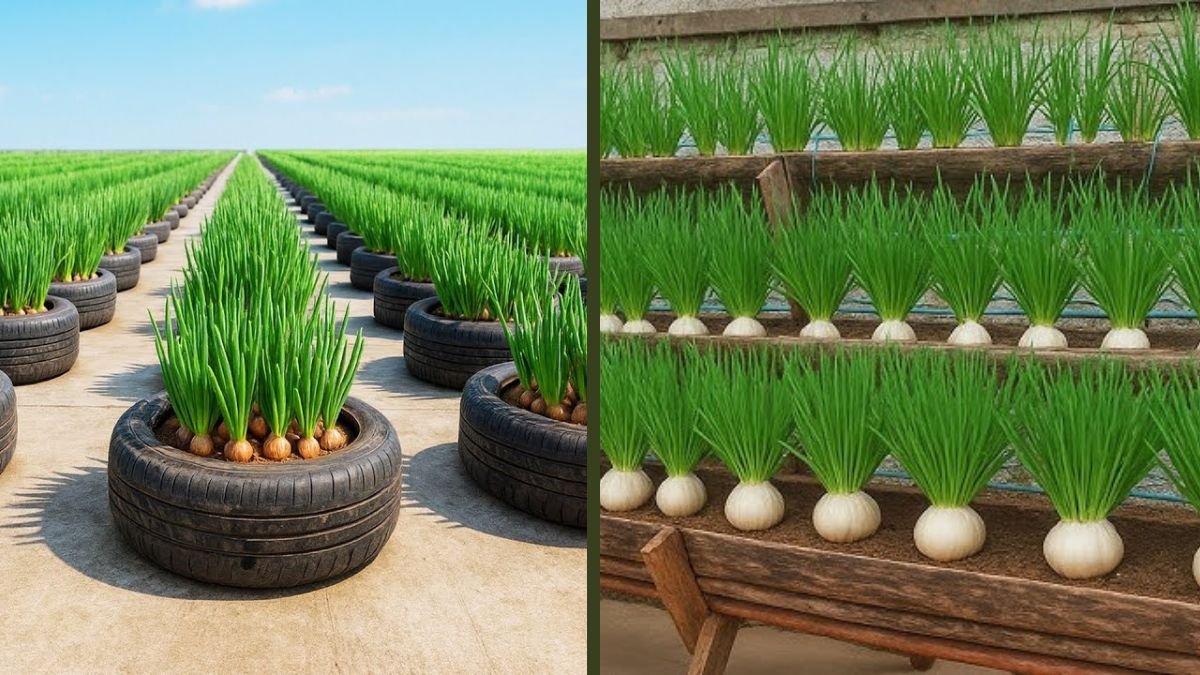
Green onions are a staple in kitchens around the world. Freshly grown green onions have superior flavor compared to store-bought varieties. Using old tires as planters is a simple and cost-effective way to grow them at home. Tires provide a contained environment for soil, moisture, and nutrients. This method is perfect for small spaces like balconies or backyard gardens. It also recycles old tires, reducing waste. With proper care, tires can produce green onions year-round. This guide shares techniques to maximize yield using the tire garden trick.
Why Tires Make Great Planters
Tires are durable, retain soil, and provide excellent insulation for roots. Their circular shape allows even water distribution. Tires are easy to move around for sunlight adjustment. The height prevents soil compaction and keeps vegetables cleaner. Tire gardens are inexpensive and recyclable. They allow vertical stacking for multiple planting levels. Using tires helps beginners experiment with container gardening. This method supports sustainable and efficient urban gardening.
Choosing the Right Tire
Select clean, non-damaged tires for planting. Avoid tires with chemical residues or cracks. The size depends on available space and desired yield. Larger tires hold more soil and support deeper root growth. Smaller tires are perfect for limited spaces or balcony setups. Proper selection ensures healthy growth and prevents soil leakage. The base tire should be stable to avoid tipping. Correct tire choice supports high-yield green onion production.
Soil Preparation for Green Onions
Green onions thrive in loose, fertile soil. Mix garden soil, compost, and sand for optimal drainage. Avoid heavy clay soils that restrict root growth. Adding organic matter provides essential nutrients. Fertile soil encourages quick sprouting and strong growth. Moisture retention is important but should not lead to waterlogging. Well-prepared soil supports multiple harvest cycles. Proper soil enhances taste, size, and quantity.
Planting Green Onion Seeds or Sets
You can plant seeds or sets directly into the tire. Sow seeds evenly and lightly cover with soil. For sets, plant bulbs about an inch deep. Space each plant 2–3 inches apart. Water gently to settle soil around roots. Consistent planting depth ensures uniform growth. Proper spacing avoids overcrowding and reduces disease risk. Healthy seedlings grow into strong, productive green onions.
Watering Techniques for Healthy Growth
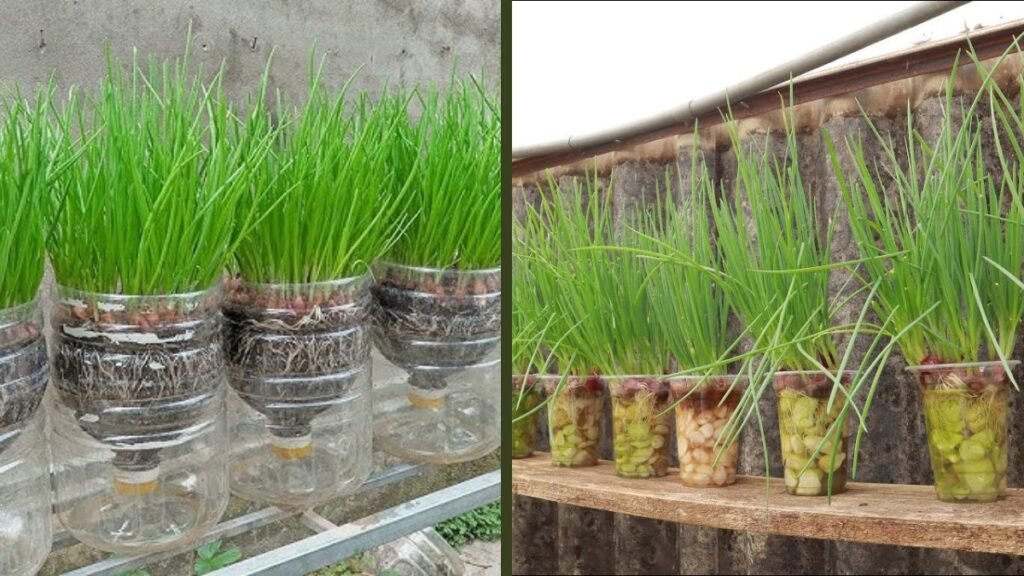
Green onions require regular watering. Soil should remain moist but not soggy. Morning watering is ideal for optimal absorption. Mulch around plants to retain moisture. Avoid wetting foliage to reduce fungal problems. Consistent hydration supports fast leaf growth. Proper water management ensures tender, crisp green onions. Balance water and drainage for best results.
Fertilization Tips
Green onions respond well to organic fertilizers. Use compost tea, vermicompost, or well-rotted manure. Feed every two weeks for continuous growth. Avoid excessive nitrogen, which can promote leafy growth at the expense of bulbs. Balanced nutrients improve taste and size. Fertilization enhances multiple harvests from the same planting. Organic feeding also supports soil health. Fertilized soil ensures robust green onions.
Sunlight Requirements
Place the tire garden in an area receiving at least 6 hours of sunlight. Adequate light ensures strong leaves and fast growth. Insufficient sunlight causes weak, pale leaves. Adjust tire position as needed. Morning sunlight is particularly beneficial. Sunlight exposure also reduces pest pressure. Healthy light conditions maximize yield. Proper sunlight improves flavor and texture of green onions.
Pest and Disease Management
Common pests include aphids and mites. Inspect plants regularly. Organic solutions like neem oil can control infestations. Remove damaged leaves promptly. Proper air circulation prevents fungal diseases. Healthy plants resist minor pest attacks naturally. Avoid chemical sprays for homegrown vegetables. Pest-free plants grow more vigorously and produce higher yields.
Harvesting Green Onions
Harvest green onions when leaves reach 6–8 inches. Pull the entire plant or trim leaves as needed. Frequent harvesting encourages new growth. Morning harvesting preserves freshness. Handle plants gently to avoid root damage. Proper harvesting extends the productive life of each plant. Continuous harvesting allows multiple cycles. Fresh onions are more flavorful and tender.
Soil Renewal for Tire Gardens
After several harvests, replenish soil with compost and fresh organic matter. Remove old roots and debris. This maintains fertility and prevents nutrient depletion. Rotate crops if growing multiple vegetables in the same tire. Regular soil renewal increases yield over time. Healthy soil supports vigorous regrowth. Continuous maintenance ensures consistent productivity.
Vertical Tire Gardens
Stacking tires vertically allows multiple planting layers. Each tire serves as a separate planting level. Vertical gardens save space and increase productivity. Ensure stable stacking to prevent tipping. Watering may require attention for upper levels. Vertical setup improves sunlight exposure. Creative arrangement enhances aesthetics. Multiple levels allow year-round green onion cultivation.
Seasonal Considerations
Green onions can be grown year-round with mild winters. Adjust watering and sunlight during extreme heat or cold. Use shade or protective covers if needed. Soil moisture management is critical in hot seasons. Winter planting may benefit from insulated tires. Seasonal adjustments ensure steady growth. Gardeners can harvest continuously with proper care. Flexibility improves overall yield.
Companion Planting in Tires
Plant herbs like cilantro or parsley alongside green onions. Companion plants deter pests and improve soil fertility. Avoid plants that compete heavily for nutrients. Proper pairing enhances growth and flavor. Companion planting maximizes tire garden space. Diverse planting reduces pest risk. It creates a mini-ecosystem within the tire. Companion plants complement green onions effectively.
Growth Overview Table
| Stage | Duration | Key Care |
|---|---|---|
| Seedling | 10-14 days | Moisture & warmth |
| Vegetative Growth | 2-3 weeks | Water & sunlight |
| First Harvest | 4-5 weeks | Trim leaves or pull plant |
| Soil Renewal | After 3-4 cycles | Compost & organic matter |
Common Mistakes to Avoid
Overwatering causes root rot. Insufficient sunlight reduces growth. Poor soil fertility limits yield. Crowded planting invites disease. Ignoring pest management reduces productivity. These mistakes are easy to prevent with proper care. Learning from errors ensures better results. Correct practice guarantees high-yield green onions.
Benefits of the Tire Garden Method
Recycles old tires. Saves space for small gardens. Easy to move for sunlight adjustment. Affordable and eco-friendly. Supports vertical planting. Reduces soil compaction. Produces tender, fresh green onions. Ideal for urban and home gardening.
Why This Simple Trick Works
Tires provide a contained, insulated environment. Moisture retention, sunlight exposure, and fertility are optimized. Plants experience consistent conditions. Nutrients are concentrated around roots. Reduced pest pressure improves productivity. Even beginners can achieve impressive yields. The method is practical, efficient, and sustainable. Tire gardens deliver abundant, fresh green onions.
Final Conclusion
Using old tires for growing green onions is a simple, effective, and eco-friendly gardening method. Proper soil mixing, watering, sunlight, and fertilization ensure high yields. This method allows urban gardeners to produce fresh green onions year-round. Easy to maintain and inexpensive, tire gardens combine productivity with sustainability. Fresh, flavorful green onions are always within reach.