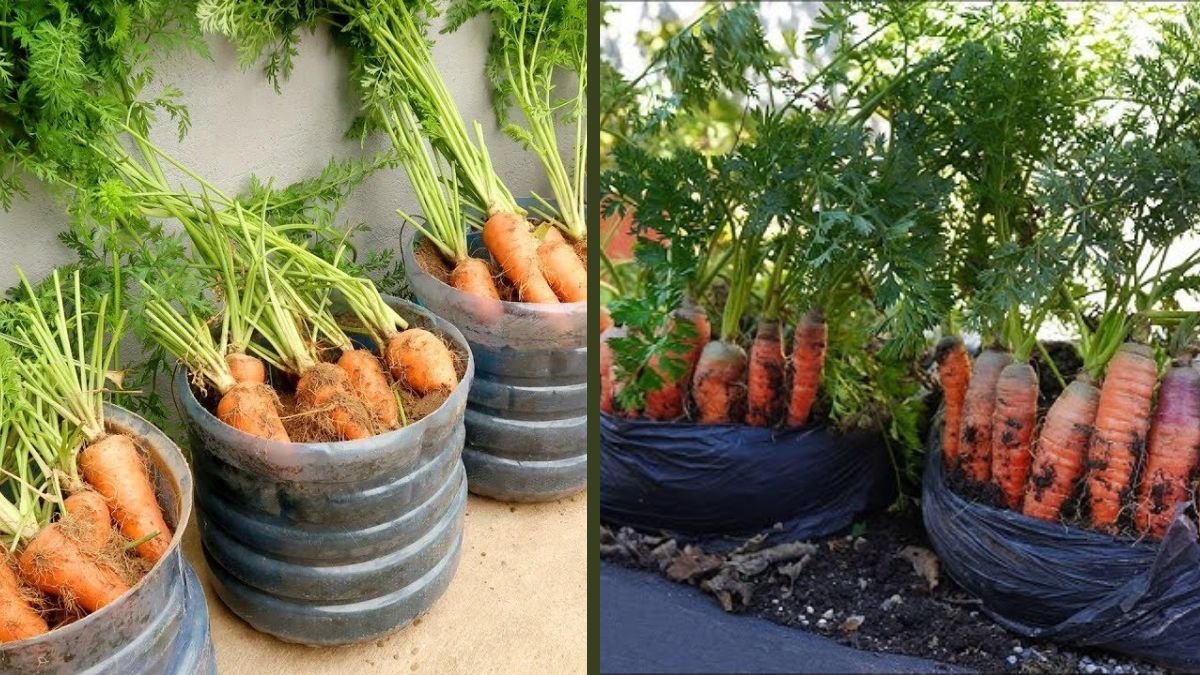

Introduction to Plastic Basket Carrot Gardening
Carrots are nutritious, easy-to-grow root vegetables. Even an old plastic basket can be transformed into a productive carrot garden. Container carrot gardening saves space and provides fresh, chemical-free produce. With proper soil, watering, and sunlight, baskets can yield multiple carrot harvests. This method is perfect for balconies, terraces, or small spaces. Container gardening prevents soil compaction and improves root shape. Carrots in baskets are easy to monitor and harvest. This guide explores practical techniques to maximize carrot yield in small containers.
Choosing the Right Carrot Variety
Select carrot varieties suitable for container growth. Short or medium-rooted types like Nantes, Chantenay, and Scarlet Nantes work best. Avoid long varieties, which may deform in shallow baskets. Choose disease-resistant seeds for higher success. Variety affects taste, color, and texture. Correct choice ensures smooth, straight roots. Short-rooted varieties adapt well to container gardening. Variety selection is critical for maximum yield.
Preparing the Plastic Basket
Clean the basket thoroughly to prevent diseases. Ensure sufficient drainage holes at the bottom. Use a mix of garden soil, compost, and sand for loose, fertile medium. Depth should be at least 12 inches for root development. Avoid compact soil to prevent misshapen carrots. Basket preparation directly impacts carrot growth. Healthy containers ensure straight, uniform roots. Proper preparation maximizes productivity.
Soil Preparation for Carrots
Carrots prefer light, sandy loam soil. Mix compost to improve fertility. Avoid heavy clay that restricts root growth. Slightly acidic to neutral pH is ideal. Loose soil supports deep root development. Mulching helps retain moisture. Fertile soil ensures large, sweet carrots. Proper preparation is key for container gardening success.
Sowing Seeds in Baskets
Sow carrot seeds evenly, ½ inch deep. Space seeds to avoid overcrowding. Cover lightly with soil and mist water. Maintain moisture until germination. Germination takes 7-14 days. Thin seedlings to prevent crowding. Proper sowing ensures strong roots. Healthy seedlings result in high yield.
Watering Practices
Keep soil consistently moist. Avoid waterlogging, which causes root rot. Drip irrigation or hand watering works well. Mulch conserves moisture. Morning watering reduces evaporation. Proper hydration promotes healthy roots. Water stress reduces carrot size and quality. Balanced watering ensures multiple harvests.
Sunlight Requirements
Carrots need at least 5-6 hours of sunlight. Place baskets in bright areas. Insufficient sunlight delays growth and reduces sweetness. Rotate baskets to ensure even exposure. Sunlight improves root development and flavor. Healthy carrots require moderate, consistent light. Balcony orientation affects productivity. Proper sun management enhances carrot quality.
Fertilization Techniques
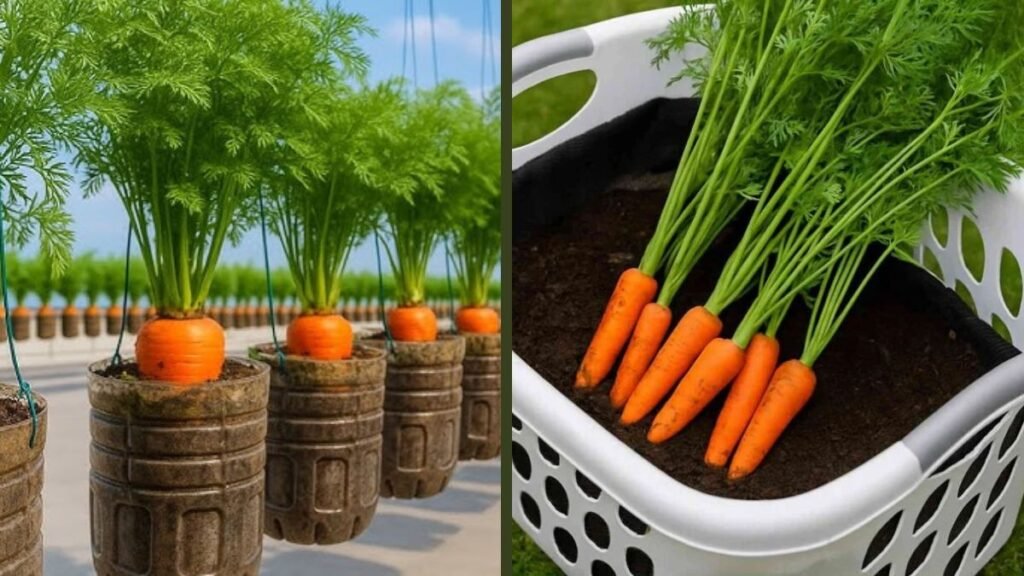
Apply compost or liquid fertilizers. Avoid excessive nitrogen, which promotes leafy growth. Potassium and phosphorus enhance root growth. Feed every 2-3 weeks. Balanced nutrition ensures large, straight carrots. Fertilization improves yield and taste. Healthy soil reduces pest risk. Nutrient management is critical for container carrots.
Thinning and Root Management
Thin seedlings early to prevent crowding. Maintain 2-3 inches between roots. Overcrowding leads to small, twisted carrots. Proper spacing allows roots to expand freely. Healthy root management improves shape and size. Thinning increases total harvestable yield. Careful monitoring prevents deformities. Root care is essential for container success.
Mulching Benefits
Mulch retains soil moisture. Reduces evaporation and temperature fluctuations. Organic mulch adds fertility as it decomposes. Prevents weeds from competing with carrots. Supports consistent root growth. Healthy soil produces multiple harvests. Mulching reduces maintenance and labor. Soil temperature control improves carrot sweetness.
Pest and Disease Control
Carrots are prone to aphids and fungal infections. Use neem oil or organic sprays. Remove diseased leaves promptly. Maintain airflow by proper spacing. Healthy soil reduces pest infestations. Early intervention prevents root damage. Integrated pest management increases productivity. Monitoring ensures multiple healthy harvests.
Harvesting Techniques
Carrots are ready for harvest 70-90 days after sowing. Pick roots carefully to avoid breakage. Frequent harvest encourages new growth in certain varieties. Avoid leaving roots too long in soil to maintain flavor. Gently loosen soil before pulling carrots. Monitor for uniform color and size. Timely harvest ensures quality. Proper technique maximizes yield.
Post-Harvest Handling
Store carrots in a cool, shaded place. Avoid stacking to prevent bruising. Wash gently before storage. Maintain moderate humidity. Avoid sunlight exposure. Proper handling preserves freshness and sweetness. Post-harvest care ensures maximum shelf life. Quality preservation improves usability.
Growth Monitoring Table
| Factor | Requirement | Benefit |
|---|---|---|
| Soil | Sandy loam, fertile | Straight roots, strong growth |
| Water | Consistent | Moist, healthy roots |
| Sunlight | 5-6 hours | Sweet, large carrots |
| Fertilizer | Balanced | High yield, good taste |
Innovative Tips
Use recycled baskets creatively for container gardening. Vertical basket stacking saves space. Add coarse sand for better drainage. Thin seedlings regularly. Mulch for moisture retention. Monitor daily for pest issues. Innovative techniques improve productivity and quality. Combining these ensures a high-yield container carrot garden.
Container Gardening Benefits
Plastic baskets are affordable and reusable. Deep baskets allow proper root development. Rotate for sunlight exposure. Easy maintenance in urban areas. Portable containers reduce labor. High yields are possible in limited spaces. Container gardening is practical and efficient. Maximizes urban gardening potential.
Seasonal Planting
Plant carrots in cooler seasons. Avoid extreme heat for container carrots. Rotate with other crops to maintain soil fertility. Seasonal planning ensures continuous harvest. Enhances root quality and flavor. Proper timing maximizes yield. Planning reduces pest and disease risk. Seasons influence success.
Maximizing Root Size
Thin roots early. Provide balanced water and nutrients. Use deep containers for unhindered root growth. Remove weak or deformed seedlings. Proper management ensures large, straight carrots. Healthy roots increase harvestable yield. Focus on main roots for quality. Root care improves both size and flavor.
Common Mistakes to Avoid
Overcrowding causes twisted roots. Irregular watering reduces yield. Excess nitrogen favors leaves over roots. Poor drainage causes root rot. Neglecting pests decreases quality. Avoid these mistakes to maximize productivity. Awareness improves results. Proper container management ensures abundant harvest.
Final Conclusion
Even an old plastic basket can produce abundant carrots. With proper soil, watering, sunlight, fertilization, thinning, and pest management, container carrot gardening is highly productive. Vertical stacking and careful monitoring maximize limited space. Urban gardeners can enjoy fresh, high-quality carrots year-round. With consistent care, containers yield large, healthy, and sweet roots efficiently.