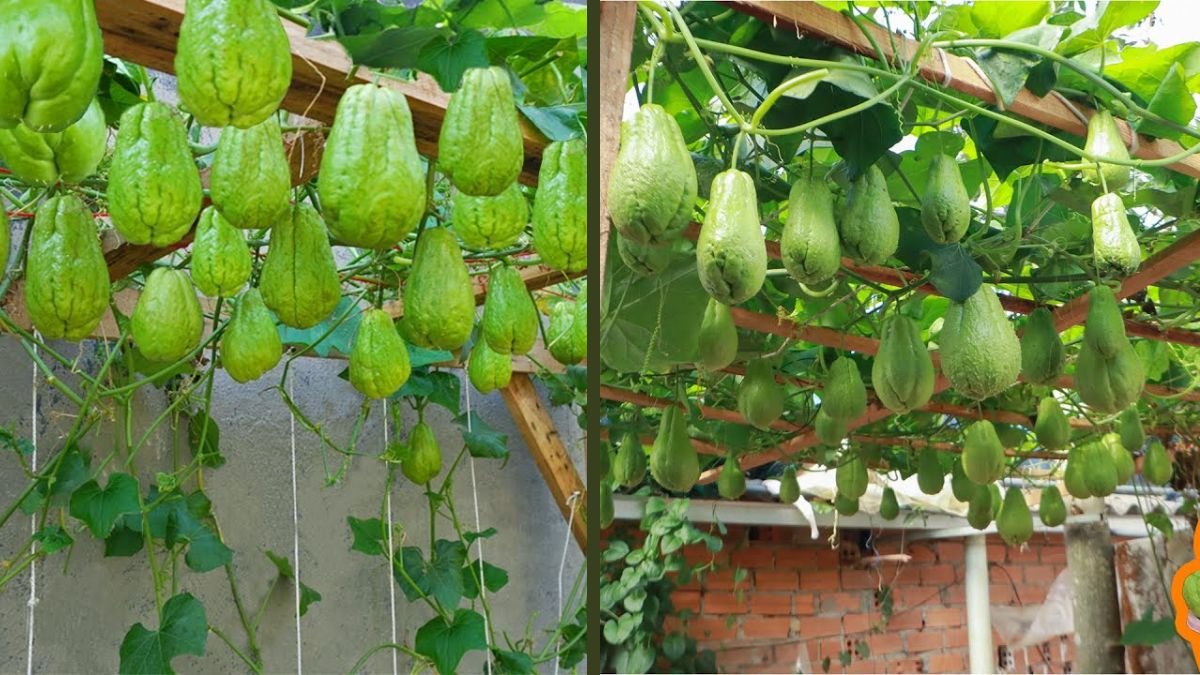

Introduction: Why Grow Chayote at Home
Chayote is a versatile vegetable known for its crisp texture and mild taste. Homegrown chayote is fresher, healthier, and chemical-free compared to market produce. Many gardeners face difficulties growing chayote continuously because traditional soil planting is space-intensive. The tub method solves this problem, allowing year-round cultivation. This article explains step-by-step how to grow chayote in tubs, from selecting tubers to harvesting. By implementing this method, even small spaces can yield an endless supply of chayote.
Nutritional Benefits of Chayote
Chayote is rich in fiber, vitamin C, folate, and antioxidants. It aids digestion, reduces cholesterol, and supports weight management. Low in calories and high in water content, it is perfect for hydration and detoxification. Homegrown chayote ensures no pesticide exposure. Regular consumption can improve immunity, skin health, and overall wellness. This makes chayote an excellent addition to soups, stir-fries, salads, and stews.
Choosing the Right Chayote Tubers
Select firm, healthy chayote tubers with no signs of rot or disease. Large tubers with sprouts are preferable as they establish quickly. Avoid tubers that are damaged or shriveled, as they may fail to grow. Purchase from trusted nurseries or harvest from healthy homegrown plants. Quality tubers are essential for continuous growth and higher yields. Choosing the right tuber ensures faster root development and vigorous vine growth.
Selecting the Right Tub
A durable tub or container is crucial for this method. Choose a tub at least 18–24 inches deep and wide to accommodate roots and tuber expansion. Ensure proper drainage by adding holes at the base. Plastic, ceramic, or metal tubs can be used if they are sturdy and non-toxic. Larger tubs allow more space for nutrient-rich soil. The right container prevents waterlogging, root rot, and supports continuous growth.
Preparing the Soil Mixture
Chayote prefers fertile, well-drained soil. Mix garden soil, compost, and sand in equal parts to ensure aeration and nutrition. Adding vermicompost or organic fertilizers boosts tuber growth. Avoid compacted soil as it restricts root development. Proper soil preparation ensures healthy root systems, abundant vine growth, and continuous production. A nutrient-rich medium supports multiple fruiting cycles throughout the year.
Planting the Chayote Tuber
Place the chayote tuber horizontally with the sprouted side facing upward. Cover partially with soil, leaving the sprout tip visible. Water gently to settle the soil. Position the tub in a sunny location for optimal growth. Maintain sufficient space between tubs if growing multiple plants. Correct planting orientation and soil coverage promote strong roots and rapid vine growth, leading to higher fruit yield.
Watering and Moisture Management
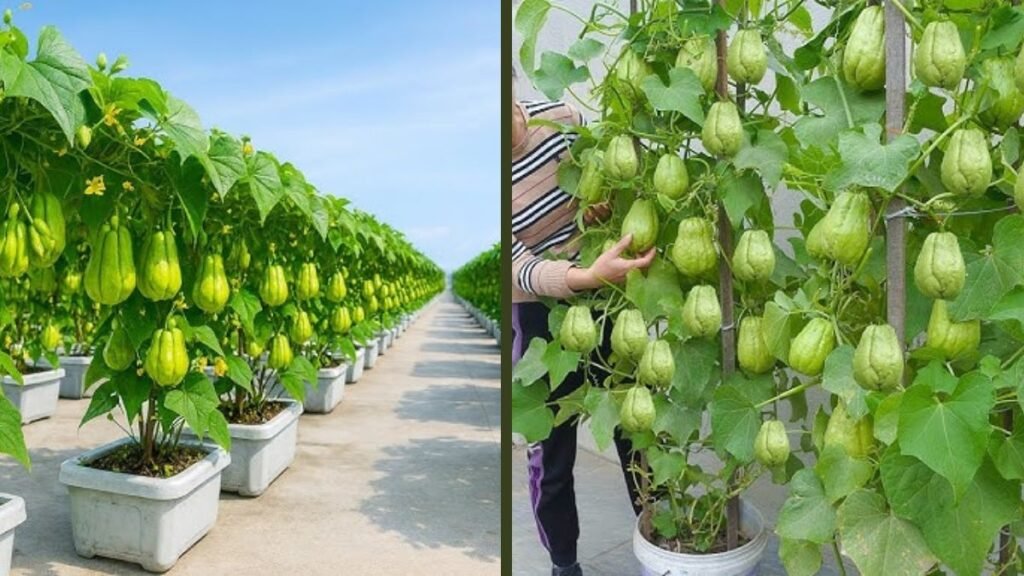
Chayote requires consistent moisture for vigorous growth. Water the tub regularly to keep soil damp but not waterlogged. Mulch with straw or coconut husk to retain moisture and regulate temperature. Avoid stagnant water, which may cause tuber rot. Early morning watering reduces fungal infections. Proper moisture management supports continuous flowering and fruiting throughout the year.
Fertilization Tips
Use organic fertilizers such as compost tea, vermicompost, or liquid manure every 2–3 weeks. Nitrogen-rich fertilizer supports leafy vine growth in early stages. Switch to phosphorus and potassium fertilizers during flowering and fruiting to improve fruit quality and yield. Avoid over-fertilization, which can result in excessive foliage and fewer fruits. Balanced nutrition ensures multiple chayote fruits per vine consistently.
Trellising and Vine Support
Chayote is a climbing plant that requires support. Use trellises, bamboo poles, or mesh nets to guide vines upward. Vertical growth saves space, reduces pest risk, and improves air circulation. Tie vines loosely to prevent breakage. Proper trellising encourages higher flowering and fruit formation. Supporting vines ensures continuous harvest and prevents fruit contact with soil, reducing disease risk.
Sunlight Requirements
Chayote thrives in full sunlight with 6–8 hours of direct exposure. Adequate sunlight promotes photosynthesis, stronger vines, and higher fruit production. Avoid shaded areas, as they produce smaller and fewer fruits. Rotate tubs if sunlight is uneven. Proper sunlight ensures optimal growth and continuous fruiting throughout the year.
Flowering and Pollination
Chayote produces separate male and female flowers. Encourage pollination naturally by attracting bees or manually transferring pollen. Monitor flowers daily to ensure proper pollination. Proper flower care and pollination determine fruit set and size. Continuous flowering leads to year-round fruit production. Healthy blooms directly influence the number of chayote fruits per vine.
Pest and Disease Control
Common pests include aphids, mealybugs, and caterpillars. Use neem oil or organic sprays for pest management. Fungal diseases can be reduced by avoiding overwatering and improving airflow. Remove diseased leaves promptly. Regular monitoring ensures continuous healthy growth. Pest-free plants yield multiple chayote fruits and maintain quality.
Harvesting Chayote
Harvest fruits when they reach 6–12 inches in length and firm texture. Pick gently to avoid damaging the vine. Regular harvesting encourages more flowering and fruiting. Avoid leaving fruits too long, as they may become tough and lose flavor. Proper harvesting ensures continuous supply throughout the year. Handle fruits carefully to maintain freshness.
Storage and Shelf Life
Store harvested chayote in a cool, dry place or refrigerator. Avoid washing before storage to prevent fungal growth. Chayote can last up to 2 weeks under optimal conditions. Proper storage maintains texture, flavor, and nutritional value. Continuous availability allows for year-round consumption in meals. Homegrown chayote is tastier and more nutritious than market varieties.
Common Mistakes to Avoid
Overwatering, poor soil preparation, lack of trellis support, and neglecting fertilization reduce yield. Using unhealthy tubers or overcrowding tubs hinders vine growth. Ignoring pollination results in fewer fruits. Avoiding these mistakes ensures continuous, high-quality harvests throughout the year. Learning from beginner errors saves time and resources.
Tips for Continuous Year-Round Growth
Succession planting and regular pruning ensure year-round productivity. Maintain nutrient-rich soil and consistent watering. Monitor vine growth and support climbing structures. Rotate tubs or soil media if needed to prevent nutrient depletion. Continuous care guarantees endless chayote fruits for home consumption or sale.
Comparison Table: Tub Method vs Traditional Soil Planting
| Feature | Tub Method | Traditional Soil Planting |
|---|---|---|
| Space Requirement | Small, compact | Large garden area |
| Year-Round Growth | Yes | Seasonal |
| Fruit Quality | High, uniform | Variable |
| Pest Control | Easier | Harder |
| Water Management | Controlled | Variable |
| Yield per Plant | Multiple fruits | Moderate |
Culinary and Health Uses
Chayote can be used in soups, stir-fries, salads, curries, and even pickles. It is low-calorie, hydrating, and packed with nutrients. Homegrown chayote is fresher, tastier, and chemical-free. Its versatility in recipes makes it ideal for family meals. Including chayote in daily meals improves digestion, immunity, and overall health.
Benefits of Growing at Home
Growing chayote in tubs saves space, reduces chemical exposure, and ensures fresh produce. It is ideal for balconies, terraces, or small gardens. Continuous harvesting allows for regular family consumption. Home gardening promotes sustainability, self-sufficiency, and enjoyment. Watching vines climb and fruits grow is a rewarding experience.
Conclusion
The tub method makes growing chayote easy, space-efficient, and productive throughout the year. Selecting quality tubers, preparing nutrient-rich soil, providing trellis support, and maintaining water and fertilizer schedules ensures endless harvest. Continuous care, proper pollination, and regular harvesting maximize yield. Start today and enjoy fresh, homegrown chayote all year round.