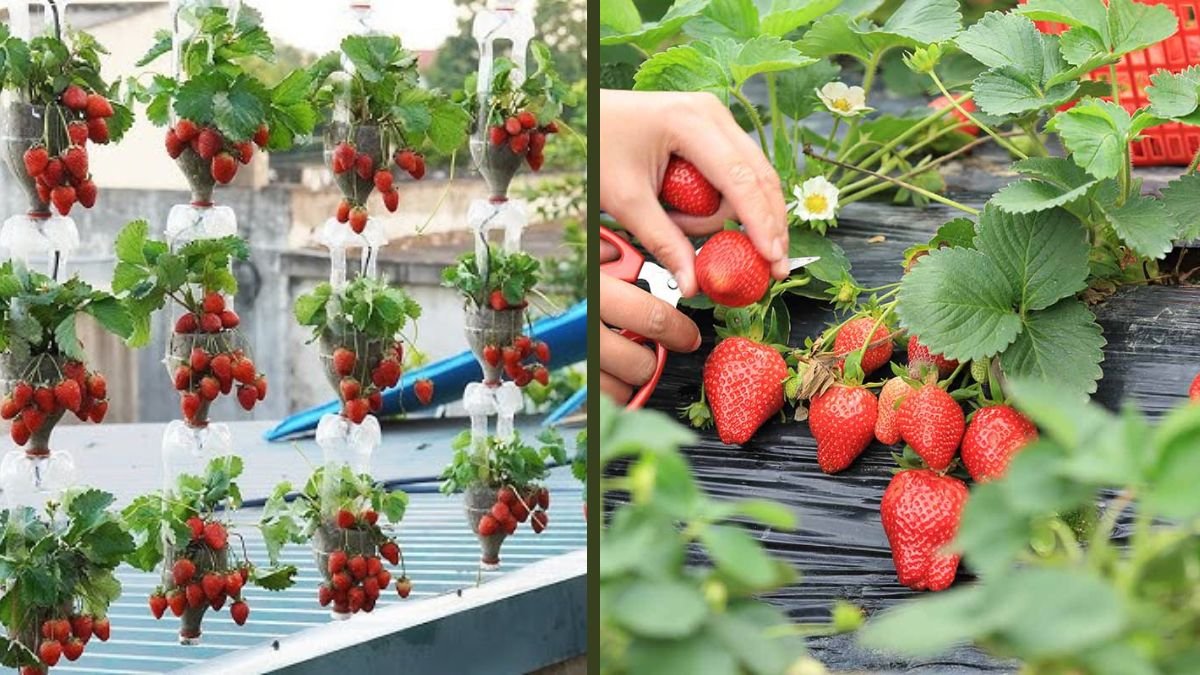

Introduction to This Revolutionary Strawberry Growing Method
Strawberries are one of the most loved fruits worldwide because of their sweet taste, attractive color, and versatility in desserts and fresh eating. However, many gardeners struggle with strawberry propagation due to root rot, drying runners, or poor transplant success. This revolutionary method of growing strawberries using potatoes has gained popularity among home gardeners because it significantly improves survival rates. Potatoes act as a natural moisture reservoir and nutrient provider, giving young strawberry plants an ideal environment. Even beginners can achieve nearly 100% success with this simple, low-cost technique. It requires minimal tools and can be done in small spaces. This method is especially useful for container gardeners and balcony growers. Let’s explore how this technique works step by step.
Why Traditional Strawberry Propagation Often Fails
Traditional strawberry propagation usually involves planting runners directly into soil or water. Unfortunately, runners dry out quickly when exposed to heat and wind. Soil-borne fungi can attack weak roots before they establish themselves. Inconsistent watering is another major reason for failure. Many gardeners overwater or underwater young plants without realizing it. This leads to stress, root rot, or complete plant loss. Transplant shock is also common when runners are moved from mother plants. These issues discourage many beginners from growing strawberries at home.
How Potatoes Help Strawberry Cuttings Thrive
Potatoes are rich in moisture, starch, and natural nutrients that slowly release into the cutting. When strawberry runners are inserted into a potato, they receive consistent hydration. The potato acts as a protective shield against temperature fluctuations. It prevents the cutting from drying out during early root development. Potatoes also reduce the risk of fungal infections because the cutting remains stable and undisturbed. This creates a micro-environment perfect for root initiation. As a result, strawberry plants root faster and stronger. This simple trick dramatically improves success rates.
Best Strawberry Varieties for Potato Propagation
Not all strawberry varieties perform equally when propagated using potatoes. Day-neutral and everbearing varieties adapt especially well to this method. Popular choices include Albion, Seascape, Chandler, and Sweet Charlie. These varieties produce strong runners and establish roots quickly. Gardeners should choose healthy mother plants with disease-free runners. Avoid weak or yellowing runners, as they reduce success. Selecting the right variety ensures better yields later. Proper variety selection is the foundation of successful strawberry cultivation.
Choosing the Right Potatoes for This Method
Medium-sized, fresh potatoes work best for strawberry propagation. Avoid sprouted or rotten potatoes, as they may attract pests or diseases. Organic potatoes are ideal because they are free from chemical inhibitors. The potato should be firm and moisture-rich. Large potatoes can be cut into sections if needed. Each potato should support one runner for best results. Proper potato selection ensures consistent moisture supply and prevents rot. This step is often overlooked but is very important.
Preparing Strawberry Runners for Planting
Choose runners that have at least one visible node and healthy green leaves. Trim off excess leaves to reduce moisture loss. Keep the runner attached to the mother plant until it is ready for planting if possible. If detached, keep it moist until planting. Avoid damaged or thin runners. Healthy runners establish roots faster inside the potato. Preparation helps reduce transplant shock and improves success. Clean tools should be used to prevent disease transmission.
Step-by-Step Potato Propagation Method
Make a small hole in the potato using a clean stick or screwdriver. Insert the strawberry runner gently into the hole, ensuring the node is fully inside. Do not force it, as this may damage the tissue. Place the potato with the runner into a pot filled with loose, well-draining soil. Cover lightly, leaving the leaves exposed. Water gently after planting. Place the pot in partial sunlight. Roots usually develop within two weeks.
Ideal Soil Mix for Best Results
A light and airy soil mix encourages faster root growth. Use garden soil mixed with compost and sand or coco peat. Good drainage is essential to prevent waterlogging. Avoid heavy clay soils. Compost provides slow-release nutrients. The soil should remain moist but not soggy. Proper soil preparation supports healthy plant development. This ensures long-term success beyond initial rooting.
Light and Temperature Requirements
Strawberry cuttings prefer bright, indirect sunlight during the rooting phase. Direct harsh sunlight may stress young plants. Ideal temperatures range between mild warm conditions. Extremely cold or hot conditions slow root formation. Balcony growers should place pots near windows with filtered light. Consistent conditions improve success. Once rooted, plants can gradually be moved to full sun. Proper light management is key.
Watering Schedule and Moisture Control
Water lightly but consistently to keep the soil moist. Overwatering can cause potato rot. Underwatering may dry out the runner. Check soil moisture daily. Use a spray bottle during the initial days. Avoid water stagnation. Proper moisture balance ensures healthy root development. This is one of the most critical aspects of the method.
When and How Roots Develop
Roots usually appear within 10 to 15 days. New leaf growth indicates successful rooting. Gently tug the plant to check resistance. Avoid disturbing the potato during this phase. Once roots are established, growth becomes rapid. The potato will slowly decompose, enriching the soil. This natural process benefits the plant. Patience during this stage is essential.
Transplanting After Successful Rooting
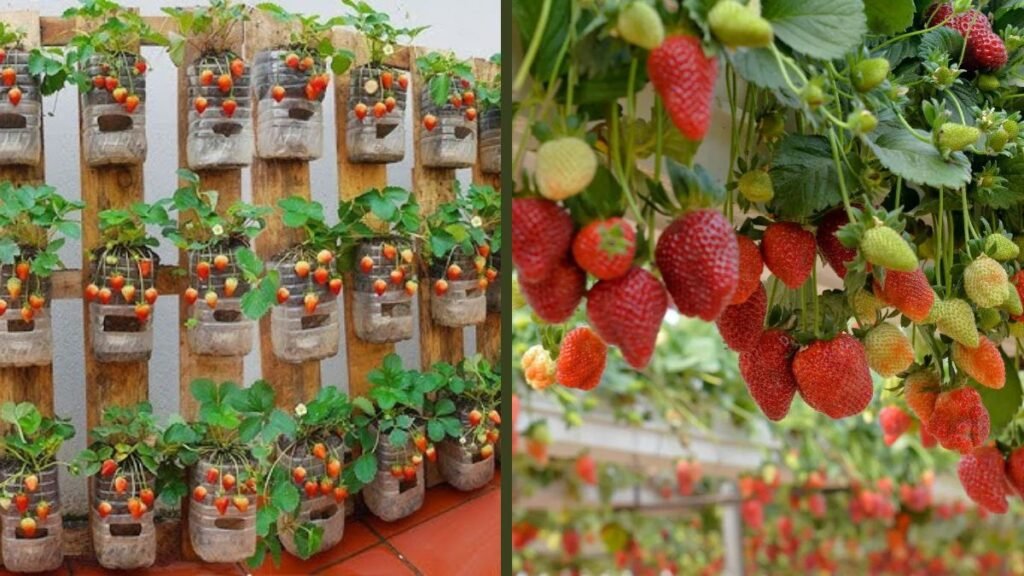
Once the plant shows strong growth, it can be transplanted to a larger pot or garden bed. Handle gently to avoid root damage. Choose a sunny location with fertile soil. Space plants adequately to promote airflow. Water thoroughly after transplanting. This step ensures continued healthy growth. Proper transplanting improves fruit production.
Common Mistakes to Avoid
Using rotten potatoes is a major mistake. Overwatering is another common issue. Planting weak runners reduces success. Poor drainage leads to fungal problems. Ignoring sunlight requirements slows growth. Avoid these mistakes for best results. Learning from errors saves time and effort. Simple care leads to high success.
Benefits of This Potato Method
This method is low-cost and beginner-friendly. It increases survival rates dramatically. No special equipment is required. It works well in containers and small spaces. Plants grow stronger roots. Yield quality improves over time. This technique is sustainable and eco-friendly. It is perfect for home gardeners.
Strawberry Growth Timeline Overview (Table)
| Growth Stage | Time Required | Key Observation |
|---|---|---|
| Runner Selection | One day | Healthy green nodes |
| Root Formation | Two weeks | New leaf growth |
| Establishment | One month | Strong root system |
| Flowering | Two months | Bud formation |
| Fruiting | Three months | Ripe strawberries |
Organic Care After Establishment
Use organic compost or vermicompost for feeding. Avoid chemical fertilizers initially. Mulching helps retain moisture. Remove weeds regularly. Monitor for pests naturally. Healthy plants require minimal intervention. Organic care improves fruit flavor. Long-term soil health is maintained.
Pest and Disease Prevention Tips
Ensure proper air circulation. Avoid water on leaves. Use neem oil if needed. Remove infected leaves immediately. Healthy soil reduces disease risk. Prevention is always better than cure. This keeps plants productive. Simple steps make a big difference.
Harvesting Sweet Homegrown Strawberries
Harvest strawberries when fully red. Morning harvesting improves flavor. Handle gently to avoid bruising. Regular harvesting encourages more fruits. Homegrown strawberries taste superior. Enjoy fresh or in desserts. This is the most rewarding stage. Your efforts truly pay off.
Why Every Gardener Should Try This Method
This method simplifies strawberry propagation. It eliminates common failures. Even beginners can succeed. It saves money and time. The technique is scalable. Results are consistent and reliable. It encourages sustainable gardening. This is truly a revolutionary approach.
Final Thoughts
Growing strawberries using potatoes is a game-changing technique. It combines simplicity with high success rates. Anyone can try it at home. With minimal effort, gardeners enjoy abundant harvests. This method promotes confidence in gardening. Try it once, and you’ll never go back. Gardening becomes joyful and rewarding. Success is almost guaranteed.