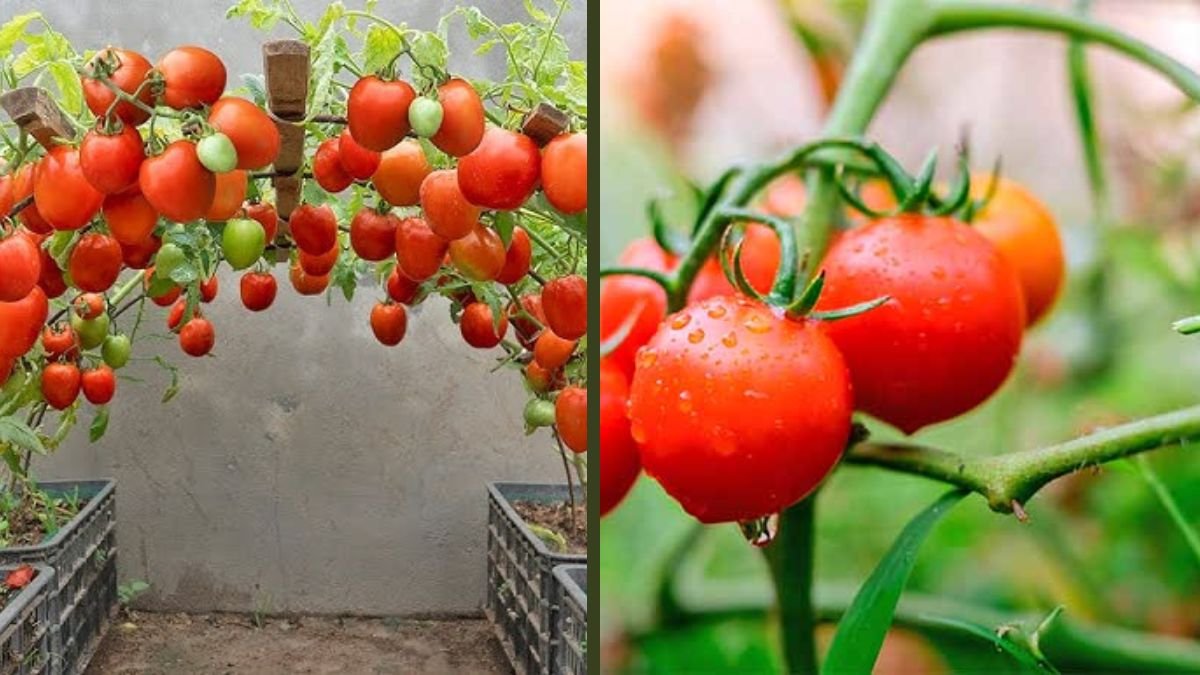

Many home gardeners complain that tomato plants grow tall but produce small fruits, attract pests, or stop flowering early. This usually happens because tomatoes are grown using traditional methods that ignore soil health, spacing, and plant training. When tomatoes are stressed, they invite insects and diseases instead of resisting them naturally. The good news is that tomatoes can be grown in a smarter way that produces large, juicy fruits while keeping pests away naturally. This method focuses on root strength, airflow, and organic protection. Once you understand this approach, tomato growing becomes easier and more rewarding. Even beginners can achieve professional-level harvests. This guide explains everything step by step in simple language.
Understanding The Secret Behind Pest-Free Tomato Plants
Tomato plants become pest magnets when they are weak, overcrowded, or poorly nourished. In nature, strong plants release natural chemicals that repel insects. This special growing method strengthens the plant from the root level, making it naturally resistant. Instead of spraying chemicals, we create conditions where pests do not want to stay. Proper spacing, sunlight, and soil microbes play a big role. When air flows freely around plants, fungal diseases also reduce. Healthy tomato plants grow thick stems and deep roots. This is the foundation of large fruit production.
Choosing The Right Tomato Variety Matters
Not all tomato varieties perform well with this method, so selection is important. Indeterminate tomato varieties grow continuously and respond best to deep planting and vertical training. Examples include cherry tomatoes, beefsteak tomatoes, and heirloom varieties. These plants produce larger fruits when roots are encouraged to grow deeper. Determinate varieties can also benefit, but yield improvement is greater in indeterminate types. Always choose disease-resistant seeds when possible. Strong genetics combined with the right method give outstanding results. Local climate-friendly varieties perform even better.
Deep Planting Technique For Massive Root Growth
One key technique is planting tomatoes deeper than usual. Tomato stems can produce roots when buried under soil. By planting two-thirds of the stem underground, the plant develops a large root system. Bigger roots mean better nutrient absorption and stronger growth. This also helps the plant survive heat and drought stress. When roots are deep, surface pests cause less damage. Deep planting also stabilizes the plant, preventing wind damage. This single step dramatically increases fruit size and plant health.
Soil Preparation That Repels Pests Naturally
Healthy soil is alive with beneficial microorganisms that protect plants. Before planting, enrich soil with compost, aged cow manure, and neem cake powder. Neem cake acts as a natural pest repellent in the soil. Adding wood ash in small amounts supplies potassium for fruit development. Avoid chemical fertilizers, as they weaken plant immunity. Loose, well-drained soil allows roots to expand freely. When soil biology is balanced, harmful insects fail to thrive. Soil preparation is the backbone of pest-free tomato farming.
Spacing And Airflow For Disease Prevention
Tomatoes hate overcrowding, yet many gardeners plant them too close. Proper spacing allows sunlight and air to reach every leaf. Good airflow dries moisture quickly, preventing fungal diseases like blight. Space tomato plants at least two feet apart. Vertical growth using stakes or trellises improves airflow further. When leaves stay dry, insects also reduce. Pests prefer humid, dark environments. Spacing is a simple but powerful technique often ignored.
Vertical Training For Larger And Cleaner Fruits
Growing tomatoes vertically keeps fruits away from soil contact. This prevents rot and insect damage. Use bamboo sticks, wires, or tomato cages for support. Tie stems loosely to avoid injury. Vertical plants receive more sunlight, improving photosynthesis. More energy means bigger fruits and better flavor. Harvesting also becomes easier and cleaner. Vertical growth is essential for pest control and fruit quality.
Mulching Technique That Stops Pests
Mulching creates a protective barrier between soil and plant. Use dry straw, dried leaves, or grass clippings as mulch. Mulch prevents soil-borne pests from reaching the plant. It also maintains moisture and regulates soil temperature. Reflective mulch can confuse insects and reduce attacks. Organic mulch improves soil fertility as it decomposes. Mulching is one of the cheapest and most effective pest control methods. It also saves watering effort.
Watering Strategy For Maximum Fruit Size
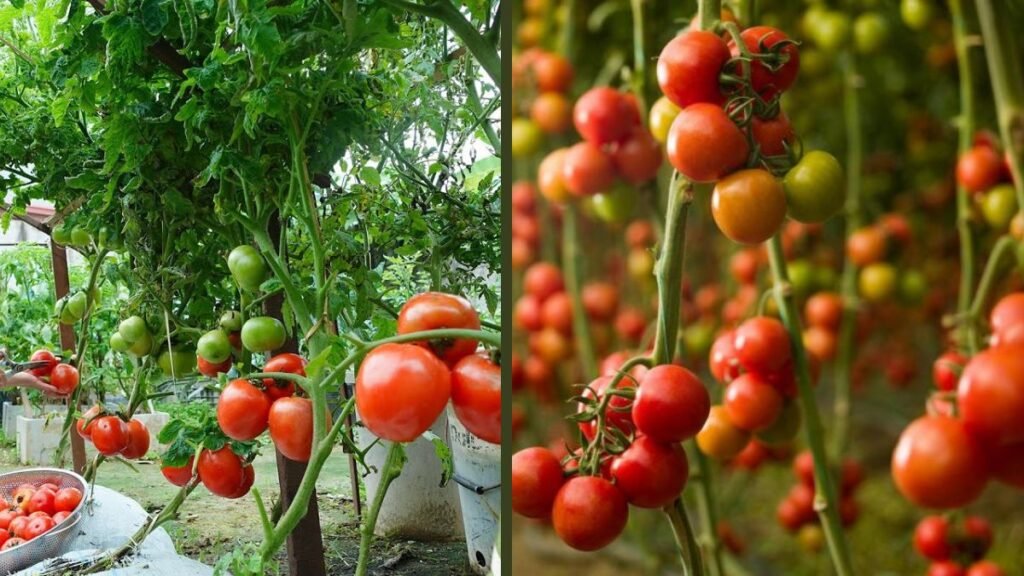
Improper watering causes fruit cracking and blossom end rot. Water deeply but less frequently to encourage deep root growth. Morning watering is best, as leaves dry quickly. Avoid wetting leaves to prevent fungal diseases. Consistent moisture helps fruits grow evenly and large. Overwatering leads to weak plants and pest attraction. Use drip irrigation or slow watering methods. Balanced watering makes a big difference in tomato quality.
Natural Pest Repellent Spray Recipe
Instead of chemicals, use natural sprays to protect plants. Mix neem oil, mild soap, and water to create a powerful organic spray. Garlic and chili sprays also repel insects effectively. Spray once a week in the early morning. These sprays do not harm beneficial insects. Regular application keeps pests away without residue. Natural sprays support eco-friendly gardening. This keeps tomatoes safe for home consumption.
Table: Key Elements Of This Tomato Growing Method
Element Name
Deep planting improves root strength and fruit size
Vertical support improves airflow and reduces pests
Neem-based soil additives repel insects naturally
Organic mulch conserves moisture and blocks pests
Proper spacing prevents fungal diseases
Flowering Stage Care For Heavy Yield
Flowering is a critical stage that determines yield. Avoid excessive nitrogen during this time. Add potassium-rich compost to support flower formation. Gently shake plants to help pollination. Keep plants stress-free by maintaining moisture. Healthy flowers lead to large fruit clusters. Stress during flowering reduces fruit size. Proper care at this stage boosts harvest dramatically.
Pruning Technique For Bigger Tomatoes
Remove unnecessary side shoots to redirect energy. Focus plant energy on fruit production rather than excessive leaves. Pruning improves airflow and sunlight exposure. Do not over-prune, as leaves protect fruits from sunburn. Balanced pruning results in fewer but larger fruits. This technique is widely used by professional growers. Pruning also makes pest detection easier.
Harvesting At The Right Time
Harvest tomatoes when they start turning color. This improves flavor and shelf life. Overripe tomatoes attract pests and diseases. Regular harvesting encourages continuous fruiting. Handle fruits gently to avoid damage. Early harvesting reduces pest pressure on plants. Timing your harvest improves quality and quantity.
Common Mistakes To Avoid
Avoid planting in poor soil or shady areas. Do not overcrowd plants or overwater. Avoid chemical fertilizers that weaken immunity. Ignoring pruning leads to small fruits. Late pest control causes heavy damage. Learning from these mistakes ensures success. Simple corrections lead to big improvements.
Why This Method Works Better Than Traditional Ways
This method focuses on plant health instead of pest killing. Strong plants naturally resist insects. Soil health, spacing, and airflow work together. Chemical dependency is eliminated. Fruits grow larger due to improved nutrient flow. This approach is sustainable and cost-effective. Once adopted, it becomes a habit.
Final Thoughts On Pest-Free Tomato Growing
Growing tomatoes this way changes the gardening experience completely. Plants stay healthy, fruits grow larger, and pests disappear naturally. The method is simple, affordable, and suitable for all gardeners. Even small spaces can produce abundant harvests. With patience and consistency, results improve every season. This technique is truly a game changer. Start once and enjoy tomatoes like never before.