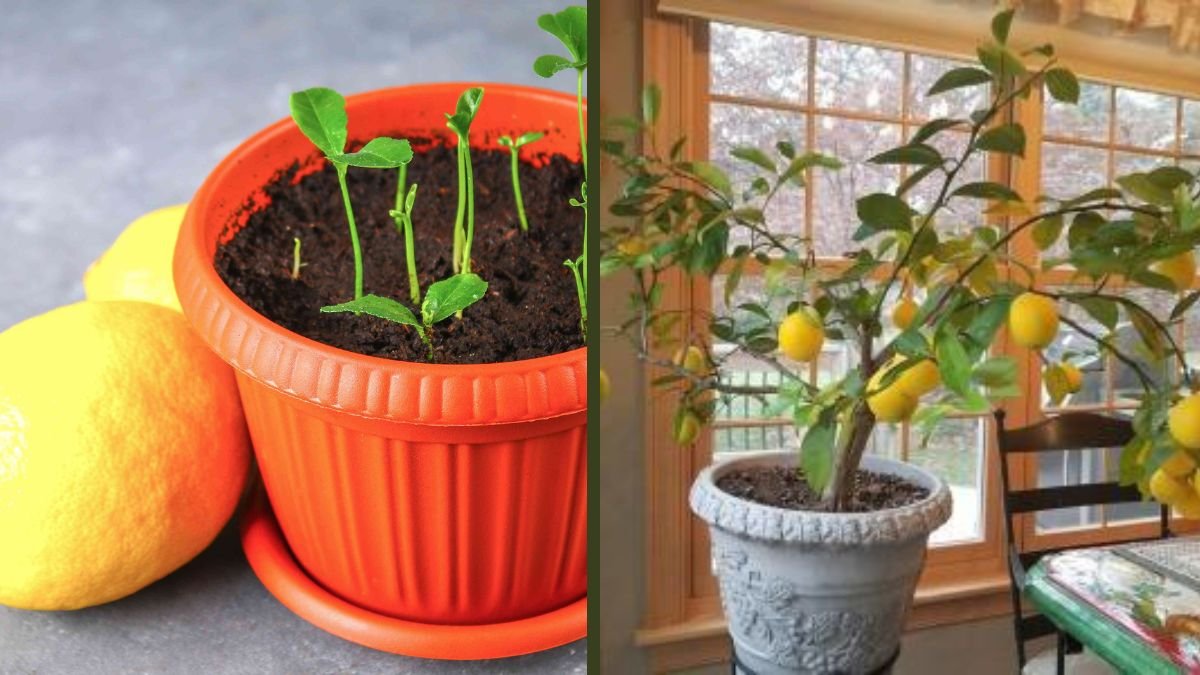

Introduction to Growing Lemons from Seeds
Growing lemons from seeds is often considered slow and uncertain, but with the right technique it becomes rewarding and enjoyable. Many gardeners throw away lemon seeds without realizing their potential. Lemon plants grown from seeds adapt well to local climate. They develop strong root systems naturally. This method is cost-free and perfect for beginners. Watching a tree grow from seed gives deep satisfaction. With patience and care, seed-grown lemons can thrive beautifully. This complete guide explains everything clearly.
Why Choose Seed-Grown Lemon Plants
Seed-grown lemon trees are hardy and long-living. They develop stronger roots than grafted plants. These plants adapt well to soil and climate. They are resistant to stress once established. Although fruiting may take time, quality improves with age. Seed plants are ideal for learning plant care. They are economical and easily accessible. Growing from seed builds gardening confidence.
Selecting the Right Lemon for Seeds
Always choose fresh, healthy lemons. Prefer locally grown fruits. Avoid store-bought lemons treated with chemicals. Seeds from ripe fruits germinate better. Bigger lemons usually contain stronger seeds. Fresh seeds should be used immediately. Dry seeds lose viability. Proper selection ensures successful germination.
Extracting and Cleaning Lemon Seeds
Cut the lemon carefully and remove seeds gently. Avoid damaging the seed coat. Wash seeds to remove pulp completely. Pulp left on seeds causes fungal growth. Clean seeds improve germination speed. Use clean water only. Do not dry seeds fully. Immediate planting is best.
The Amazing Germination Technique Explained
The secret technique involves pre-sprouting seeds. Wrap seeds in moist tissue or cloth. Keep in a warm place for a few days. Seeds swell and crack open. This confirms viability before planting. Pre-sprouting reduces failure. It speeds up early growth. This step makes the method amazing.
Choosing the Best Soil for Lemon Seeds
Lemon seeds need loose, well-drained soil. Mix garden soil, sand, and compost. Avoid heavy clay soil. Soil must retain moisture lightly. Good drainage prevents root rot. Healthy soil encourages fast root development. Sterile soil reduces disease risk. Soil quality decides early success.
Selecting Pots and Containers
Small pots or recycled containers work well. Ensure drainage holes at the bottom. Avoid very large pots initially. Proper container size prevents overwatering. Clay or plastic pots both work. Clean containers reduce infection risk. Container choice affects seedling health.
Planting Lemon Seeds Correctly
Plant seeds one inch deep. Cover lightly with soil. Do not press soil too hard. Water gently after planting. Maintain moist soil. Avoid flooding. Proper planting depth ensures easy sprouting. Gentle handling is important.
Watering Schedule for Seedlings
Keep soil consistently moist. Water lightly every day or alternate days. Avoid waterlogging. Too much water kills seedlings. Dry soil stops germination. Balance is essential. Morning watering works best. Moisture control is crucial.
Sunlight Requirements for Young Plants
Lemon seedlings need indirect sunlight. Direct harsh sun damages tender leaves. Place near bright window or shaded outdoor area. Gradually increase sunlight exposure. Proper light encourages strong stems. Lack of light causes weak growth. Controlled sunlight ensures healthy plants.
Transplanting Lemon Seedlings
Transplant when seedlings have four to six leaves. Choose a slightly bigger pot. Handle roots gently. Avoid damaging root ball. Water immediately after transplanting. Transplanting reduces overcrowding. Healthy movement boosts growth.
Feeding Lemon Plants Naturally
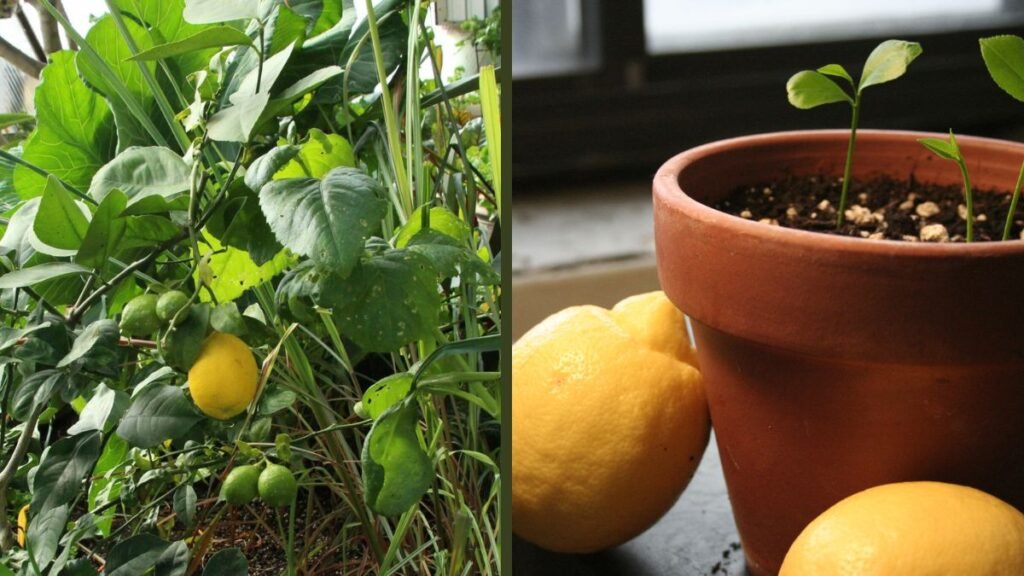
Young lemon plants need light feeding. Compost tea works well. Cow dung slurry diluted in water is effective. Feed once every two weeks. Avoid chemical fertilizers early. Natural feeding strengthens roots. Balanced nutrition improves leaf color.
Pruning and Training Young Lemon Trees
Light pruning encourages branching. Remove weak or damaged shoots. Pruning improves air circulation. Shape the plant early. Avoid heavy pruning in early stage. Training creates strong structure. Good shape supports future fruiting.
Common Problems and Their Solutions
Yellow leaves indicate nutrient deficiency. Slow growth suggests poor soil. Leaf curling means water stress. Pests are rare in early stage. Neem spray works well. Early observation prevents damage. Lemon plants communicate clearly.
Time Taken for Lemon Trees to Fruit
Seed-grown lemons take patience. Fruiting may start after four to six years. Proper care reduces waiting time. Healthy growth leads to better yield. Quality improves with maturity. Long-term care is rewarding.
Care During Different Seasons
Protect plants from extreme cold. Reduce watering in winter. Increase water in summer carefully. Mulching helps temperature control. Seasonal care ensures survival. Understanding climate improves results.
Advantages of Growing Lemons from Seeds
Cost-free planting method. Strong root development. Climate-adaptive plants. Learning experience for gardeners. Sustainable and natural. Long-term satisfaction. Ideal for home gardens.
Comparison Table: Seed vs Grafted Lemon Plants
| Aspect | Seed Grown Lemon | Grafted Lemon |
|---|---|---|
| Cost | Very Low | Higher |
| Root Strength | Very Strong | Moderate |
| Fruiting Time | Longer | Shorter |
| Lifespan | Long | Medium |
| Beginner Friendly | Very Good | Good |
Sustainability and Home Gardening Benefits
Growing from seed reduces waste. Encourages self-sufficiency. Promotes organic habits. Reduces dependency on nurseries. Eco-friendly practice. Perfect for home gardeners.
Conclusion
Growing lemons from seeds is a slow but deeply rewarding journey. With the amazing pre-sprouting technique and proper care, success becomes easier. This complete guide proves that patience and simple methods can create healthy lemon trees at home.