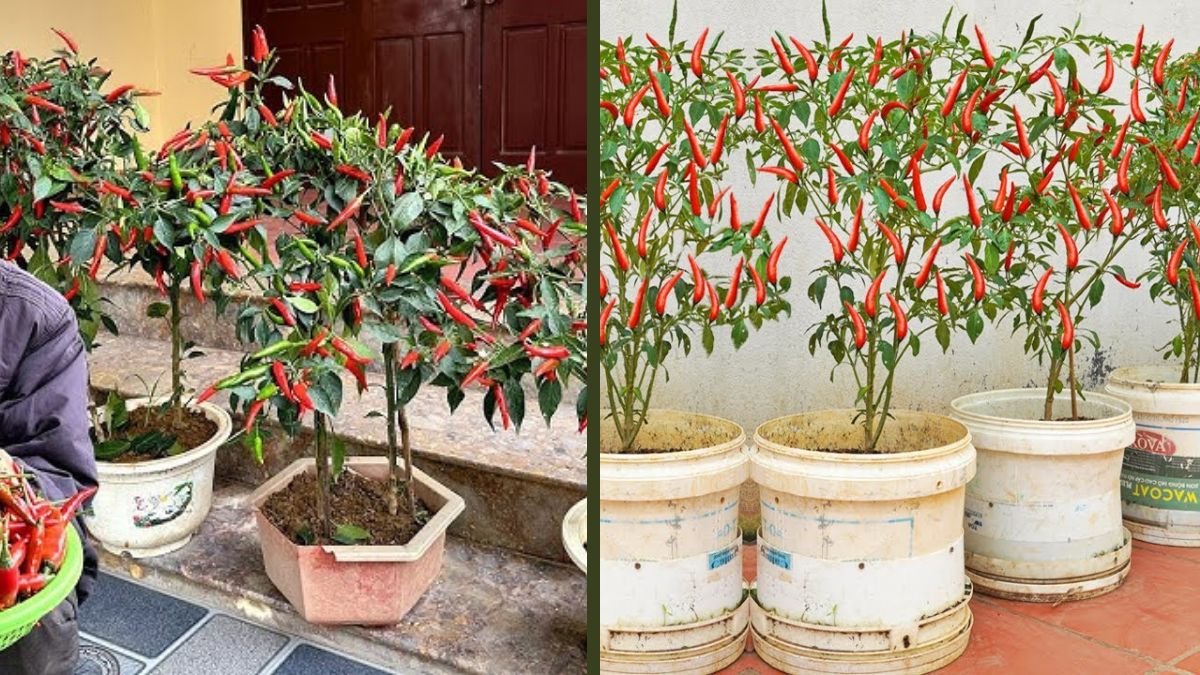

Paragraph 1: Introduction to High-Yield Chili Plants
Chili plants are one of the most productive vegetable crops in the world. Some special varieties can produce hundreds of fruits from a single plant. Gardeners are often surprised by the sheer number of chilies harvested. Proper cultivation techniques make this possible. Climate, soil, and pruning play vital roles. With the right care, chili plants become extremely productive. This article reveals the secrets behind maximum chili harvests. Even home gardeners can achieve record yields.
Paragraph 2: What Makes a Chili Plant High Yielding
High-yield chili plants have strong branching habits. They produce more flowering nodes. Healthy roots support heavy fruit loads. Genetics also play an important role. Proper nutrition enhances fruit formation. Stress-free growing conditions improve yield. Consistent care results in continuous flowering. Yield depends on both variety and management.
Paragraph 3: Best Chili Varieties for Maximum Fruits
Some chili varieties are known for extreme productivity. Small-fruited chilies often produce more numbers. Hybrid varieties offer uniform fruiting. Local climate-adapted varieties perform better. Seed quality influences plant strength. Disease-resistant varieties last longer. Choosing the right variety is the first step. High yield begins with proper selection.
Paragraph 4: Ideal Climate for Heavy Chili Fruiting
Chili plants love warm temperatures. Moderate humidity supports flowering. Excessive cold slows fruiting. Extreme heat causes flower drop. Stable climate improves fruit retention. Proper airflow reduces disease risk. Seasonal planning increases yield. Climate control is essential for success.
Paragraph 5: Soil Preparation for Record Harvests
Loose, fertile soil encourages deep roots. Organic matter improves soil structure. Compost enhances nutrient availability. Good drainage prevents root rot. Neutral soil pH supports nutrient uptake. Healthy soil equals healthy plants. Strong roots support more fruits. Soil preparation determines final yield.
Paragraph 6: Seedling Preparation and Transplanting
Strong seedlings lead to productive plants. Use healthy, disease-free seedlings. Harden seedlings before transplanting. Plant at proper spacing. Avoid root disturbance. Water immediately after planting. Early care ensures fast establishment. Strong beginnings lead to heavy harvests.
Paragraph 7: Spacing for Maximum Branching
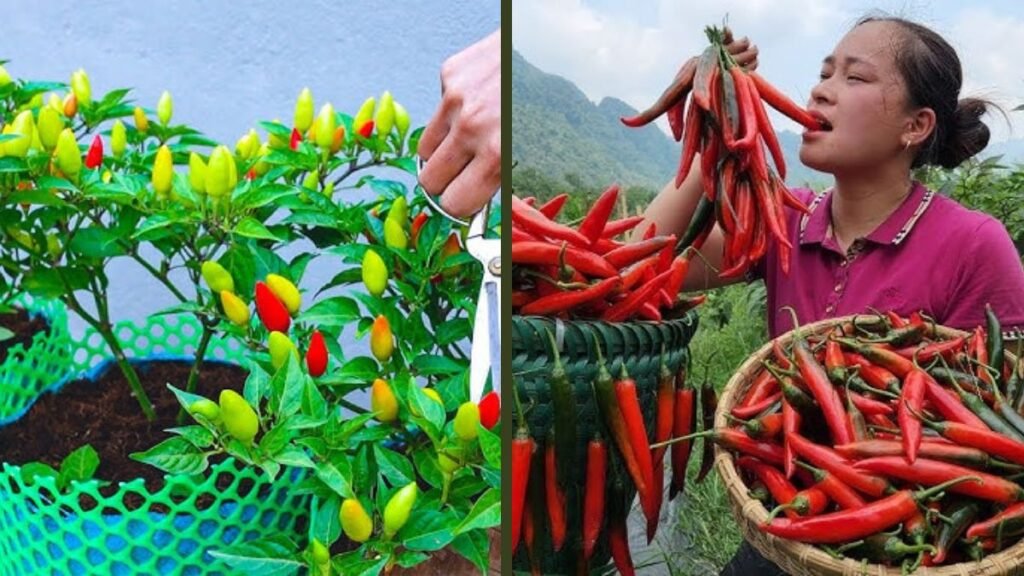
Overcrowding reduces fruit count. Adequate spacing promotes branching. Each branch produces flowers. Better airflow reduces disease. Sunlight reaches all parts. Spacious plants grow stronger. Proper spacing increases fruit numbers. Space equals productivity.
Paragraph 8: Watering Techniques for Continuous Fruiting
Chili plants need consistent moisture. Irregular watering causes flower drop. Deep watering strengthens roots. Avoid waterlogging soil. Morning watering is best. Mulching conserves moisture. Balanced watering supports fruit growth. Water management boosts yield.
Paragraph 9: Fertilization Strategy for High Yield
Nitrogen supports vegetative growth initially. Phosphorus boosts flowering. Potassium improves fruit size and number. Organic fertilizers release nutrients slowly. Avoid excessive chemical fertilizers. Regular feeding maintains productivity. Nutrient balance is critical. Proper feeding maximizes harvest.
Paragraph 10: Pruning for More Chilies
Pruning encourages branching. Remove early flowers initially. Pinch weak shoots. Focus energy on strong branches. Improved airflow reduces pests. Controlled growth increases fruiting sites. Pruning increases yield dramatically. Smart pruning transforms productivity.
Paragraph 11: Flowering and Fruit Set Management
Healthy flowers lead to heavy fruiting. Avoid stress during flowering. Adequate nutrients prevent flower drop. Natural pollination improves fruit set. Light shaking improves pollination indoors. Stable environment supports fruit formation. Flower care determines harvest size. Attention during flowering is crucial.
Paragraph 12: Pest and Disease Control
Aphids and mites affect chili plants. Neem oil controls pests naturally. Remove infected leaves early. Maintain garden hygiene. Healthy plants resist diseases better. Avoid excessive moisture. Prevention saves yield. Early control protects fruits.
Paragraph 13: Supporting Heavy Fruit Load
High-yield plants need support. Use stakes or trellis. Heavy fruits can bend branches. Supporting prevents breakage. Upright plants receive more sunlight. Support improves airflow. Strong plants hold more fruits. Simple support increases harvest success.
Paragraph 14: Growth Stages and Yield Timeline
Chili plants flower within weeks. Fruiting continues for months. Harvesting stimulates new flowers. Long harvesting period increases yield. Regular care extends plant life. Mature plants produce continuously. Understanding stages improves planning. Patience brings rewards.
Paragraph 15: Harvesting Techniques
Harvest chilies regularly. Use clean scissors. Early harvesting boosts further fruiting. Avoid pulling fruits harshly. Morning harvest preserves freshness. Continuous harvesting increases yield. Gentle handling prevents plant damage. Proper harvest methods matter.
Paragraph 16: Post-Harvest Care
Continue watering after harvest. Feed plants lightly. Remove old branches. Encourage new growth. Plants can produce multiple cycles. Post-harvest care extends productivity. Healthy plants keep fruiting. Do not neglect after harvest.
Paragraph 17: Table – High-Yield Chili Growing Guide
Table: Chili Plant Maximum Yield Essentials
Aspect | Recommended Practice
Variety | High-branching hybrid
Soil | Loose and organic-rich
Watering | Regular and balanced
Fertilizer | Potassium-rich feeding
Spacing | Adequate plant distance
Harvesting | Frequent and gentle
Paragraph 18: Growing Chilies in Containers
Containers can also yield heavily. Use large pots. Ensure good drainage. Feed regularly. Place in full sunlight. Containers allow better control. Ideal for small spaces. High yield is still possible.
Paragraph 19: Common Mistakes Reducing Yield
Overwatering causes root issues. Excess nitrogen reduces fruits. Ignoring pruning limits branching. Poor spacing lowers yield. Late pest control damages flowers. Avoiding mistakes improves results. Experience teaches improvement. Observation is key.
Paragraph 20: Conclusion
Chili plants can produce an unbelievable number of fruits. Proper variety selection and care are essential. Balanced nutrition and pruning increase yield. Consistent harvesting keeps plants productive. Even home gardeners can achieve record harvests. Apply these techniques patiently. Enjoy abundant chilies throughout the season. High yield is achievable with dedication.