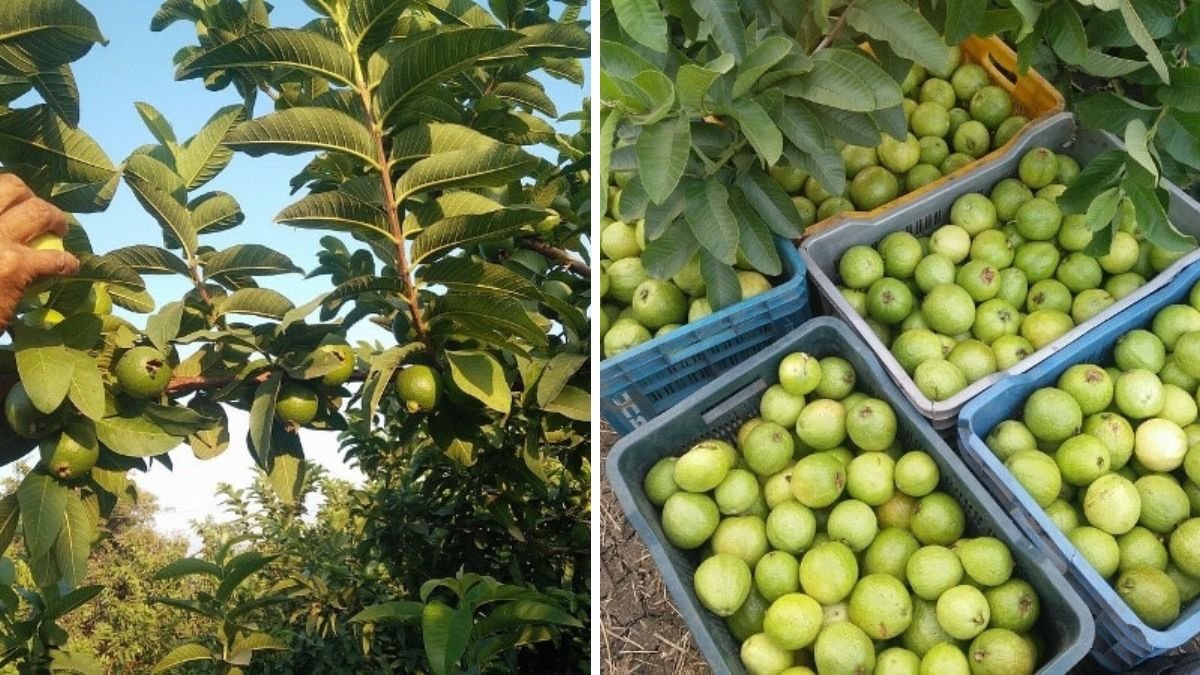

Guava side grafting is one of the most effective vegetative propagation methods used in guava cultivation. It helps farmers reproduce high-quality guava varieties with consistent fruit traits. This technique is widely practiced due to its simplicity and high success rate. Side grafting allows strong union formation while keeping the rootstock intact. Guava plants propagated through grafting bear fruits earlier. This method is ideal for commercial orchards and nurseries. Side grafting ensures true-to-type plants. This article explains guava side grafting in detail.
What Is Guava Side Grafting
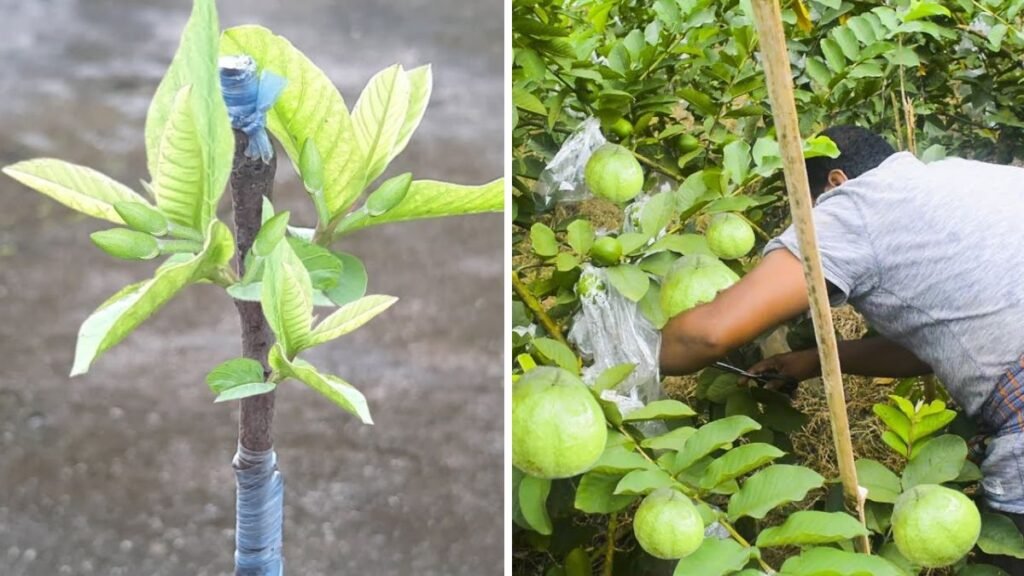
Side grafting involves attaching a scion to the side of a growing rootstock without cutting it completely. The scion is inserted into a side cut made on the rootstock. This allows continuous nutrient flow during healing. Once the graft union is successful, the top of the rootstock is removed. This technique ensures better survival. Side grafting is less stressful for plants. It is suitable for guava propagation. Farmers prefer it due to high reliability.
Importance of Side Grafting in Guava
Side grafting helps multiply superior guava varieties efficiently. It ensures uniform fruit quality. Disease-free plants can be produced easily. The technique reduces crop failure risks. Early fruiting improves profitability. Orchard management becomes easier. Consistent growth improves yield planning. Side grafting supports commercial guava farming. It is widely adopted by nurseries.
Best Guava Varieties for Side Grafting
Popular guava varieties like Allahabad Safeda, Lucknow-49, Lalit, Shweta, and Red-fleshed guava are suitable. Selection depends on market demand. Climate compatibility is important. Scions must be collected from healthy trees. High-yielding varieties are preferred. Disease resistance improves success. Local improved varieties perform well. Proper variety selection ensures good returns.
Selection of Rootstock for Guava
Healthy rootstock selection is crucial. Seedlings aged six to eight months are ideal. Rootstock should have strong stems. Disease-free plants ensure better success. Well-developed root systems are preferred. Local guava seedlings adapt well. Avoid weak or stressed plants. Strong rootstocks improve graft union strength.
Best Time for Guava Side Grafting
Guava side grafting is best done during active growth periods. In India, February to March and July to September are suitable. Moderate temperature and humidity improve healing. Avoid extreme summer heat. Early morning grafting is ideal. Seasonal timing affects success rate significantly. Correct timing ensures fast union formation.
Tools Required for Side Grafting
Sharp grafting knife is essential. Pruning shears help trimming. Polythene strips are used for tying. Fungicide solution prevents infection. Labels help identification. Clean tools reduce disease risk. Sterilization is necessary. Proper tools improve accuracy. Investment in good tools is worthwhile.
Preparation of Scion for Guava Grafting
Scion should be semi-hardwood. Select shoots with dormant buds. Thickness should match rootstock. Remove leaves carefully. Scion length should be ten to twelve centimeters. Collect from healthy mother plants. Use fresh scions for best results. Proper preparation improves success.
Step-by-Step Guava Side Grafting Method
Make a slanting cut on the side of rootstock. Prepare the scion with a matching cut. Insert the scion into the slit. Ensure cambium contact. Tie firmly using plastic strip. Do not cut rootstock top initially. Keep plant in shade. Monitor graft regularly.
Aftercare of Side Grafted Guava Plants
Protect grafted plants from sun and wind. Water regularly but avoid excess. Spray fungicide after one week. Remove unwanted shoots near graft. Once scion sprouts, cut rootstock top gradually. Support new growth. Proper care ensures high survival. Neglect causes failure.
Healing Process and Success Indicators
Union forms within three weeks. Callus tissue develops. Scion buds start sprouting. Leaves appear healthy. Tie should be loosened later. Strong union ensures long-term growth. Weak grafts must be removed. Healing speed depends on climate. Observation is essential.
Training and Pruning of Grafted Guava
Pruning shapes the plant. Remove extra shoots. Maintain desired height. Training improves air circulation. Balanced canopy increases fruit quality. Regular pruning improves yield. Grafted guava responds well. Proper structure ensures long life. Management becomes easier.
Nutrient Management for Grafted Guava
Apply organic manure regularly. Nitrogen promotes growth. Phosphorus strengthens roots. Potassium improves fruiting. Micronutrients prevent disorders. Avoid excessive fertilizer. Split application is recommended. Balanced nutrition supports productivity.
Common Problems in Guava Side Grafting
Graft failure due to misalignment is common. Dry scions reduce success. Pest attack damages graft. Excess moisture causes rot. Poor aftercare reduces survival. Regular monitoring helps prevention. Use recommended practices. Experience improves outcomes.
Advantages of Guava Side Grafting
High success rate is major advantage. Early fruiting increases profit. Uniform plants are produced. Less stress on rootstock. Simple technique. Suitable for nurseries. Cost-effective method. Widely practiced.
Economic Importance for Farmers
Grafted guava plants fetch better prices. Early harvest increases income. Uniform quality improves market acceptance. Nursery business benefits greatly. Long-term productivity improves. Export potential increases. Side grafting supports commercial farming.
Comparison: Seedling vs Side Grafted Guava
| Aspect | Seedling Guava | Side Grafted Guava |
|---|---|---|
| Fruiting Time | Late | Early |
| Uniformity | Low | High |
| Yield | Variable | Consistent |
| Disease Control | Low | Better |
| Profitability | Moderate | High |
Suitability for Different Farming Systems
Side grafting suits backyard gardens and orchards. Small farmers benefit from early returns. Commercial farms get uniform produce. Nursery owners rely on it. Adaptable to different soils. Works well in tropical climates. Flexible technique.
Long-Term Maintenance of Grafted Guava
Regular pruning is required. Balanced nutrition supports yield. Pest management is essential. Irrigation should be proper. Replace weak plants early. Maintain soil health. Long-term care ensures sustainability. Healthy trees produce for many years.
Conclusion
Guava side grafting is a reliable and efficient propagation method. It ensures early bearing, uniform quality, and higher yield. With proper technique and care, success rates are high. Farmers and nursery owners benefit greatly. This method supports modern guava cultivation. Adopting side grafting improves profitability and sustainability.