
1. Introduction to Container Papaya
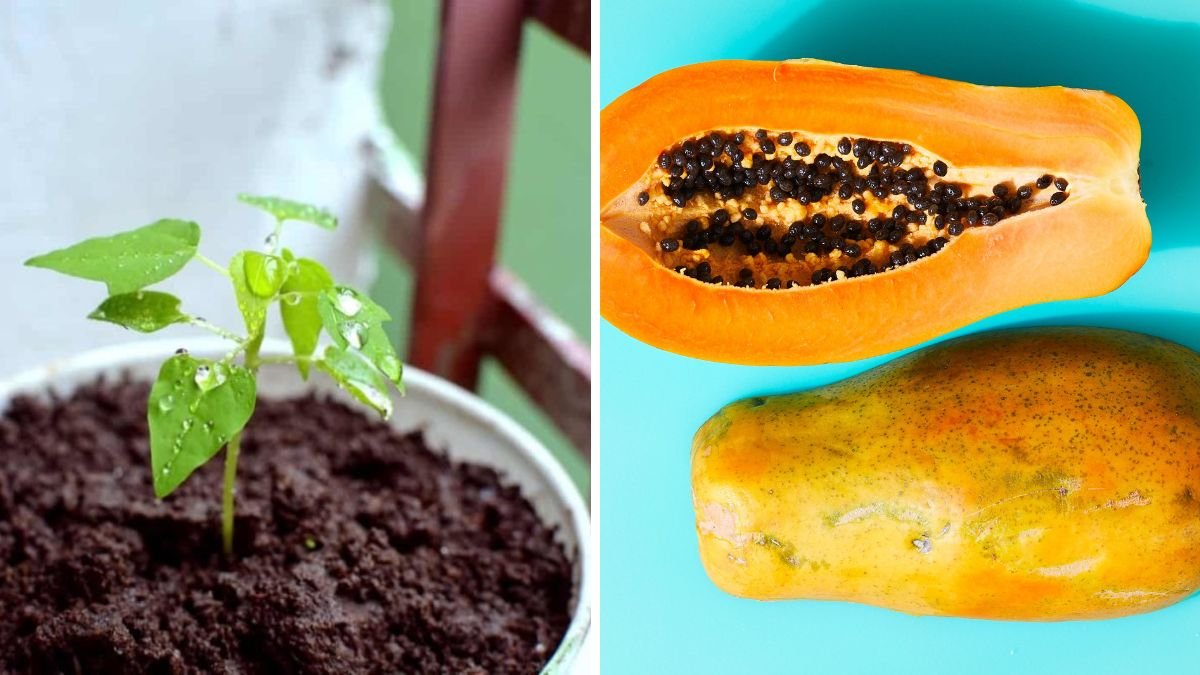
Growing papaya in containers is convenient for small spaces. Seed propagation is cost-effective and rewarding. Container-grown papayas can thrive on terraces, balconies, or patios. Proper care ensures healthy growth and abundant fruits. Home gardeners prefer seed-grown plants for freshness and variety. Container cultivation provides control over soil, water, and sunlight. Papayas can flower and fruit in one year. This guide simplifies the process for beginners.
2. Papaya Seed Selection
Select high-quality seeds from ripe fruits. Fresh seeds germinate better than older ones. Choose disease-free fruits. Label seeds for variety tracking. Seed quality affects plant vigor and fruit yield. Store seeds in cool, dry conditions before sowing. Selecting seeds from dwarf or hermaphrodite fruits improves results. Early attention sets growth potential.
3. Seed Preparation
Soak seeds in water for twenty-four hours. Scrape off the gelatinous coating. Dry lightly before sowing. Warm, moist soil aids germination. Avoid direct sunlight at this stage. Proper preparation enhances sprouting rates. Healthy seedlings develop from well-prepared seeds. Attention to detail increases survival rate.
4. Germination Process
Plant seeds in well-draining soil trays. Maintain temperature around twenty-five degrees Celsius. Keep soil moist but not waterlogged. Germination occurs within one to two weeks. Remove weak seedlings. Light shade prevents sunburn. Transplant strong seedlings to containers after root development. Early care determines plant vigor.
5. Container Selection
Choose containers with adequate drainage. Size should accommodate root growth. Plastic, ceramic, or fabric pots are suitable. Large containers support fruiting and growth. Place on raised platforms for airflow. Containers must allow frequent inspection. Proper container selection supports healthy development. Mobility helps optimize sunlight exposure.
6. Soil Mix for Containers
Use well-draining potting mix with organic compost. Mix sand and perlite for aeration. Slightly acidic to neutral pH is ideal. Fertile soil encourages flowering and fruiting. Avoid heavy clay or compacted mixes. Proper nutrition ensures rapid growth. Regular top dressing maintains soil health. Healthy soil supports container success.
7. Planting Seedlings
Transplant seedlings carefully to containers. Avoid disturbing roots. Backfill with prepared soil. Water immediately after planting. Apply light mulch around the base. Position in sunlight. Ensure drainage is unobstructed. Proper transplanting reduces stress and promotes growth.
8. Sunlight Requirements
Papaya requires at least six hours of full sun daily. Container plants can be moved to optimize light. Partial shade helps young seedlings. Sunlight affects photosynthesis and fruit quality. Insufficient light reduces flowering. Positioning is important for terrace or balcony growth. Adequate exposure improves yield. Monitor seasonal changes.
9. Watering Practices
Young seedlings need frequent watering. Avoid waterlogging to prevent root rot. Drip irrigation or bottom watering is ideal. Mature plants require moderate, consistent moisture. Mulching reduces evaporation. Seasonal adjustments ensure optimal growth. Balanced watering supports flowering and fruit development. Proper irrigation prevents stress.
10. Fertilization
Apply organic compost or slow-release fertilizer. Nitrogen encourages foliage; potassium and phosphorus improve flowering and fruiting. Avoid excessive nitrogen, which elongates stems. Fertilize every four to six weeks. Monitor leaf color for nutrient deficiency. Balanced feeding improves fruit quality. Fertilization enhances container-grown growth.
11. Pruning for Container Plants
Light pruning controls plant size. Remove dead or overcrowded branches. Maintain a compact canopy. Pruning improves airflow and reduces disease risk. Regular trimming promotes flowering. Avoid excessive pruning that reduces fruiting. Pruning supports container management. Dwarfing can be achieved through consistent pruning.
12. Flowering
Papaya flowers in one year under optimal conditions. Hermaphrodite varieties are preferred for container growth. Flowers appear along the main trunk. Leaf and nutrient health affect bloom density. Early flowering enables quicker harvest. Observation ensures timely pollination. Flower health predicts fruit yield. Container plants may flower earlier due to controlled conditions.
13. Pollination
Papayas can self-pollinate if hermaphrodite. Bees and wind assist natural pollination. Manual pollination increases fruit set in isolated containers. Flower timing is crucial. Healthy blooms yield better fruits. Avoid pesticide application during flowering. Proper pollination ensures uniform fruits. Consistency improves harvest.
14. Fruit Development
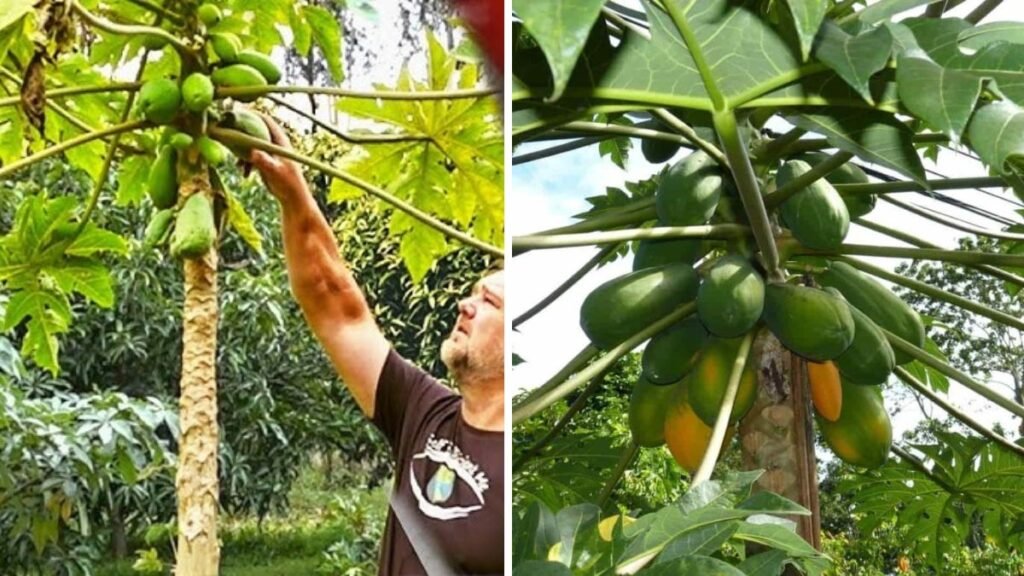
Fruits develop gradually along trunk and branches. Container plants produce small to medium fruits. Adequate water and nutrition are essential. Stress may lead to fruit drop. Fruit clusters are common. Monitor size and color for harvest readiness. Patience ensures optimal flavor. Development stage determines quality.
15. Pest and Disease Management
Aphids, fruit flies, and mites are common pests. Organic sprays like neem oil are effective. Maintain cleanliness around containers. Proper airflow prevents fungal issues. Early detection avoids crop loss. Healthy plants resist infestation. Preventive care ensures success. Container-grown plants require frequent monitoring.
16. Harvesting
Fruits are ready when fully colored. Container plants allow easy hand-picking. Harvest frequently to encourage new fruit. Timing affects sweetness and flavor. Use gentle handling to avoid bruising. Harvest intervals maintain productivity. Post-harvest handling preserves quality. Correct timing ensures maximum yield.
17. Post-Harvest Handling
Wash fruits gently after picking. Store in cool, ventilated areas. Consume or process promptly. Fruits can be used for juice, jams, or raw consumption. Avoid prolonged storage in humid conditions. Proper handling maintains taste and nutrition. Packaging improves marketability. Post-harvest care preserves container-grown fruit quality.
18. Economic and Health Benefits
Homegrown papayas provide fresh, nutrient-rich fruits. Container cultivation reduces space limitations. Organic fruits offer health advantages. Continuous harvest increases availability. Economic potential exists in selling excess fruits. Home-grown papayas reduce grocery dependence. Small-scale cultivation supports sustainability. Benefits extend to health, taste, and income.
19. Tips for Successful Container Growth
Use high-quality seeds or seedlings. Monitor watering and nutrition carefully. Prune regularly to maintain size. Ensure adequate sunlight exposure. Protect from pests and disease. Use large containers for optimal root development. Rotate pots for uniform growth. Consistent care guarantees success.
20. Conclusion
Growing papaya from seeds in containers is accessible and rewarding. Proper soil, sunlight, and watering ensure robust growth. Flowering, pollination, and fruit development stages are critical. Dwarfing techniques and pruning manage plant size. Container-grown papayas produce nutritious, delicious fruits. Home gardeners can enjoy fresh harvest year-round. Patience and knowledge guarantee success. Container cultivation maximizes space and yield.
📊 Table: Container Papaya Growing Summary
| Aspect | Requirement | Benefit |
|---|---|---|
| Soil | Well-draining with compost | Healthy roots and rapid growth |
| Sunlight | Full sun, six hours daily | Promotes flowering and fruiting |
| Water | Regular but not excessive | Prevents stress and fruit drop |
| Fertilization | Balanced nutrients | Enhances fruit size and sweetness |