

Introduction to Cactus Fruit
Cactus fruit, commonly known as prickly pear, is a nutritious desert delicacy. It grows on certain cactus species in arid regions. The fruit is colorful, sweet, and refreshing. For centuries, cultures have valued it for food and medicine. Preparing cactus fruit requires care due to tiny spines. Once prepared, it offers many culinary uses. Rich in vitamins and antioxidants, it supports health. Learning preparation unlocks its benefits.
What Is Cactus Fruit
Cactus fruit grows from pads of prickly pear cactus. The fruit varies in color from green to deep red. It contains edible flesh and small seeds. The outer skin has fine spines called glochids. Proper handling removes irritation risk. The fruit ripens in warm seasons. Flavor resembles watermelon and berries. Understanding fruit anatomy ensures safe preparation.
Nutritional Benefits of Cactus Fruit
Cactus fruit is rich in vitamin C. It contains fiber for digestion. Antioxidants support immune health. Low in calories, it suits healthy diets. Minerals support hydration. Seeds provide healthy fats. Regular consumption improves wellness. Nutritional value makes it popular globally.
Harvesting Cactus Fruit Safely
Harvest ripe fruits using gloves. Use tongs to avoid spines. Fruits detach easily when ripe. Avoid damaged or overripe fruits. Early morning harvest preserves freshness. Handle gently to prevent bruising. Proper harvesting ensures quality. Safety precautions prevent injury.
Removing Spines Effectively
Spines must be removed before consumption. Use a knife to trim ends. Rinse under running water. Peeling removes remaining glochids. Flame burning is another method. Always wear gloves. Proper cleaning ensures safety. Thorough removal prevents irritation.
Peeling the Cactus Fruit
Slice both ends of the fruit. Cut a slit along the skin. Peel away outer layer carefully. The inner flesh should remain intact. Discard the skin safely. Peeling reveals vibrant pulp. Clean technique preserves texture. Proper peeling improves taste.
Preparing Cactus Fruit for Eating
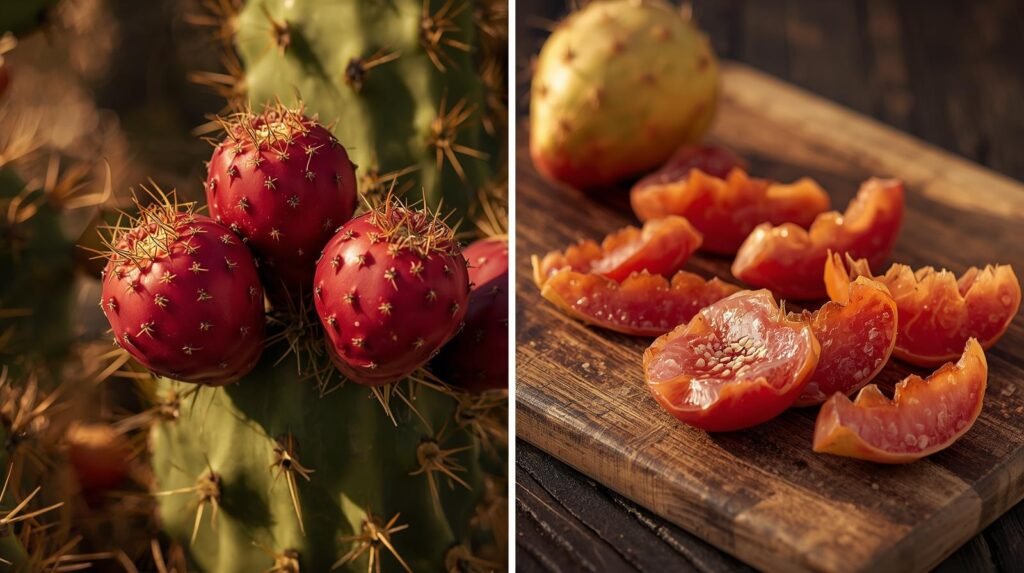
The fruit can be eaten raw. Slice into cubes or rounds. Remove large seeds if desired. Chill for refreshing taste. Sprinkle lemon juice for flavor. Simple preparation highlights natural sweetness. Minimal processing retains nutrients. Fresh consumption is popular.
Making Cactus Fruit Juice
Blend peeled fruit until smooth. Strain to remove seeds. Add water or citrus juice. Chill before serving. Juice is refreshing and hydrating. Natural sugars provide energy. Avoid excessive sweeteners. Fresh juice preserves nutrients.
Cooking with Cactus Fruit
Cactus fruit is used in jams and syrups. Cooking enhances sweetness. Simmer with sugar and lemon. Use as dessert topping. Culinary versatility is wide. Traditional recipes vary by culture. Cooking extends shelf life. Flavor pairs well with desserts.
Storing Cactus Fruit
Store unpeeled fruit in the refrigerator. Use within a week. Peeled fruit should be consumed quickly. Freezing pulp extends usability. Proper storage prevents spoilage. Avoid moisture buildup. Storage affects flavor quality. Freshness matters.
Health Precautions
Excess consumption may affect digestion. Seeds can cause discomfort for some. Always remove spines thoroughly. Allergic reactions are rare. Moderation is recommended. Clean preparation prevents issues. Consult health advice if needed. Safety ensures enjoyment.
Cultural Uses of Cactus Fruit
Used in traditional medicine. Common in Mexican cuisine. Used in drinks and candies. Symbol of desert resilience. Cultural significance is strong. Recipes passed through generations. Represents sustainable food. Cultural heritage enhances value.
Economic Importance
Cactus fruit farming supports livelihoods. Low water requirements reduce costs. Growing demand increases value. Export markets are expanding. Processing adds income opportunities. Sustainable crop option. Economic benefits are significant. Desert agriculture potential is high.
Environmental Benefits
Cactus requires minimal water. Prevents soil erosion. Supports biodiversity. Thrives in harsh climates. Low environmental impact. Sustainable food source. Climate-resilient crop. Environmental value is substantial.
Common Preparation Mistakes
Skipping spine removal causes irritation. Using dull knives damages fruit. Overcooking reduces nutrients. Improper storage leads to spoilage. Rushing preparation increases risk. Careful handling prevents problems. Awareness improves results. Experience builds skill.
Cactus Fruit Preparation Table
Aspect
Best Practice
Harvesting
Use gloves and tongs
Cleaning
Remove spines thoroughly
Peeling
Cut ends and slit skin
Consumption
Fresh or cooked
Storage
Refrigerated or frozen
Safety
Avoid spines and excess intake
Who Should Try Cactus Fruit
Health-conscious individuals benefit most. Adventurous eaters enjoy unique flavor. Vegetarians appreciate nutrition. Diabetics may benefit from fiber. Athletes enjoy hydration benefits. Culinary enthusiasts explore recipes. Desert communities rely on it. Many can enjoy safely.
Conclusion
Cactus fruit is a valuable desert treasure. Proper preparation ensures safety and enjoyment. Nutritional benefits support health. Culinary uses are diverse. Sustainable growth adds environmental value. Learning preparation unlocks benefits. Cultural importance enriches experience. Cactus fruit deserves appreciation.