
Introduction: Why Early Termite Detection Is Crucial
Termites cause serious damage if left unnoticed. Gardens often hide early warning signs. These pests attack wood and plant materials silently. Early detection prevents costly destruction. Garden structures are especially vulnerable. Termites weaken soil stability. Damage spreads quickly once established. Awareness saves time and money. Vigilance protects gardens effectively.
Understanding Termites and Their Behavior
Termites live in colonies underground. They feed on cellulose materials. Moist environments attract them. Gardens provide ideal conditions. Termites work silently and continuously. They avoid light exposure. Understanding behavior helps detection. Knowledge supports prevention strategies. Awareness is essential.
Why Gardens Attract Termites
Moist soil attracts termites naturally. Mulch provides food sources. Wooden garden beds invite infestation. Decaying plant matter increases risk. Poor drainage encourages termites. Warm climates favor colony growth. Gardens offer shelter. Preventive care reduces attraction.
Early Signs of Termites in Garden Soil
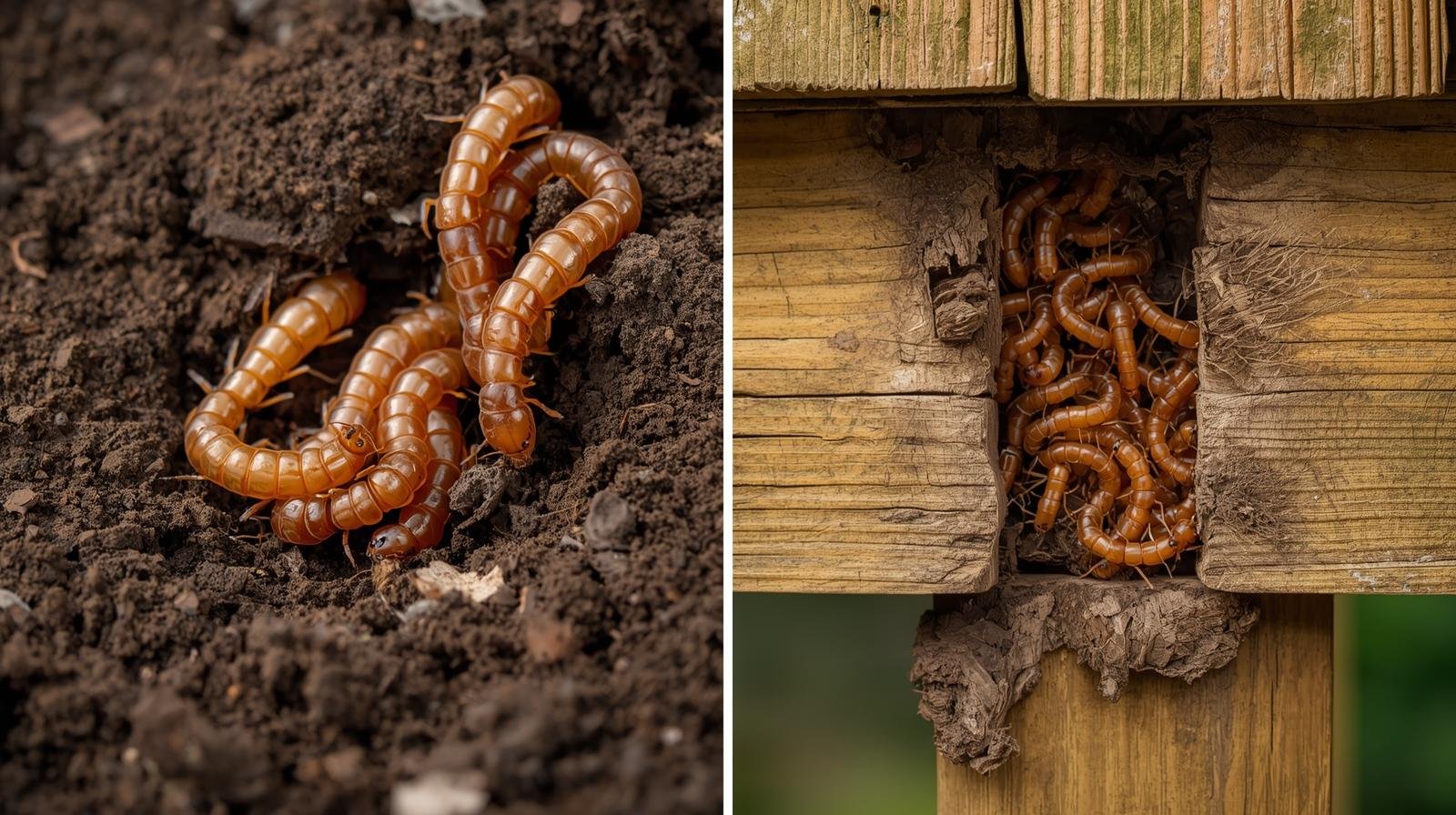
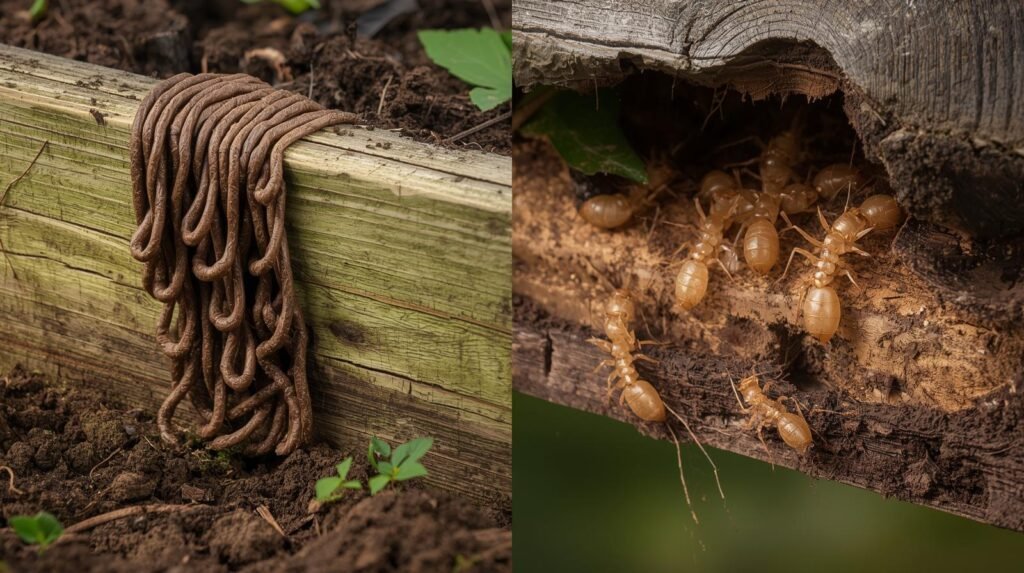
Small mud tubes indicate termite presence. Soil tunnels appear near structures. Hollow sounds in wood signal damage. Uneven soil surfaces may appear. Termites disturb soil structure. Mud patches near wood are warning signs. Early signs are subtle. Observation prevents spread.
Mud Tubes: A Major Warning Sign
Mud tubes protect termites from light. They appear on walls or wood. Tubes connect soil to food sources. Breaking tubes reveals activity. Presence indicates active infestation. Mud tubes are common early signs. Regular inspection helps detection. Immediate action is required.
Damage to Wooden Garden Structures
Raised beds show weakening boards. Fence posts become hollow. Pergolas lose strength. Wooden borders deteriorate quickly. Damage may appear minimal initially. Tapping reveals hollow sound. Structural weakness increases rapidly. Early repair prevents collapse.
Signs of Termites Around Plant Roots
Termites may attack plant roots. Wilting plants appear without cause. Roots become damaged underground. Nutrient uptake is affected. Plants decline unexpectedly. Soil disturbance is visible. Root damage spreads quickly. Healthy plants suddenly suffer.
Presence of Winged Termites
Winged termites indicate colony expansion. They appear during warm seasons. Swarms occur near soil and wood. Wings shed near entry points. This signals mature colonies. Immediate attention is necessary. Swarming is a serious warning. Early response limits damage.
Differences Between Termites and Ants
Termites have straight antennae. Ants have bent antennae. Termite wings are equal length. Ant wings differ in size. Termites prefer moist areas. Misidentification delays action. Correct identification is crucial. Knowledge prevents confusion.
Inspecting Garden Beds for Termites
Check wooden frames regularly. Look for soil contact points. Inspect damp corners. Use flashlight for visibility. Probe wood gently. Check mulch layers. Routine inspection prevents infestation. Consistency is key.
Termite Damage vs Rot Damage
Rot occurs due to moisture. Termite damage creates tunnels. Rot softens wood evenly. Termites hollow wood internally. Both weaken structures. Correct diagnosis matters. Treatment methods differ. Proper identification saves resources.
Natural Termite Prevention in Gardens
Reduce excess moisture. Improve drainage systems. Use termite-resistant materials. Remove decaying wood. Apply beneficial nematodes. Keep mulch away from structures. Prevention reduces infestation risk. Natural methods work well.
Chemical Termite Control Options
Chemical treatments act quickly. Soil treatments block colonies. Baits target termite populations. Professional application is recommended. Safety precautions are essential. Chemicals provide long-term protection. Use responsibly. Effectiveness depends on proper use.
When to Call a Professional
Large infestations require experts. Structural damage needs assessment. Professionals locate colonies accurately. Treatment ensures complete elimination. DIY methods may fail. Early professional help saves costs. Expertise ensures safety. Serious cases need intervention.
Preventing Termite Return
Maintain dry soil conditions. Inspect regularly. Replace damaged wood. Improve ventilation. Use treated materials. Ongoing prevention is essential. Vigilance protects gardens. Prevention is continuous.
Seasonal Termite Activity Awareness
Spring brings increased activity. Warm weather supports swarming. Rainy seasons raise risk. Seasonal checks are important. Timing affects detection. Awareness improves prevention. Seasonal planning protects gardens.
Impact of Termites on Garden Health
Soil stability decreases. Plant roots suffer damage. Structures weaken over time. Garden productivity declines. Repair costs increase. Early action prevents loss. Garden health depends on prevention. Termite control is essential.
Common Mistakes in Termite Detection
Ignoring subtle signs causes spread. Misidentifying pests delays action. Skipping inspections invites infestation. Overlooking soil moisture increases risk. Delayed response worsens damage. Awareness prevents mistakes. Early action is critical.
Long-Term Garden Protection Strategies
Use resistant materials. Maintain proper drainage. Monitor moisture levels. Inspect wooden elements. Practice preventive landscaping. Long-term care ensures safety. Sustainable practices work best.
Table: Early Termite Warning Signs in Gardens
Warning Sign
Mud tubes near wooden structures
Warning Sign
Hollow sound in garden wood
Warning Sign
Winged termites near soil
Warning Sign
Sudden plant wilting without cause