
Introduction: Why Grow Cherry Trees from Seeds
Growing cherry trees from seeds is a rewarding experience for gardeners who enjoy nurturing plants from the very beginning. Unlike buying grafted saplings, planting cherry seeds allows you to witness the entire life cycle of a fruit tree. This method is economical, educational, and ideal for home gardeners with patience. Cherry trees also add beauty to gardens with their blossoms and lush foliage. While seed-grown trees may take longer to bear fruit, the process itself is fulfilling. Understanding the correct steps significantly improves success rates. Proper preparation, climate awareness, and care are crucial. With the right approach, you can grow healthy cherry trees successfully.
Understanding Cherry Seed Viability
Not all cherry seeds germinate easily, and understanding seed viability is essential. Seeds taken from fresh, ripe cherries have higher chances of success. Store-bought cherries are often suitable, but organic cherries are preferable because they are untreated. Viable seeds feel firm and intact. Cracked or shriveled seeds rarely sprout. Seed freshness also matters, as old seeds lose germination power. Knowing which cherry varieties adapt well to your climate improves results. Sweet and sour cherries have different requirements. Choosing the right type is the foundation of successful growth.
Best Cherry Varieties for Seed Planting
Some cherry varieties grow better from seeds than others. Sour cherries are generally more adaptable and cold-hardy. Sweet cherries need specific chilling hours to thrive. Native or locally grown varieties perform best in regional climates. Seed-grown trees may not produce identical fruit, but quality can still be excellent. Backyard gardeners should focus on hardy varieties. Researching local conditions helps narrow down options. Climate compatibility influences flowering and fruiting. Selecting the right variety ensures healthier trees and better yields.
Preparing Cherry Seeds for Germination
Proper preparation dramatically increases germination success. Start by removing seeds from ripe cherries and washing off all pulp. Dry the seeds naturally for a few days. Avoid artificial heat during drying. Once dried, crack the outer shell gently if possible to speed up germination. This step mimics natural conditions. Clean seeds reduce mold risk. Preparation ensures seeds are ready for cold treatment. This stage sets the tone for healthy sprouting.
Cold Stratification: The Key Step
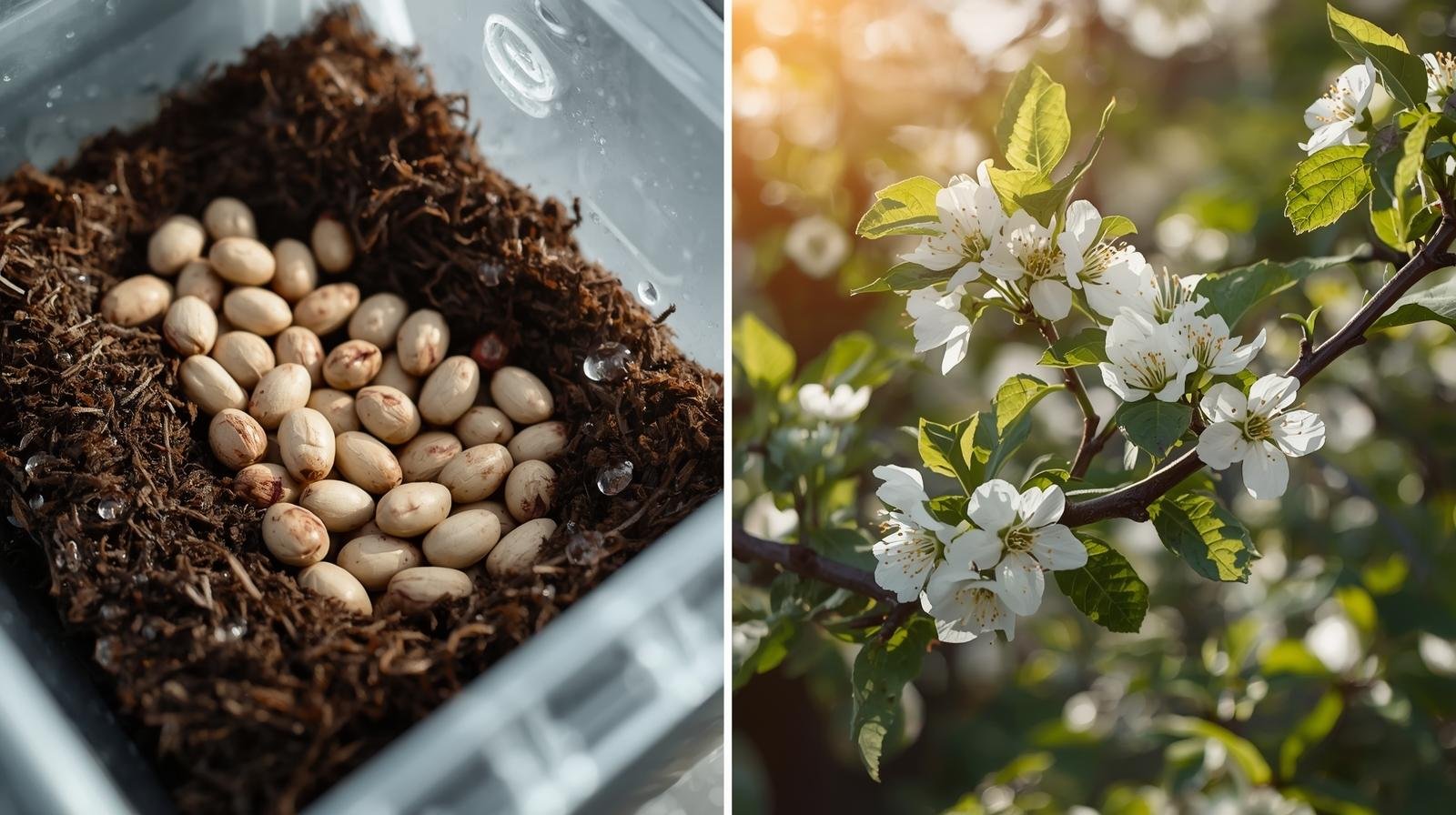
Cherry seeds require cold stratification to break dormancy. Place cleaned seeds in moist sand or peat moss. Store them in a refrigerator for 8 to 12 weeks. The temperature should remain consistently cold but not freezing. This process imitates winter conditions. Regularly check moisture levels to prevent drying or mold. Stratification signals the seed to begin growing. Skipping this step often leads to failure. Cold treatment is crucial for germination success.
When to Plant Cherry Seeds
Timing plays an important role in seed planting. After stratification, plant seeds in early spring. This allows seedlings to establish before summer heat. Indoor planting is ideal in colder regions. Outdoor planting works well in mild climates. Avoid planting during extreme temperatures. Spring provides balanced moisture and warmth. Proper timing improves survival rates. Planning ahead ensures optimal conditions for young plants.
Soil Requirements for Cherry Seedlings
Cherry trees thrive in well-draining soil. Sandy loam enriched with organic matter is ideal. Poor drainage causes root rot and weak growth. Soil pH should be slightly acidic to neutral. Testing soil beforehand helps correct deficiencies. Compost improves nutrient availability. Avoid heavy clay soil unless amended. Healthy soil promotes strong root systems. Soil quality directly impacts long-term tree health.
Planting Cherry Seeds Step by Step

Plant seeds about one inch deep in prepared soil. Space them adequately to allow growth. Water gently after planting to settle soil. Avoid waterlogging. Cover pots with breathable material if indoors. Label each pot for identification. Place containers in a bright location. Consistent care supports germination. Seedlings usually appear within a few weeks.
Watering Requirements for Young Cherry Trees
Proper watering ensures healthy development. Keep soil moist but never soggy. Overwatering suffocates roots and causes disease. Underwatering leads to stress and slow growth. Young seedlings need frequent but light watering. Gradually reduce frequency as roots strengthen. Mulching helps retain moisture. Balanced watering promotes steady growth. Observing soil moisture is key.
Sunlight Needs for Cherry Trees
Cherry trees require ample sunlight for healthy growth. At least six to eight hours of direct sunlight daily is ideal. Insufficient light results in weak stems and fewer leaves. Choose a sunny location early on. Rotate indoor pots for even exposure. Outdoor trees benefit from open spaces. Sunlight encourages photosynthesis and energy storage. Adequate light ensures strong flowering later.
Fertilizing Cherry Seedlings
Young cherry trees benefit from light feeding. Use organic fertilizers or compost tea. Avoid chemical fertilizers during early growth. Overfeeding can burn roots. Apply fertilizer sparingly every few weeks. Focus on balanced nutrients. Healthy feeding supports leaf and root development. Gradual nutrition strengthens the plant naturally.
Transplanting Cherry Seedlings Outdoors
Once seedlings grow several inches tall, transplant them outdoors. Harden off plants gradually to reduce shock. Choose a location with good drainage and sunlight. Dig a wide hole to accommodate roots. Place the seedling gently and backfill soil. Water thoroughly after planting. Mulch around the base. Proper transplanting improves survival rates.
Pruning Young Cherry Trees
Early pruning shapes tree structure. Remove weak or damaged branches. Encourage a strong central leader. Avoid heavy pruning in the first year. Light trimming improves airflow. Proper structure supports fruit production later. Clean tools prevent disease. Thoughtful pruning enhances long-term health.
Protecting Cherry Trees from Pests
Cherry trees attract insects and animals. Use natural pest control methods. Netting protects fruit from birds. Neem oil helps control insects. Regular inspection prevents infestations. Healthy trees resist pests better. Avoid harsh chemicals. Natural methods maintain ecosystem balance. Protection ensures healthy growth.
Common Problems and Solutions
Seed-grown cherry trees may face challenges. Poor germination results from skipped stratification. Yellow leaves indicate nutrient deficiency. Wilting suggests watering issues. Fungal diseases arise from excess moisture. Early detection prevents damage. Adjust care practices promptly. Learning from problems improves future success.
How Long Until Cherry Trees Bear Fruit
Seed-grown cherry trees take patience. Fruiting usually begins after four to seven years. Growth rate depends on care and climate. While waiting, trees provide shade and beauty. Regular maintenance accelerates maturity. The first harvest is especially rewarding. Patience leads to long-term benefits. Fruit quality can be excellent.
Harvesting and Enjoying Homegrown Cherries
Harvest cherries when fully ripe. Gently twist fruit from stems. Fresh cherries offer superior flavor. Use them in desserts or preserves. Enjoying homegrown produce is satisfying. Proper harvesting encourages future yields. Celebrate your gardening success. Homegrown cherries are truly special.
Benefits of Growing Cherry Trees from Seeds
Seed-grown trees adapt well to local environments. They develop strong root systems. Gardening reduces stress and improves health. Growing from seeds is cost-effective. It also teaches patience and care. Cherry trees enhance landscapes. The experience is deeply fulfilling. Benefits extend beyond fruit production.
Cherry Seed Planting Summary Table
| Topic | Key Information |
|---|---|
| Germination Time | 2–6 weeks after stratification |
| Stratification Period | 8–12 weeks |
| Sunlight Requirement | 6–8 hours daily |
| Soil Type | Well-draining loam |
| Time to Fruit | 4–7 years |