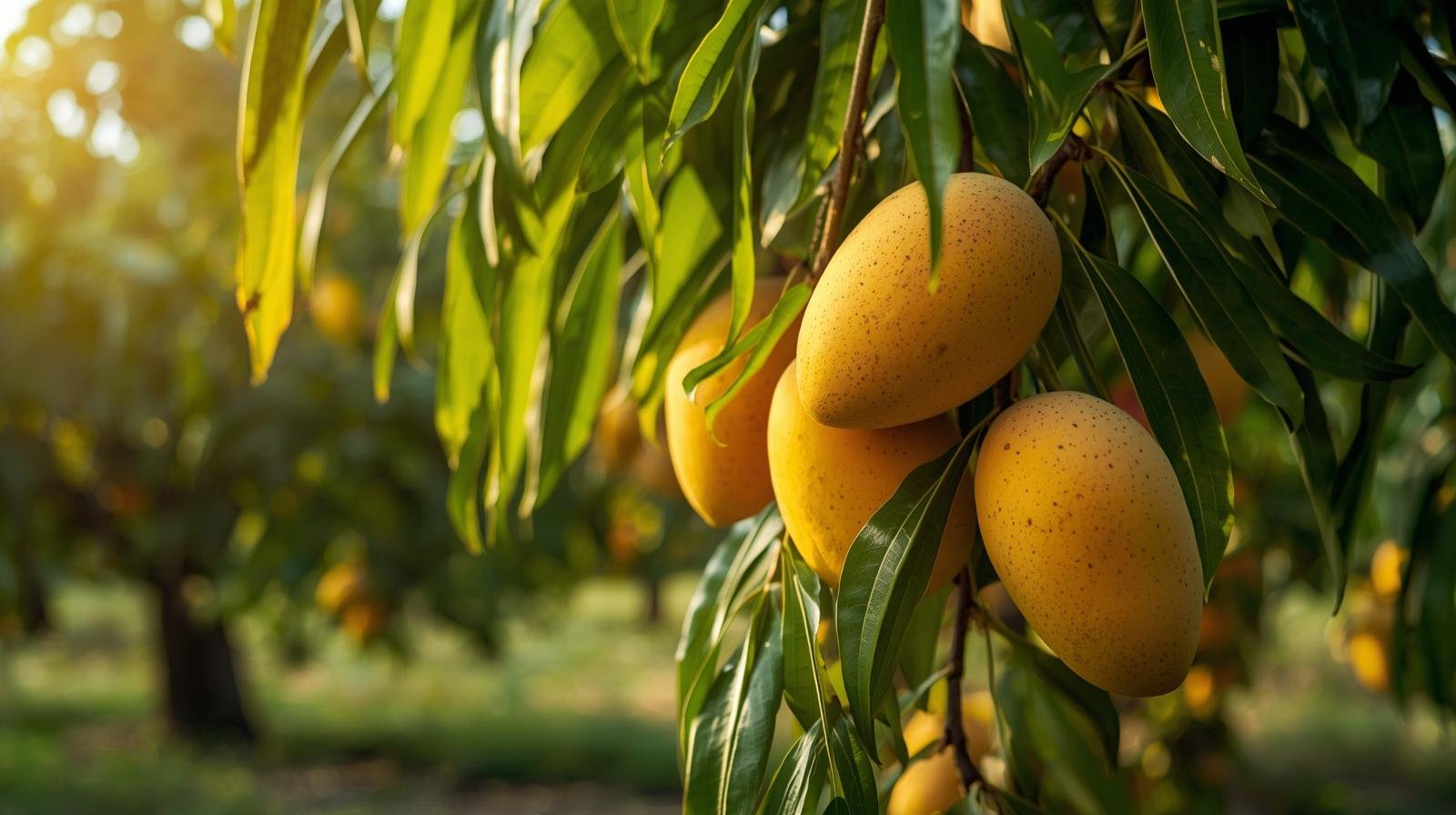

Introduction to Modern Mango Cultivation
Mango trees are traditionally slow to establish and take several years before producing a full harvest. The new technique for growing mango trees focuses on root conditioning, canopy control, and nutrient timing to accelerate growth while improving fruit quality. This method is especially effective for home gardeners and small farmers aiming for earlier and consistent yields.
Selecting the Right Mango Variety
Choosing a suitable mango variety is the first step in successful cultivation. Dwarf and semi-dwarf varieties respond best to advanced techniques, especially in limited spaces. Climate-adapted varieties reduce stress and improve flowering success.
Advanced Soil Conditioning Method
The new technique emphasizes deep soil preparation with organic matter. A blend of garden soil, compost, sand, and bio-organic inputs improves drainage, root aeration, and microbial activity. This creates an ideal environment for long-term tree health.
Root Zone Activation Technique
Before planting, the root zone is activated using beneficial microbes and organic stimulants. This enhances root branching and nutrient absorption, allowing the mango tree to establish quickly and resist transplant shock.
Precision Planting Strategy
Planting depth and spacing are critical in this method. The graft union is kept above soil level, and proper spacing ensures sunlight penetration and airflow, reducing fungal diseases.
Smart Watering Approach
Instead of frequent surface watering, deep irrigation is applied at longer intervals. This encourages deep root growth, making the tree more drought-resistant and stable during extreme weather.
Nutrient Timing for Rapid Growth
Nutrients are applied based on growth stages rather than a fixed schedule. Nitrogen supports vegetative growth, phosphorus promotes root development, and potassium strengthens flowering and fruiting.
Canopy Management Technique
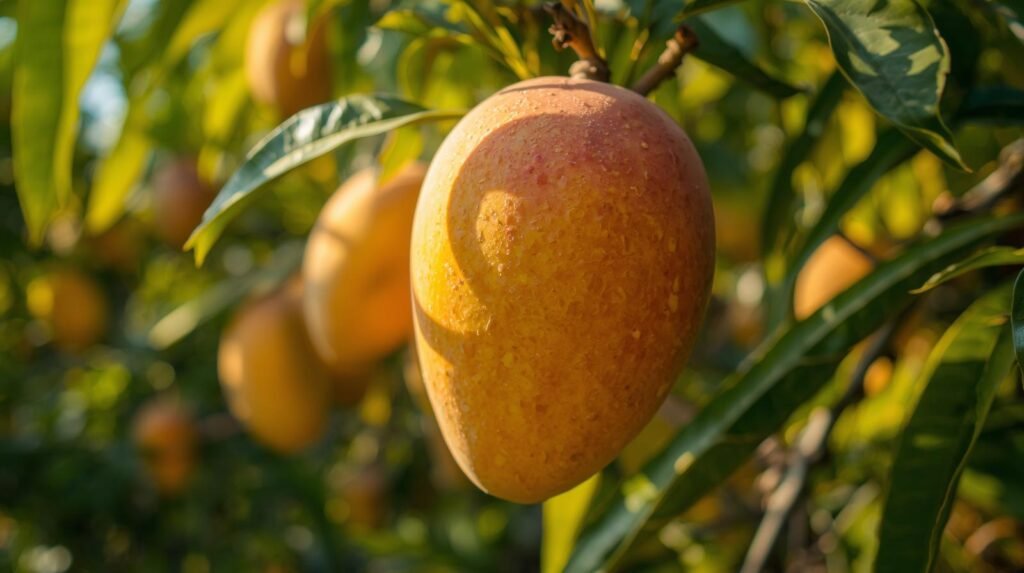
Controlled pruning is a key feature of the new method. Removing excess branches improves light penetration and directs energy toward fruit-bearing shoots.
Flower Induction Strategy
Flowering is encouraged using stress management techniques such as reduced watering before flowering and balanced nutrient supply. This results in uniform blooming and better fruit set.
Natural Pest and Disease Control
Neem oil, botanical extracts, and beneficial insects replace chemical pesticides. This eco-friendly approach protects pollinators while keeping pests under control.
Fruit Development Enhancement
During fruit development, micronutrients like boron and zinc are applied to improve size, sweetness, and color. Proper fruit thinning ensures larger and healthier mangoes.
Harvesting and Long-Term Maintenance
Mangoes are harvested at physiological maturity for best taste and shelf life. Regular mulching and seasonal pruning maintain productivity year after year.
Mango Growing Technique Comparison Table
| Method | Time to Fruiting | Tree Health | Yield |
|---|---|---|---|
| Traditional Method | Slow | Moderate | Average |
| New Technique | Faster | Strong | High |