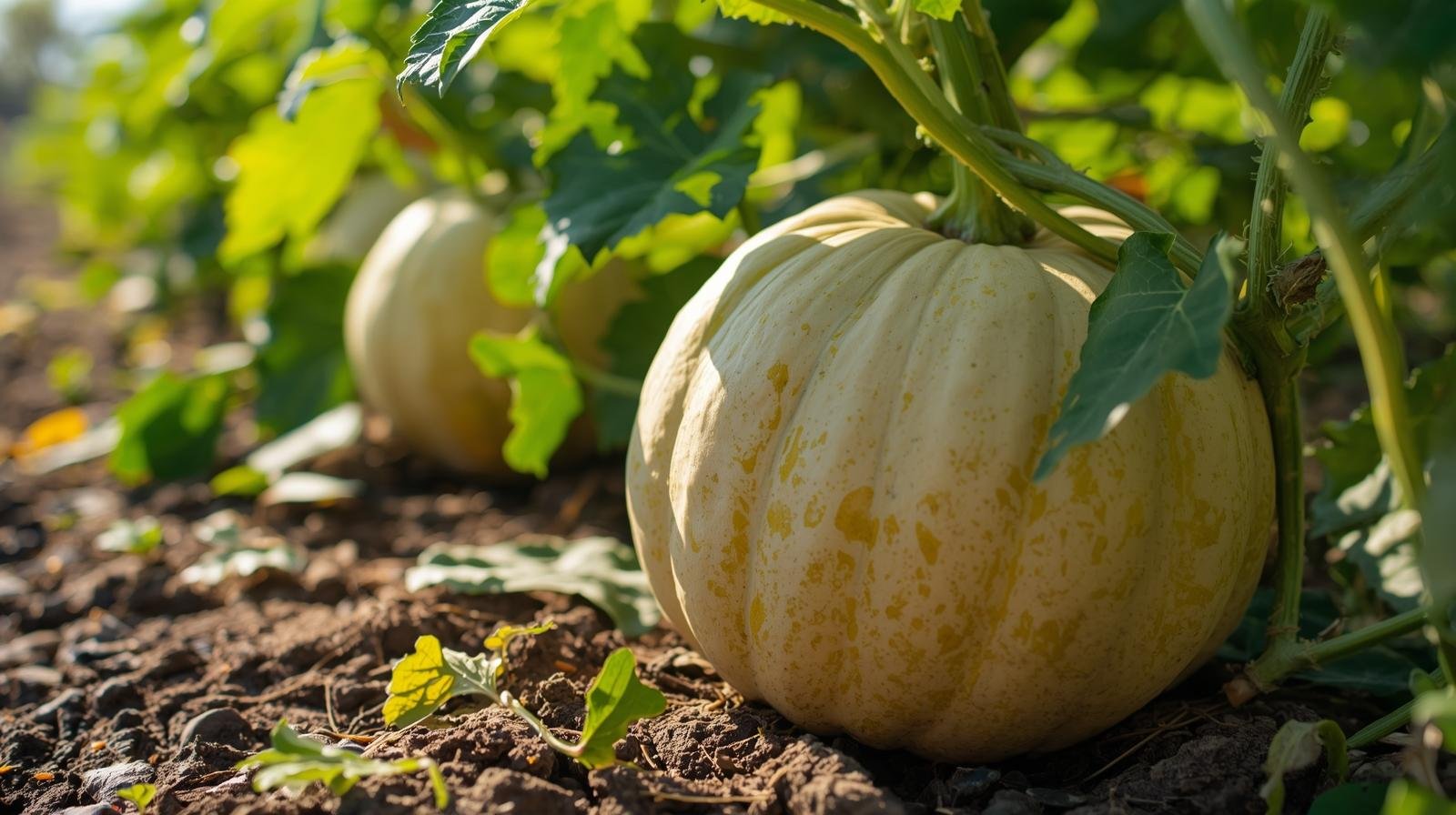

Introduction to Improved Pumpkin Cultivation
Pumpkin plants are heavy feeders and require proper care to produce large, high-quality fruits. The new growing technique focuses on vine management, soil nutrition, and fruit positioning to increase size and sweetness while reducing disease.
Selecting High-Performance Pumpkin Seeds
Choosing vigorous hybrid or native pumpkin varieties suitable for climate and soil type is the first step. Disease-resistant seeds perform exceptionally well when combined with modern cultivation techniques.
Raised Bed Soil Preparation
Pumpkins thrive in loose, nutrient-rich soil. Raised beds enriched with compost and organic matter improve drainage, root expansion, and microbial activity, which directly impacts fruit development.
Seed Germination Enhancement
Seeds are pre-treated using warm water soaking and organic growth stimulants. This accelerates sprouting and ensures uniform seedling development across the planting area.
Strategic Vine Training
Instead of letting vines spread randomly, they are guided in a circular or linear pattern. This method improves sunlight exposure and prevents overcrowding, which can reduce fruit size.
Root Zone Nutrition Technique
Organic nutrients are applied in a ring around the root zone rather than directly at the stem. This encourages wider root growth and improves nutrient uptake efficiency.
Controlled Watering System
Pumpkins need consistent moisture without waterlogging. Deep irrigation at longer intervals promotes strong roots and prevents fungal diseases caused by excess moisture.
Mulching for Fruit Protection
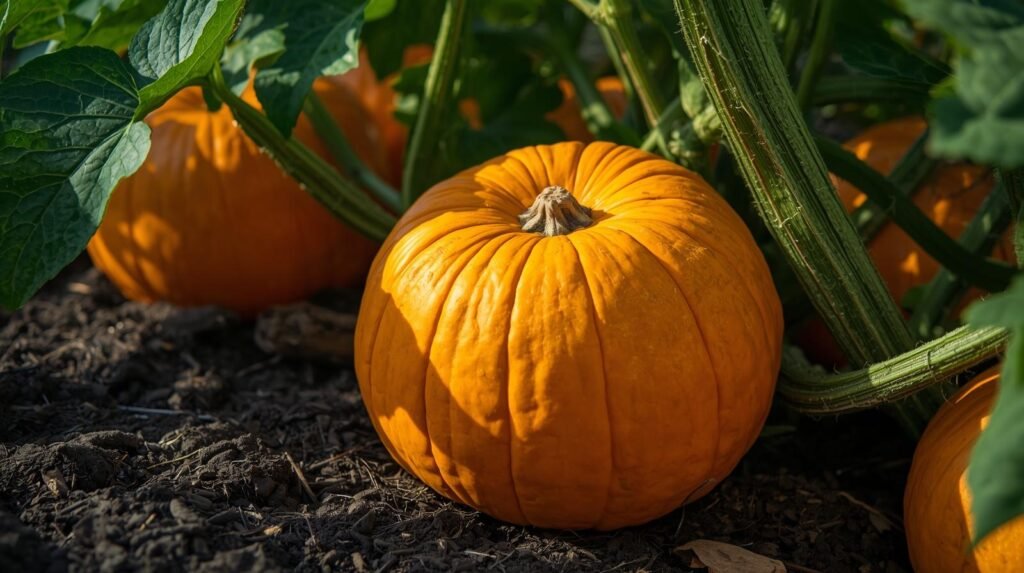
Organic mulch such as straw or dry leaves is placed under vines and fruits. This keeps pumpkins clean, prevents rot, and maintains soil moisture.
Flower and Pollination Management
Manual pollination is encouraged during early flowering to improve fruit set. This technique ensures higher success even in areas with limited pollinators.
Fruit Load Regulation
Excess fruits are removed early to allow the plant to focus energy on fewer pumpkins. This results in larger, heavier, and better-shaped fruits.
Natural Disease Control Measures
Neem oil, baking soda spray, and fermented plant extracts help prevent powdery mildew and pests without harming beneficial insects.
Harvesting at Peak Maturity
Pumpkins are harvested when the rind hardens and develops deep color. Proper curing improves shelf life and enhances flavor.
Pumpkin Growing Comparison Table
| Method | Fruit Size | Disease Risk | Productivity |
|---|---|---|---|
| Traditional Method | Medium | High | Average |
| New Technique | Large | Low | High |