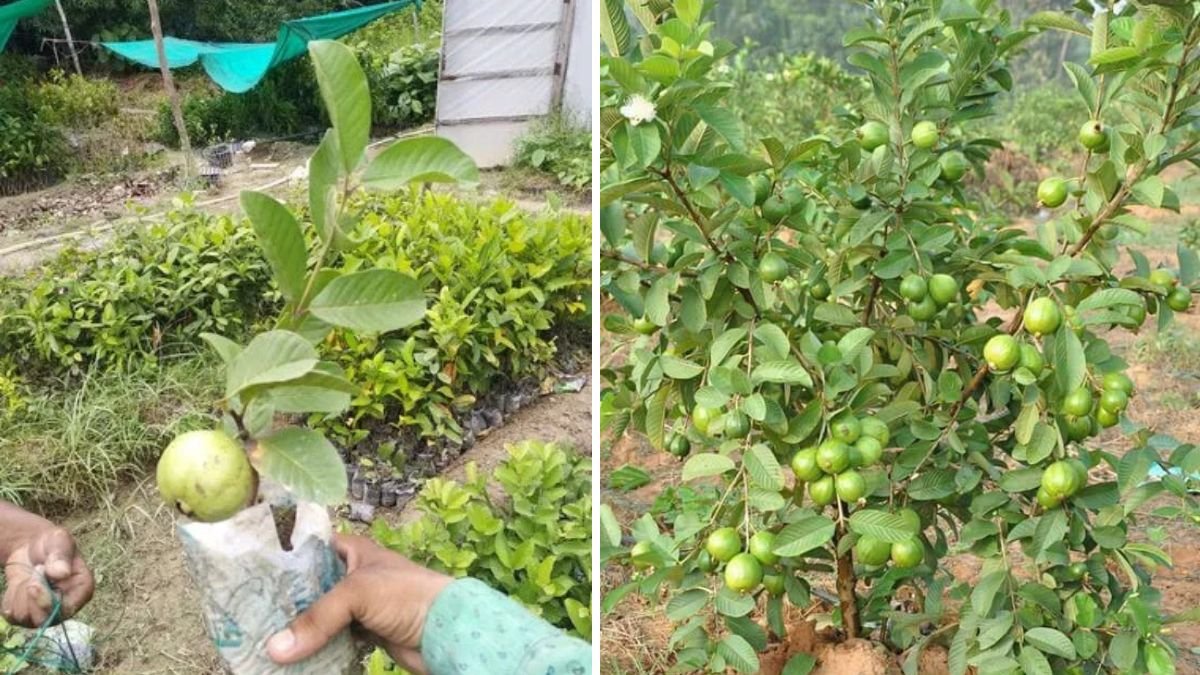

Guava is one of the easiest and most rewarding fruit trees to grow, but most gardeners still struggle with small fruits, slow production, or inconsistent harvests. What many don’t know is that guava trees respond extremely well to a special new technique—a combination of targeted pruning, nutrient timing, and intelligent branch management. This method can not only increase your harvest but also make the fruits bigger, sweeter, and more frequent.
If you want to enjoy continuous guava harvests throughout the year, this article will reveal the new, simple, and highly effective technique used by successful home growers and orchard farmers worldwide.
🍈 Why This New Technique Works
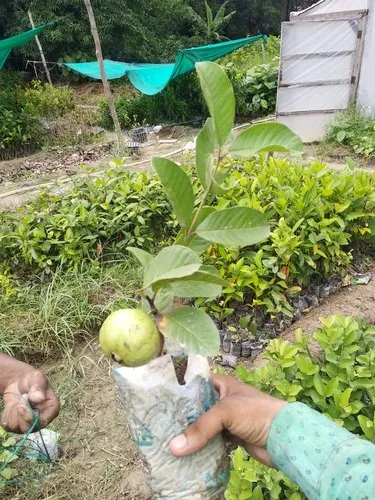
Guava trees are naturally vigorous and grow fast, but their energy gets wasted on too many branches and leaves. As a result:
- Fruit quality decreases
- Trees become tall and hard to manage
- Fruits form only on the outer canopy
- Production becomes seasonal instead of continuous
The new technique focuses on directing the tree’s energy into fruit production rather than unnecessary growth. With just a few adjustments, you can trigger more flowering cycles and speed up fruit ripening.
🍈 Step 1: The Smart Topping Cut (The Secret to Faster Harvests)
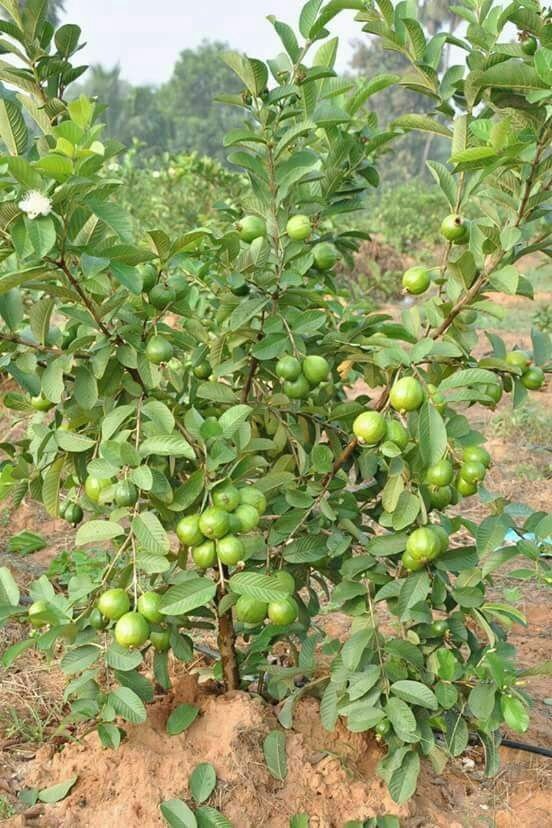
The first part of the new technique is a strategic cut called topping.
✔ What to Do
Once your guava tree reaches about 4–5 feet in height, cut off the top growing tip.
✔ Why It Works
Topping signals the plant to:
- Stop vertical growth
- Grow side branches
- Spread wider
- Produce flowers faster
Guava fruits mainly form on new shoots, so topping increases fruiting locations dramatically.
✔ When to Do It
The best months for topping are:
- Late winter
- Early summer
Within 2–4 weeks of topping, you will see multiple new shoots emerging—these will become fruit-bearing branches soon.
🍈 Step 2: Branch Renewal Technique (For Bigger, Healthier Fruits)
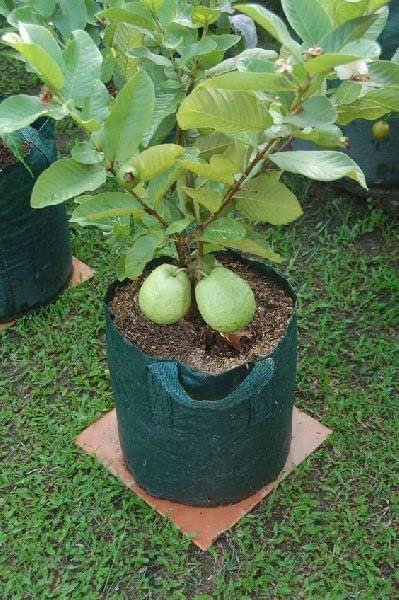
The new technique emphasizes renewal pruning, which means removing old, unproductive branches and encouraging fresh, young shoots.
✔ The Rule of 3
Every year, maintain:
- 3 strong main branches
- 3 secondary branches on each
- Remove the rest
This keeps the tree balanced and open, allowing sunlight to reach all parts of the plant.
✔ Why It Works
Guava fruits become bigger when the tree has:
- Good air circulation
- Direct sunlight
- Reduced competition among branches
Removing unnecessary branches helps the remaining ones produce larger and sweeter fruits.
🍈 Step 3: The 30-Day Flowering Boost (Plant Nutrition Timing)
One of the most powerful steps in this new technique is managing nutrients at the right time.
✔ Before Flowering
Apply fertilizer rich in:
- Potassium
- Phosphorus
- Calcium
These minerals strengthen flowering and fruit setting.
Great options include:
- Wood ash
- Banana peel fertilizer
- Bone meal
- Seaweed solution
✔ After Flowering
During fruit development, use:
- Vermicompost
- Cow dung tea
- Compost tea
This helps fruits grow larger and juicier.
✔ Do NOT Add Too Much Nitrogen
Nitrogen makes guava produce leaves—not fruits.
If you want more fruits, keep nitrogen low.
🍈 Step 4: Controlled Watering Technique for Sweeter Fruits
Guava fruits become sweeter when the plant experiences mild water stress at the right stage.
✔ Water Frequently During:
- New shoot development
- Flowering
✔ Reduce Watering During:
- Fruit maturation (last 30 days before harvest)
This technique improves natural sugar accumulation in guava fruits, making them:
- Sweeter
- More aromatic
- Better in texture
🍈 Step 5: Fruit Thinning for Extra-Large Guavas
If all flowers turn into fruits, your tree will produce many small fruits.
So here’s what you do:
✔ Remove Smaller Fruits Early
When fruits are the size of a marble, remove:
- Misshaped ones
- Weak ones
- Overcrowded fruits
Leave only 1–2 fruits per cluster.
✔ Why It Works
The tree will put all its energy into fewer fruits, making them:
- Bigger
- Juicier
- Better flavored
Commercial farmers use this method for jumbo-sized guavas.
🍈 Step 6: The Bagging Method (To Protect & Sweeten Fruits)
Bagging guava fruits while they are still small has several benefits.
✔ What to Use
- Newspaper
- Butter paper
- Special fruit bags
✔ Benefits
- Prevents fruit flies
- Stops pests from laying eggs
- Protects from sunburn
- Reduces pesticide use
- Helps fruits grow evenly and clean
Fruit bagging is a major reason why premium guavas look so fresh and spotless.
🍈 Step 7: Continuous Harvesting Technique (So Your Tree Fruits All Year)
Here’s the biggest advantage of this new method:
✔ Your guava tree can produce multiple crop cycles each year.
✔ How It Works
After harvesting fruits from one branch:
- Cut that branch back by 30–40%
- Wait for new shoots
- New shoots = new flowers
- New flowers = new fruits
This way, different parts of the tree are always in different stages:
- Some branches flowering
- Some branches growing
- Some branches fruiting
This gives you year-round guava production instead of just one or two seasons.
🍈 Ideal Soil Mix for Faster Harvesting
Guava trees thrive in loose, fertile soil. The best soil mix is:
- 40% garden soil
- 30% compost
- 20% sand
- 10% coco peat
This improves drainage and root health—two essential factors for faster harvesting.
🍈 Natural Pest Control for Guava Trees
The most common enemies are:
- Fruit flies
- Mealybugs
- Aphids
- Leaf miners
Use these natural solutions:
- Neem oil spray every 15 days
- Garlic–chili water
- Yellow sticky traps
- Soap water spray
Healthy trees resist pests better and recover faster after pruning.
🍈 Signs Your Guava Tree is Ready for a Big Harvest
A guava tree is fully ready when:
- Branches are strong and have multiple new shoots
- Leaves are glossy and bright green
- The tree has a balanced round shape
- Flowers appear at the tips of fresh shoots
Following the new technique ensures all these conditions appear earlier than usual.
🍈 Final Thoughts: A Simple Technique With Powerful Results
The new guava harvesting technique—combining strategic pruning, nutrient timing, and fruit management—can transform any ordinary guava tree into a highly productive, fast-fruiting powerhouse.
With this method, you can expect:
✔ Bigger guavas
✔ More frequent harvests
✔ Sweeter, cleaner fruits
✔ A well-shaped tree
✔ Continuous production throughout the year
Whether you’re a home gardener or planning a small orchard, this technique is easy, natural, and highly effective. Your guava tree will reward you with beautiful fruits that taste better than anything from the market.