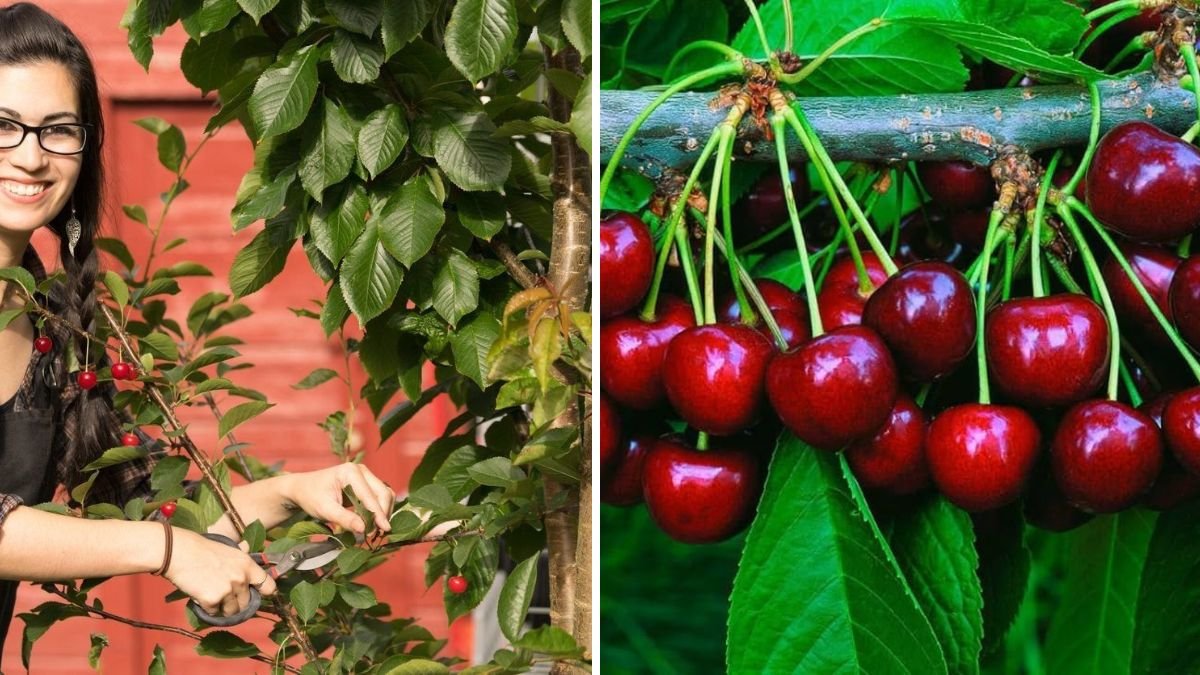

Cherry trees are among the most beautiful and rewarding fruit trees you can grow. From their breathtaking spring blossoms to their sweet, juicy fruits, cherries add beauty and flavor to any garden. However, many gardeners struggle with the long waiting time—traditional cherry trees can take 4–7 years before producing fruit.
But what if there was a simple way to speed up their growth, strengthen the tree, and encourage earlier fruiting?
Good news: there is.
By grafting cherry trees onto strong, fast-growing rootstocks, gardeners can dramatically improve growth speed, disease resistance, and fruit production. This method, used by professional orchardists, is surprisingly easy for home gardeners too.
In this article, you’ll learn everything about the fastest, easiest way to graft cherry trees, why it works so well, and how to care for your grafted tree for maximum growth.
🌱 Why Grafting Makes Cherry Trees Grow Faster
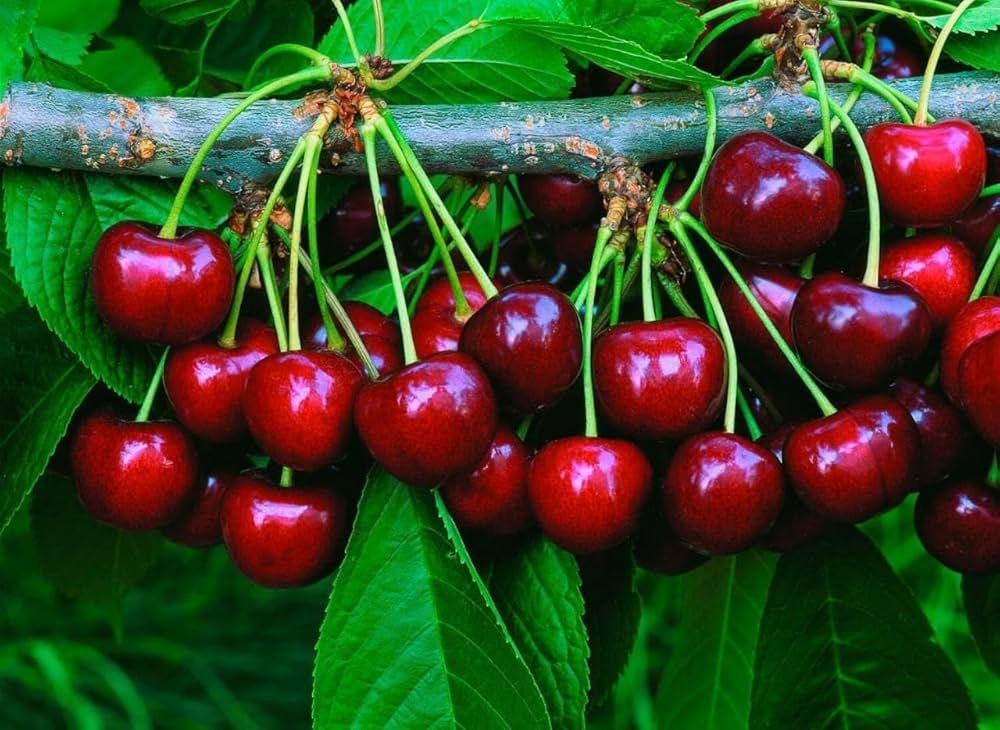
Cherry trees grown from seed are slow, unpredictable, and often fail to produce fruit that matches the parent tree. Grafting solves these problems by combining:
- A powerful, fast-growing rootstock
- With a high-quality cherry scion
This combination gives you a tree that:
✔ Grows faster
✔ Produces early blossoms
✔ Bears fruit quicker
✔ Resists pests and diseases better
✔ Adapts to different soils and climates
With the right grafting method, a cherry tree can fruit 2–3 years earlier than usual.
🌳 The Best Rootstocks for Fast-Growing Cherry Trees
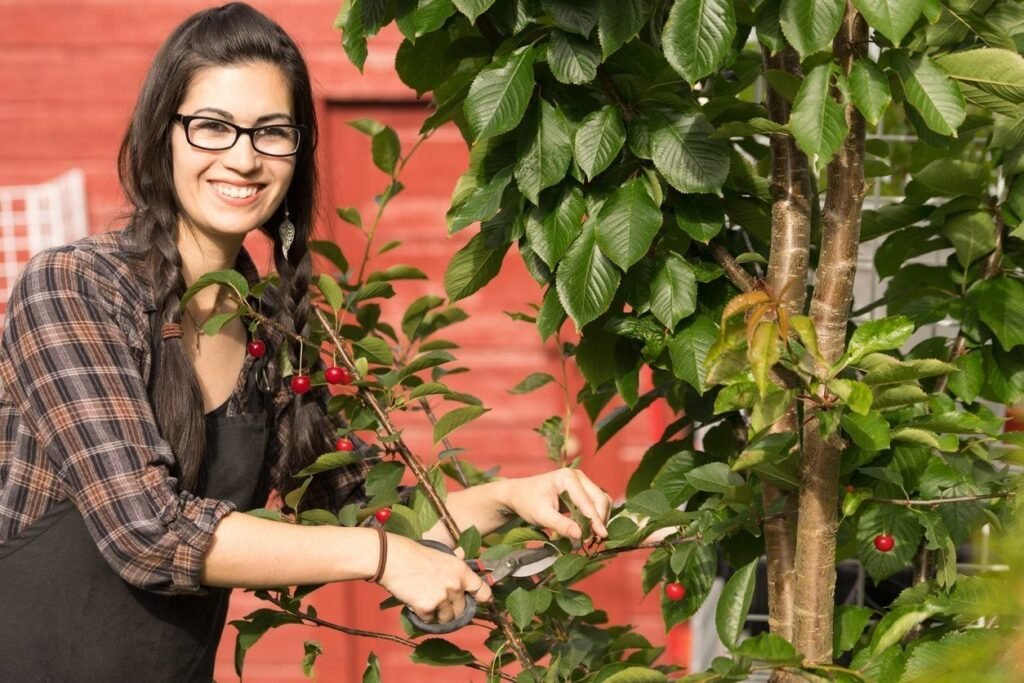
To make cherries grow faster, choose a vigorous, adaptable rootstock. Popular options include:
1. Colt (Semi-Vigorous Rootstock)
- Excellent for fast growth
- Strong roots
- Good for warm and cool climates
2. Mahaleb
- One of the oldest and best for rapid growth
- Great drought tolerance
- Improves fruit flavor
3. Gisela 5
- Semi-dwarfing but very productive
- Early fruiting
- Perfect for smaller gardens
4. Mazzard
- Vigorous and extremely hardy
- Ideal for beginners
- Strong disease resistance
The key to fast growth is selecting a rootstock that complements your climate and soil.
✂️ The Easiest Grafting Method for Cherries: Whip-and-Tongue Graft
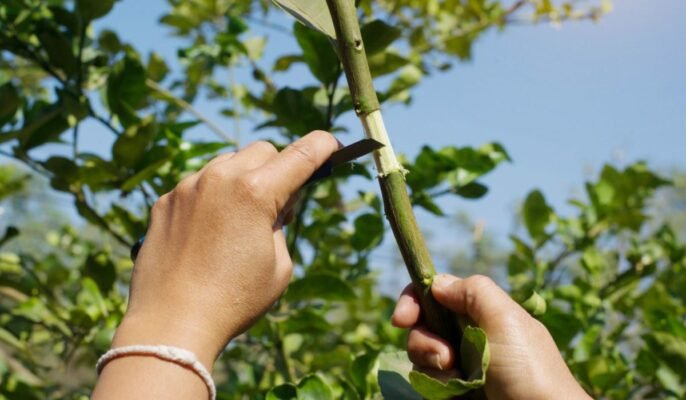
Out of all grafting methods, the whip-and-tongue graft is the most reliable for cherries.
It ensures:
- Strong cambium contact
- Tight binding
- High success rate
- Fast healing and growth
Below is a step-by-step guide for beginners and experts alike.
🍒 Step-by-Step Guide: Grafting a Cherry Tree to Make It Grow Faster
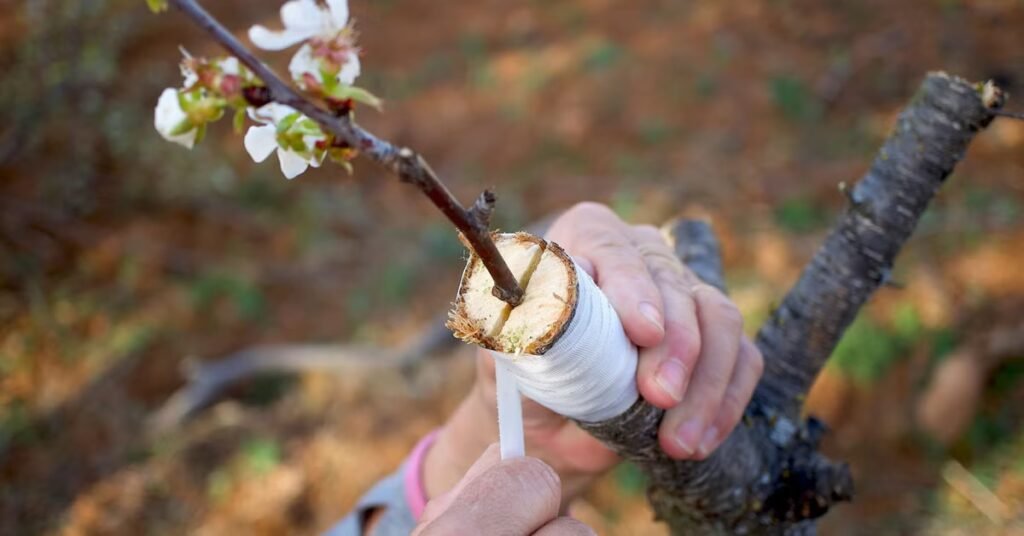
Step 1: Gather Your Materials
You will need:
- A sharp grafting knife
- Healthy cherry scion (15–20 cm long, 3–4 buds)
- Fast-growing cherry rootstock
- Grafting tape or plastic film
- Pruning shears
- Alcohol for sterilization
Step 2: Select the Perfect Scion
Your scion should come from:
- Last year’s growth
- A healthy cherry tree
- A disease-free branch
- A branch with plump, green buds
Cut the scion early in the morning when moisture levels are high.
Tip: Keep it wrapped in a damp cloth to prevent drying.
Step 3: Make the Main Slanted Cut
Cut both the scion and the rootstock at matching angles (about 3 cm long).
These cuts must align to ensure proper nutrient flow.
Step 4: Make the Tongue Cut
Slice a small slit on both the scion and rootstock.
This tongue helps lock them together like puzzle pieces.
This step dramatically increases grafting success.
Step 5: Join the Two Pieces
Slide the scion into the rootstock so that:
- The tongues interlock
- The cuts match cleanly
- At least one side has matched cambium layers
Perfect cambium contact = fast growth.
Step 6: Wrap, Seal, and Secure
Use grafting tape or plastic strips to wrap the graft union tightly.
No air should enter—moisture loss kills grafts.
Step 7: Place in Shade and Wait
Keep the grafted plant in a shaded area for 2–3 weeks.
Signs of success:
- Buds swelling
- Scion turning brighter green
- New shoots forming
Your cherry graft is now ready to grow fast!
🌞 Aftercare: How to Make Your Grafted Cherry Grow Even Faster
Grafting is only half the journey. Proper aftercare accelerates growth dramatically.
1. Remove Rootstock Suckers
Always cut away any shoots growing below the graft.
They steal nutrients from the scion.
2. Provide Balanced Nutrition
Feed your cherry tree with:
- Compost every 2 months
- Bone meal once every 6 months
- Wood ash during flowering season
- Liquid seaweed every 3–4 weeks
This boosts root strength and fruiting.
3. Water Deeply but Not Often
Watering rules for cherries:
- Water deeply once a week
- Increase water in hot weather
- Avoid waterlogged soil
Deep watering encourages deep root growth, speeding up overall tree growth.
4. Mulch Generously
Add a 5–7 cm layer of:
- Straw
- Wood chips
- Dry leaves
Mulch stabilizes temperature, prevents weeds, and conserves moisture.
5. Prune Smartly
Proper pruning encourages fast vertical and lateral growth.
Remove:
- Weak branches
- Crossed branches
- Shoots facing inward
Shape the tree early for faster, stronger development.
6. Protect From Pests
Use natural remedies:
- Neem oil
- Garlic spray
- Yellow sticky traps
Healthy plants grow faster and are more productive.
🍒 When Will a Grafted Cherry Tree Fruit?
Using this grafting method, you can expect fruit much earlier than usual:
- On fast rootstocks: 2–3 years
- On vigorous rootstocks: 3–4 years
- On seed-grown trees: 6–7 years (or more)
Grafting cuts your waiting time in half.
🌳 Why This Method Works Better Than Others
This easy grafting method boosts cherry growth because:
✔ Cambium layers connect quickly
✔ Nutrient flow starts immediately
✔ Tongue lock prevents movement
✔ The graft heals within weeks
✔ Rootstock strength accelerates growth
This technique is used by commercial cherry orchards worldwide.
🪴 Can Grafted Cherries Be Grown in Pots? Absolutely!
Cherry trees grafted onto dwarf or semi-dwarf rootstocks grow exceptionally well in containers.
Choose:
- Gisela 5
- Colt
- Krymsk 5
Use a 25–45 liter pot with good drainage.
Container cherries:
- Grow fast
- Fruit early
- Require less pruning
- Look beautiful on balconies and terraces
🍒 Tips to Get Bigger, Sweeter, More Delicious Cherries
To maximize your harvest:
1. Add Potassium
Use banana peel fertilizer or wood ash during flowering.
2. Encourage Pollinators
Plant lavender, marigold, basil, alyssum nearby.
3. Thin Early Fruits
Remove small or excess fruits to allow remaining ones to grow larger.
4. Train Branches
Tie branches outward to form a strong open canopy.
5. Keep Soil Slightly Acidic
Cherries love pH 6–6.5.
⚠️ Common Mistakes to Avoid
Avoid these errors:
- Using old or dry scions
- Grafting in extreme heat
- Not matching cambium layers
- Wrapping too loosely
- Overwatering young grafts
Fixing these problems ensures maximum success.
🌼 Final Thoughts: A Simple Technique for Faster-Growing Cherry Trees
If you want to grow cherry trees that:
- Grow faster
- Stay healthier
- Flower earlier
- Produce fruit sooner
- Resist diseases
- Adapt to containers or garden soil
…the easiest and most effective way is whip-and-tongue grafting on a strong rootstock.
With just a few careful steps, you can enjoy delicious cherries years earlier than normal.
This simple technique has powered orchards for centuries—and now it can help your home garden flourish too.