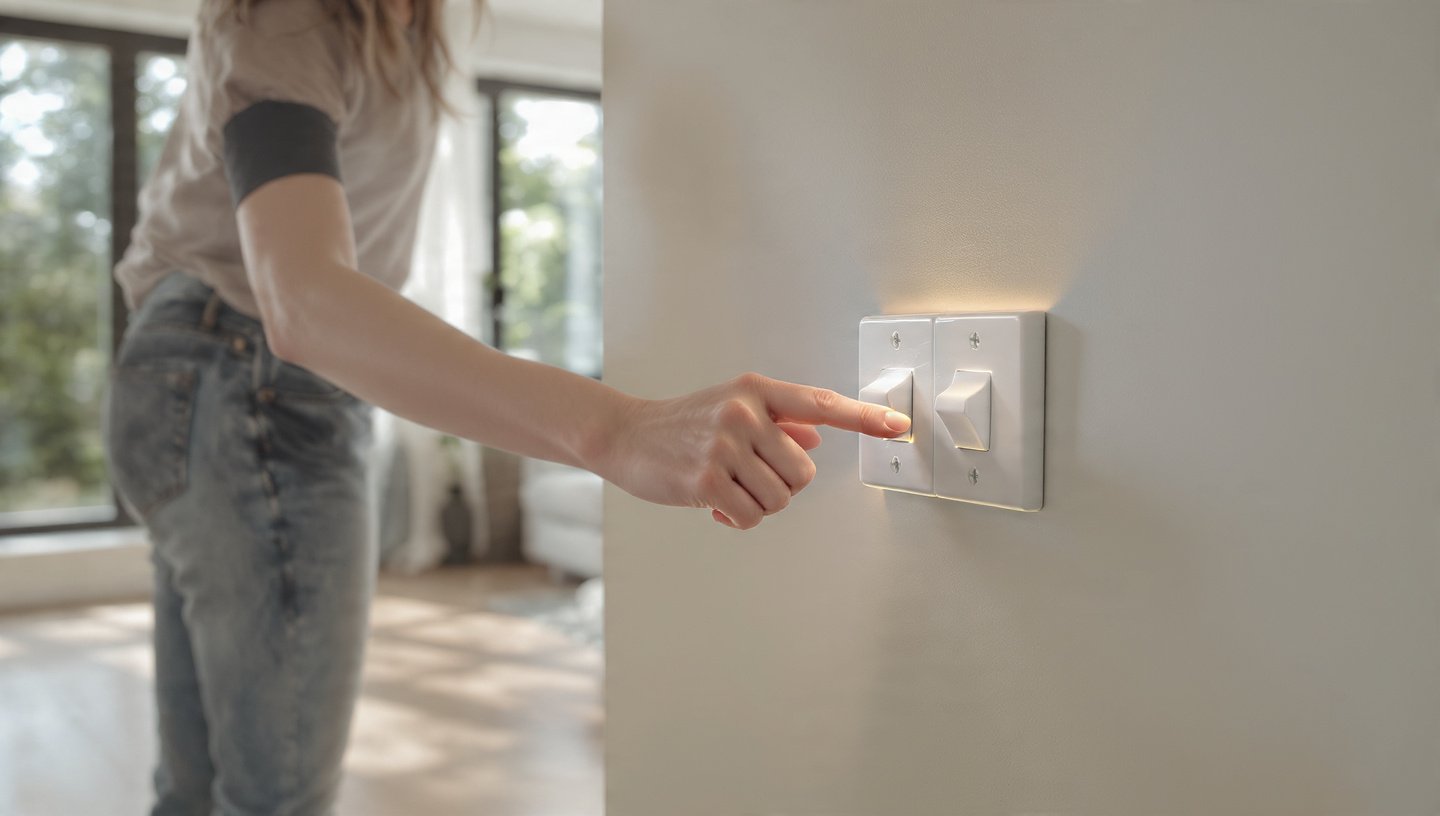

In an age where environmental concerns are at the forefront of global dialogues, finding simple yet effective ways to reduce energy consumption is paramount. One of the simplest actions that individuals and families can adopt is turning off appliances when they are not in use. Though it may seem like a minor action, the cumulative impact of turning off devices can lead to significant reductions in energy consumption, thereby contributing to lower utility bills and a smaller carbon footprint.
The Importance of Energy Conservation
Energy conservation plays a vital role in environmental protection. The energy we consume often comes from non-renewable sources such as fossil fuels, which contribute to greenhouse gas emissions and climate change. By reducing energy consumption, we not only save money but also contribute to a healthier planet.
The Science Behind Energy Use
To understand the impact of turning off appliances, it’s essential to grasp how energy consumption works in households. Most appliances draw power even when they are not actively being used, a phenomenon known as “phantom load” or “vampire energy.” This energy is consumed when devices are plugged in yet not turned on, leading to unnecessary energy waste.
According to the U.S. Department of Energy, appliances that have standby modes can account for 5% to 10% of residential energy consumption. This statistic underscores the importance of being proactive in turning off devices to stem this waste.
Simple Actions to Reduce Energy Consumption
Here are some actionable steps that can help you significantly reduce your energy consumption:
1. Turn Off and Unplug
The most straightforward action is simply turning off and, if possible, unplugging devices when they are not in use. This includes televisions, computers, game consoles, chargers, and kitchen appliances. Make it a habit to unplug these devices, especially when leaving the house or going to bed.
2. Use Power Strips
Utilizing power strips can be an effective way to manage multiple devices. Some power strips come with timers or smart technology that can automatically cut off power to devices after a pre-set time. This means you can enjoy the convenience of your electronics without the worry of them consuming energy unnecessarily.
3. Invest in Energy-Efficient Appliances
When it’s time to replace appliances, opting for energy-efficient models can make a significant difference. Look for the ENERGY STAR label or equivalent certifications that indicate the appliance meets energy efficiency guidelines set by the U.S. Environmental Protection Agency.
4. Implement Smart Home Technology
Smart home technology has made it easier to monitor and control energy usage. Smart plugs and home automation systems can help you manage your devices more effectively, allowing you to turn them off remotely, schedule their usage, or even turn them off when you leave home.
5. Educate and Involve Family Members
Involving your family in energy-saving practices ensures that efforts are communal. Teach children the importance of turning off lights and appliances when they leave a room. Encourage discussions about energy conservation and make it a family goal to reduce consumption. This creates a culture of sustainability within the home.
Benefits of Reducing Energy Consumption
Reducing energy consumption has numerous benefits, including:
1. Lower Utility Bills
One of the immediate benefits of turning off appliances and reducing energy consumption is a decrease in utility bills. The less energy consumed, the lower the bill, making this practice beneficial for your wallet.
2. Environmental Impact
Your efforts in reducing energy consumption contribute positively to the environment. Less energy demand leads to lower fossil fuel consumption, which diminishes greenhouse gas emissions. This is crucial in combating climate change and promoting sustainability.
3. Enhanced Lifespan of Appliances
Turning off appliances when not in use can extend their lifespan. Appliances left on continuously may face wear and tear more quickly, leading to repairs or replacements sooner than necessary. Conserving energy can increase the longevity of your electronics and appliances.
4. Improved Air Quality
Many appliances contribute to air pollution, which can worsen indoor air quality. By reducing energy consumption and utilizing energy-efficient models, you help to maintain better indoor air quality, which is especially beneficial for families with allergies or respiratory issues.
The Role of Community and Global Awareness
Individual actions make a difference, but collective efforts amplify those benefits. Communities can come together to promote energy-saving initiatives, share resources, and educate others on the importance of energy conservation. Local governments can also play a role by providing incentives for energy-efficient upgrades and creating awareness campaigns.
Globally, efforts like Earth Hour, which encourage countries and individuals to turn off non-essential lights for one hour, highlight the effectiveness of small actions when adopted by a large number of people. Such initiatives foster a culture of sustainability and conservation that transcends geographical boundaries.
Conclusion
In conclusion, the simple act of turning off appliances when they are not in use can lead to significant reductions in energy consumption. By implementing easy strategies such as using power strips, investing in energy-efficient appliances, and educating family members, we can collectively make a substantial impact. Not only do these actions help reduce utility bills, but they also contribute to a healthier planet and promote sustainability for future generations. Every little bit helps, and together, we can create a more energy-efficient world.
FAQs
Q1: How much energy can I save by turning off devices?
A1: The energy savings can vary significantly depending on the number of devices and their usage. On average, households can save $100 or more annually simply by turning off and unplugging appliances when they are not in use.
Q2: Are there specific appliances that consume more phantom energy?
A2: Yes, devices like televisions, gaming consoles, computers, and kitchen appliances often consume significant phantom load. Even small chargers for mobile devices can contribute to energy waste if they remain plugged in.
Q3: Do smart plugs really help in reducing energy consumption?
A3: Yes, smart plugs can help by allowing you to remotely control devices, set schedules, and monitor energy usage. They effectively eliminate unnecessary energy consumption from devices that are left in standby mode.
Q4: How can I effectively involve my family in energy conservation efforts?
A4: Start by educating them about the importance of energy conservation. Create specific energy-saving challenges or rewards for turning off devices and include everyone in discussions about energy usage, leading by example.
Q5: Are there local programs that support energy conservation activities?
A5: Many local governments and utilities offer programs and incentives for energy efficiency upgrades, education, and community events focusing on conservation efforts. Check with your local energy provider for more information.