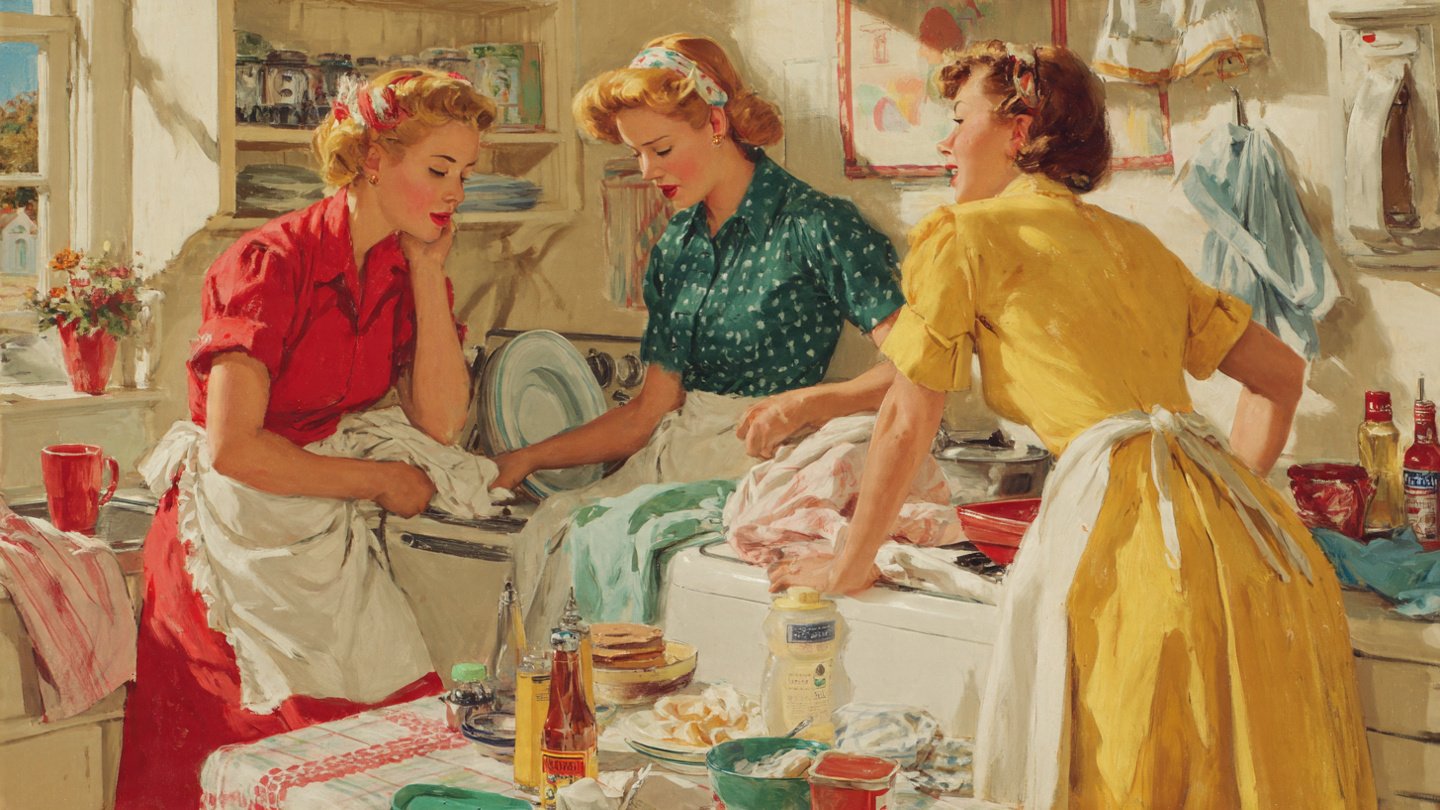

Household chores have always been a part of daily life, but many people today feel these responsibilities weigh heavier than in previous generations. Whether it’s the never-ending laundry, dishes piling up, or cleaning floors, the sentiment remains the same: chores seem more burdensome than ever. Numerous factors contribute to this perception, ranging from societal changes to individual psychological perspectives. In this article, we will explore these factors in depth, shedding light on why household chores can feel overwhelming.
The Impact of Modern Life
The pace of life has dramatically changed, especially in the last few decades. Today, the average family juggles various commitments, from demanding work schedules to children’s extracurricular activities. This fast-paced lifestyle often leads to:
- Time Scarcity: Many individuals report feeling they have less time for household chores due to work and social obligations.
- Multi-tasking Syndrome: Juggling multiple tasks can lead to fatigue and burnout, making the thought of doing chores seem daunting.
- Digital Distractions: The rise of smartphones and social media can further divert attention, leading to procrastination regarding household tasks.
Consequently, what used to be a manageable list of chores can transform into an overwhelming burden, contributing to stress and anxiety.
Changing Family Dynamics
Family structures have evolved considerably. The traditional household often included a stay-at-home parent, while both spouses work in many current families. This shift brings about several challenges:
- Uneven Distribution of Labor: In many instances, one partner may shoulder more of the household chores, leading to feelings of resentment and overwhelm.
- New Roles and Responsibilities: As roles change, so do expectations—both partners might have different perspectives on what constitutes shared responsibility.
- Increased Parental Involvement: With both parents working, the time available for children’s activities, homework, and chores has diminished, piling pressure onto parents.
These evolving dynamics can make chores feel more burdensome as expectations become blurred and responsibilities become uneven.
Psychological Factors
The perception of household chores as burdensome is not solely influenced by external factors; internal psychological aspects play a significant role. Individuals often experience:
- Perfectionism: A desire for everything to be done ‘just right’ can add to the burden. This can result in an aversion to starting chores that seem too time-consuming.
- Avoidance and Procrastination: The overwhelming nature of chores can lead to avoidance behavior, where individuals put off tasks, leading to a backlog that feels even more daunting.
- Emotional Labor: The mental effort involved in planning and organizing chores can be just as exhausting as the physical labor itself.
Combined, these psychological elements can create a cycle where chores seem ever more difficult, contributing to higher levels of stress.
Technological Influence
While technology has made some household tasks easier, it has also contributed to feelings of overwhelm. For instance:
- Information Overload: The internet is awash with tips, tricks, and methods for completing household tasks efficiently, which can create pressure to meet these standards.
- Online Shopping and Delivery Services: While convenience is a major benefit, it can distance individuals from traditional household chores like grocery shopping, making them feel less connected to these responsibilities.
- Smart Home Devices: Although these technologies simplify chores, they can also lead to an accumulation of devices that require time and energy to maintain.
Consequently, instead of reducing the burden, technology can lead to greater complexity and expectations surrounding household management.
Societal Expectations
Modern society places significant emphasis on productivity and busyness, impacting how individuals view their chores:
- Cultural Norms: The narrative around success often equates to being continuously busy, leading to guilt or shame if chores aren’t completed efficiently.
- Social Media Pressure: Platforms like Instagram and Pinterest can create unrealistic standards for household organization and cleanliness, fostering anxiety and feelings of inadequacy.
- Work-Life Balance: The struggle to balance numerous commitments makes it hard for individuals to prioritize household tasks, making them feel more like burdens compared to fulfilling activities.
These societal pressures can shift perceptions of household chores from necessary responsibilities to additional sources of stress.
Strategies to Alleviate Chore Burdens
Understanding the factors that contribute to the feeling of burden can empower individuals to adopt strategies to alleviate the stress associated with household chores:
- Redefine Expectations: Set realistic goals for household tasks, allowing for flexibility and acknowledging that perfection is not required.
- Involve All Household Members: Create a chore chart that fairly distributes responsibilities among all members of the household, promoting teamwork and reducing individual burden.
- Prioritize Self-Care: Recognize the importance of taking breaks and engaging in activities that recharge your mental and emotional battery before diving into chores.
- Use Technology Wisely: Leverage apps and organization tools to streamline chore management while being mindful of the potential effects of information overload.
By employing these strategies, household chores can become more manageable, alleviating feelings of burden and restoring a sense of balance in daily life.
Conclusion
The evolving nature of household chores illustrates a complex interplay of modern life, changing dynamics, psychological factors, and societal expectations. These factors combine to create a landscape where chores may feel more burdensome than before. By recognizing these influences and adopting practical strategies, individuals and families can navigate their household responsibilities with greater ease, ultimately reducing stress and enhancing well-being.
FAQs
1. Why do household chores feel more overwhelming now compared to previous generations?
Several factors contribute, including increased work demands, changing family dynamics, and higher societal expectations regarding productivity and perfectionism.
2. How can I better manage household chores without feeling overwhelmed?
Start by setting realistic goals, distributing chores evenly among family members, and prioritizing self-care to maintain mental and emotional balance.
3. Are there effective tools to help manage household chores?
Yes, applications for task management, budgeting, and meal planning can make chore management easier and more efficient.
4. How can technology both help and add to the burden of household chores?
While technology can streamline tasks, it can also create pressure through unrealistic standards and information overload, leading to feelings of inadequacy.
5. Is it normal to feel stressed about household chores?
Yes, many people experience stress regarding household responsibilities, especially in today’s fast-paced world. Acknowledging these feelings is the first step toward finding balance.