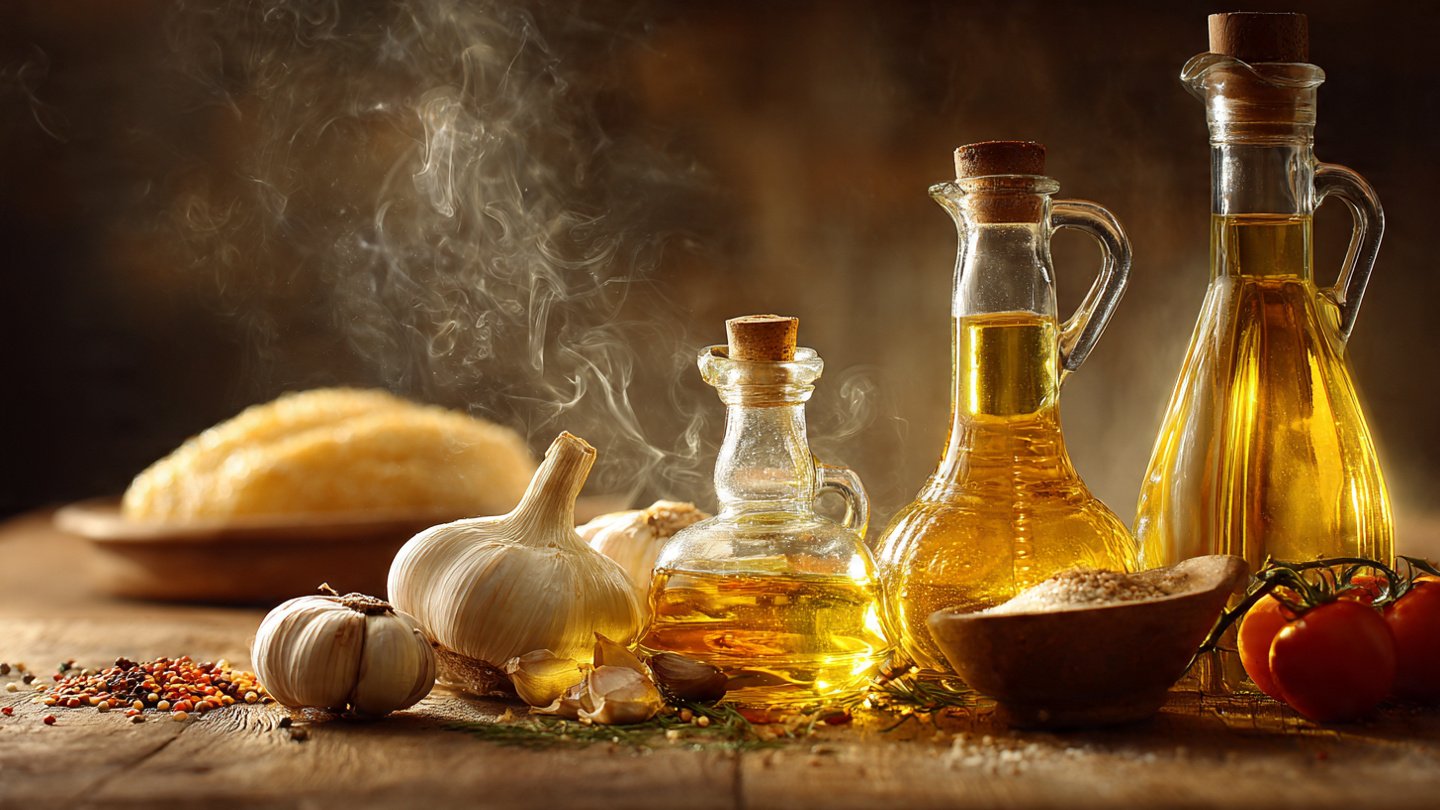

Cooking oils are essential staples in kitchens worldwide, used for frying, sautéing, baking, and dressing salads. However, the shelf life and safety of these oils can be significantly affected by exposure to heat. Understanding not only the components of cooking oils but also the impact of heat on their quality can help consumers make informed choices in their cooking practices. This article delves into the effects of heat on cooking oils, focusing on shelf life, safety, and optimal usage.
Understanding Cooking Oils
Cooking oils are derived from various sources, including seeds, nuts, fruits, and vegetables. Common examples include olive oil, canola oil, sunflower oil, coconut oil, and palm oil. Each type of oil has a unique composition of fatty acids, antioxidants, vitamins, and other phytochemicals that influence its flavor, nutritional profile, and shelf life.
Fatty Acid Composition
The two primary categories of fatty acids in cooking oils are saturated and unsaturated fats:
- Saturated Fats: Typically solid at room temperature, these fats can be stable under heat, making oils like coconut oil and palm oil suitable for high-temperature cooking.
- Unsaturated Fats: These can be further divided into monounsaturated and polyunsaturated fats. Olive oil is rich in monounsaturated fats, while oils such as soybean and corn oil are high in polyunsaturated fats. Unsaturated fats are generally more sensitive to heat.
Antioxidants and Stability
Most cooking oils contain antioxidants that help prolong shelf life by combating oxidative damage. Vitamin E is a common antioxidant found in many oils, which helps prevent rancidity. However, heat can deplete these antioxidants, leading to a reduction in the oil’s stability and a shorter shelf life.
The Effects of Heat on Cooking Oils
Understanding how heat interacts with cooking oils is crucial for both cooking efficacy and safety.
1. Oxidative Degradation
When cooking oils are heated, they undergo oxidation, a process that breaks down fatty acids into harmful compounds. This leads to the formation of free radicals, which can not only spoil the oil’s flavor but also pose health risks if consumed. The rate of oxidation increases with higher temperatures and prolonged cooking times.
- Temperature Thresholds: Different oils have specific smoke points—the temperature at which they begin to smoke and degrade. For example, olive oil has a smoke point of around 375°F (190°C), while canola oil reaches approximately 400°F (204°C). Exceeding these temperatures can accelerate oxidation and degrade the oil’s quality.
2. Formation of Toxic Compounds
Heat can lead to the production of acrolein and other toxic compounds that are harmful when inhaled or ingested. These compounds can develop when oils reach their smoke point, giving off fumes that can irritate the respiratory system. Moreover, prolonged heating can lead to the formation of trans fats, which are associated with various health risks.
3. Rancidity
Heat exposure can also hasten the process of rancidity, characterized by off-flavors and odors. Rancid oil is not safe to consume, as it may contain harmful compounds linked to health problems.
4. Nutrient Degradation
The nutritional value of oils can be impaired by heat. For instance, the beneficial compounds in extra virgin olive oil can break down when subjected to excessive heat, reducing health benefits like heart protection.
The Importance of Proper Storage
To maximize the shelf life and safety of cooking oils, proper storage is essential. Key factors affecting oil stability include:
1. Exposure to Light
Light can lead to oxidative reactions that degrade oil quality. It’s advisable to store oils in dark bottles or opaque containers in a cool, dark place to mitigate this risk.
2. Air Exposure
Oxygen plays a significant role in the oxidation process. Opening and closing bottles frequently allows air to enter, which can lead to rancidity. Utilizing oils quickly after opening and keeping them sealed when not in use can help maintain their quality.
3. Temperature Control
Storing cooking oils at consistently cool temperatures can enhance longevity. Avoid placing oils near stoves or in direct sunlight, as heat can catalyze oxidative processes.
Cooking Oil Shelf Life
The shelf life of cooking oils varies depending on their composition and storage conditions. Generally, oils with higher saturated fat content tend to have longer shelf lives. Here’s a breakdown of some common oils:
- Olive Oil: Typically lasts 1-2 years, depending on quality. Extra virgin olive oil has a shorter shelf life due to lower processing but offers superior flavors and health benefits.
- Canola Oil: Generally lasts about 2 years if stored properly.
- Sunflower Oil: Has a shelf life of 1-2 years, influenced by the degree of refinement.
- Coconut Oil: Can last up to 2 years due to its high saturated fat content.
For best practices, always check labels for ‘best by’ dates and perform smell and taste tests before use.
When to Discard Cooking Oil
Recognizing signs of spoilage is key for safety. You should consider discarding cooking oil if you notice:
- Off-Odors: Rancid oil often has a sharp, unpleasant smell.
- Unusual Color: Oils that have darkened significantly may be past their prime.
- Cloudiness or Sediment: Indications of degradation or contamination.
- Taste: If the oil tastes off or different from when it was opened, it’s best to discard it.
Recommendations for Safe Cooking Practices
Incorporating safe cooking practices can mitigate the risks associated with heat and cooking oils:
-
Choose the Right Oil for Cooking Method: Select oils with suitable smoke points based on cooking methods. For frying, consider oils like peanut or avocado oil, which have higher smoke points.
-
Control Cooking Temperature: Avoid overheating oils. Use thermometers to check if oil is at an optimal fry temperature.
-
Avoid Reusing Oil: Excessive heating can lead to degradation. Reusing oil, especially after frying foods that impart strong flavors, can introduce off-tastes and reduce oil quality.
-
Store Oils Properly: Follow proper storage recommendations to prolong shelf life and prevent degradation.
-
Monitor Oil Condition: Regularly check for signs of spoilage. Trust your senses—if it looks or smells off, avoid using the oil.
Conclusion
Heat significantly affects the shelf life and safety of cooking oils, impacting everything from taste to nutritional value. By understanding how heat interacts with oil and following best storage and cooking practices, you can enhance the quality and safety of your cooking oils. Prioritizing oil selection, temperature control, and awareness of spoilage signs ensures that you are cooking with oils that are not only flavorful but also safe for consumption. Making these informed choices can lead to healthier meals and a more enjoyable cooking experience.