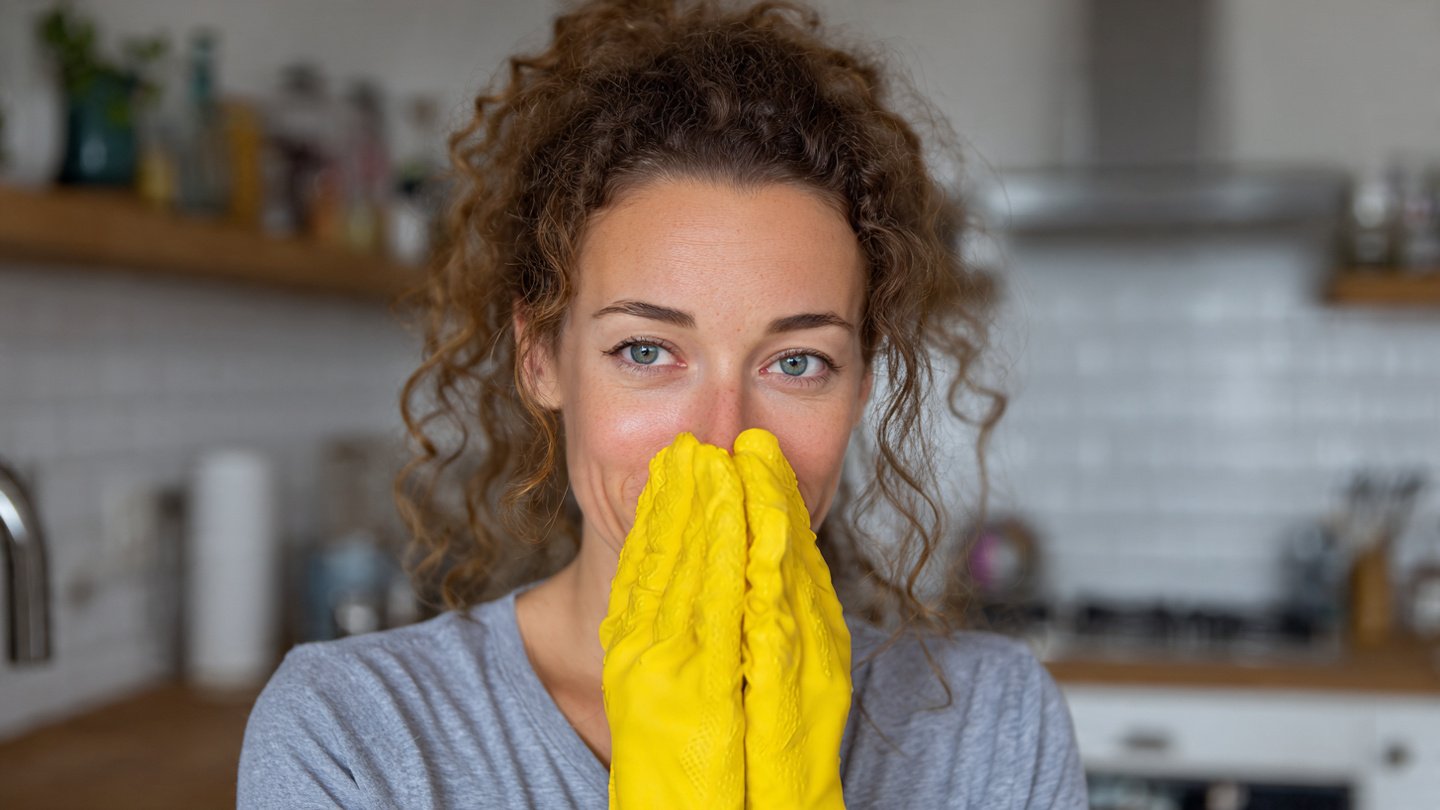

The kitchen is often considered the heart of the home, a place where families gather to prepare and share meals. However, it can also be a source of unpleasant odors and hidden health risks that are often overlooked. Understanding the causes of these odors, their potential health implications, and effective ways to manage them can enhance both the safety and enjoyment of this essential space.
The Science of Kitchen Odors
Kitchen odors can stem from a variety of sources, including cooking processes, food decay, and even cleaning agents. The primary cause of cooking odors is the Maillard reaction, a chemical reaction between amino acids and reducing sugars that gives browned foods their distinctive flavor and aroma. While this reaction is a crucial part of creating delicious meals, it can also lead to lingering odors if not adequately managed.
Common Culinary Odors
-
Fried Foods: The oil used for frying often leaves a strong scent, particularly if the oil is reused multiple times. The breakdown of fats during cooking can release volatile compounds that contribute to this odor.
-
Baking: The smell of baking bread or cakes is usually pleasant; however, burnt baked goods can generate acrid scents that linger long after the oven has been turned off.
-
Fish: Cooking fish can lead to strong, often offensive odors due to the breakdown of certain compounds, particularly trimethylamine, which releases a pungent scent.
-
Spices and Herbs: While fragrant spices can elevate a dish, they can also leave powerful odors behind that may blend into the kitchen environment.
-
Decaying Food: Leftover food that has gone bad can produce a foul smell due to bacterial growth, which is not only unpleasant but can also pose health risks.
Chemical Reactions and Odors
Certain cooking processes, such as boiling or steaming, produce water vapor that can carry odors throughout the kitchen. Additionally, chemicals in cleaning products, as well as off-gassing from kitchen furniture and appliances, can contribute to the overall odor profile.
Understanding these sources can help in creating a more pleasant cooking environment while mitigating potential health risks.
Hidden Health Risks Associated with Kitchen Odors
While many kitchen odors might be merely unpleasant, some can indicate underlying health risks. Here are some potential concerns:
1. Volatile Organic Compounds (VOCs)
Cooking can release VOCs into the air. These compounds are found in many household products, including paints and cleaning agents. Prolonged exposure to VOCs can lead to respiratory issues, headaches, and in some cases, long-term health problems.
2. Carbon Monoxide (CO)
Using gas stoves without proper ventilation can lead to carbon monoxide buildup in the kitchen. This colorless, odorless gas can be life-threatening at high levels. Symptoms of CO poisoning include headaches, dizziness, confusion, and fatigue.
3. Nitrogen Dioxide (NO2)
Gas stoves also emit nitrogen dioxide, which can irritate the lungs and lead to decreased respiratory function over time. Poor ventilation increases the risk of exposure, especially for individuals with asthma or other respiratory conditions.
4. Mold and Mildew
The kitchen’s humid environment can encourage the growth of mold and mildew, particularly in poorly ventilated areas. Exposure to mold can trigger allergic reactions, asthma attacks, and other respiratory issues.
5. Bacterial Growth
As mentioned earlier, spoiled food can harbor bacteria such as Salmonella or E. coli, which can lead to food poisoning. The odors emitted from decaying food often indicate the presence of harmful microorganisms.
6. Allergens
Cooking can also stir up allergens, including dust and pollen, especially in homes with pets. This can exacerbate conditions like asthma or allergies, potentially leading to reactive airway disease.
7. Chemical Burns
Certain cleaning agents used in the kitchen can produce strong odors that may indicate harmful fumes. Breathing in these chemicals can lead to respiratory distress, chemical burns, or long-term health risks.
Managing Kitchen Odors
Managing kitchen odors effectively can help mitigate the potential health risks associated with them. Here are some practical strategies:
1. Ventilation
Proper ventilation is crucial for minimizing odors and improving indoor air quality. Use exhaust fans, open windows, or install a range hood to enhance airflow. This can help expel cooking odors and reduce the concentration of harmful gases.
2. Air Purifiers
Investing in an air purifier equipped with HEPA filters can help reduce indoor pollutants and odors. These devices trap airborne particles, including dust, allergens, and VOCs, improving air quality.
3. Odor Absorbers
Natural odor absorbers, such as baking soda, activated charcoal, or vinegar, can neutralize unpleasant smells. Place bowls of these substances around the kitchen to help absorb odors passively.
4. Regular Cleaning
Maintaining a clean kitchen is essential for minimizing odors. Regularly clean surfaces, appliances, and the refrigerator to prevent the buildup of food residues that can lead to odors.
5. Proper Food Storage
Store perishable items in airtight containers and regularly check for spoiled food. If you notice any foul odors coming from the fridge, investigate immediately to prevent bacteria growth.
6. Cook with Care
Using cooking methods that produce less odor, such as steaming rather than frying, can minimize the impact of cooking smells. If frying is necessary, consider using an air fryer as a healthier alternative.
7. Natural Fragrance
Incorporate pleasant natural fragrances, such as simmering citrus peels or herbs, to mask unpleasant odors. This can create a more inviting atmosphere and distract from any unwanted smells.
Conclusion
The kitchen is an integral part of our lives, providing sustenance and creating cherished memories. However, understanding the sources of kitchen odors and their potential health risks is paramount in creating a safe and enjoyable culinary space. By adopting strategies to manage odors and improve air quality, you can transform your kitchen into a haven, allowing you to focus on what truly matters—delicious meals and quality time with loved ones.
In this age of heightened awareness about health and well-being, paying attention to what goes on in our kitchens is more important than ever. By taking proactive steps, we can not only enjoy the art of cooking but also ensure our kitchens are safe environments for everyone.