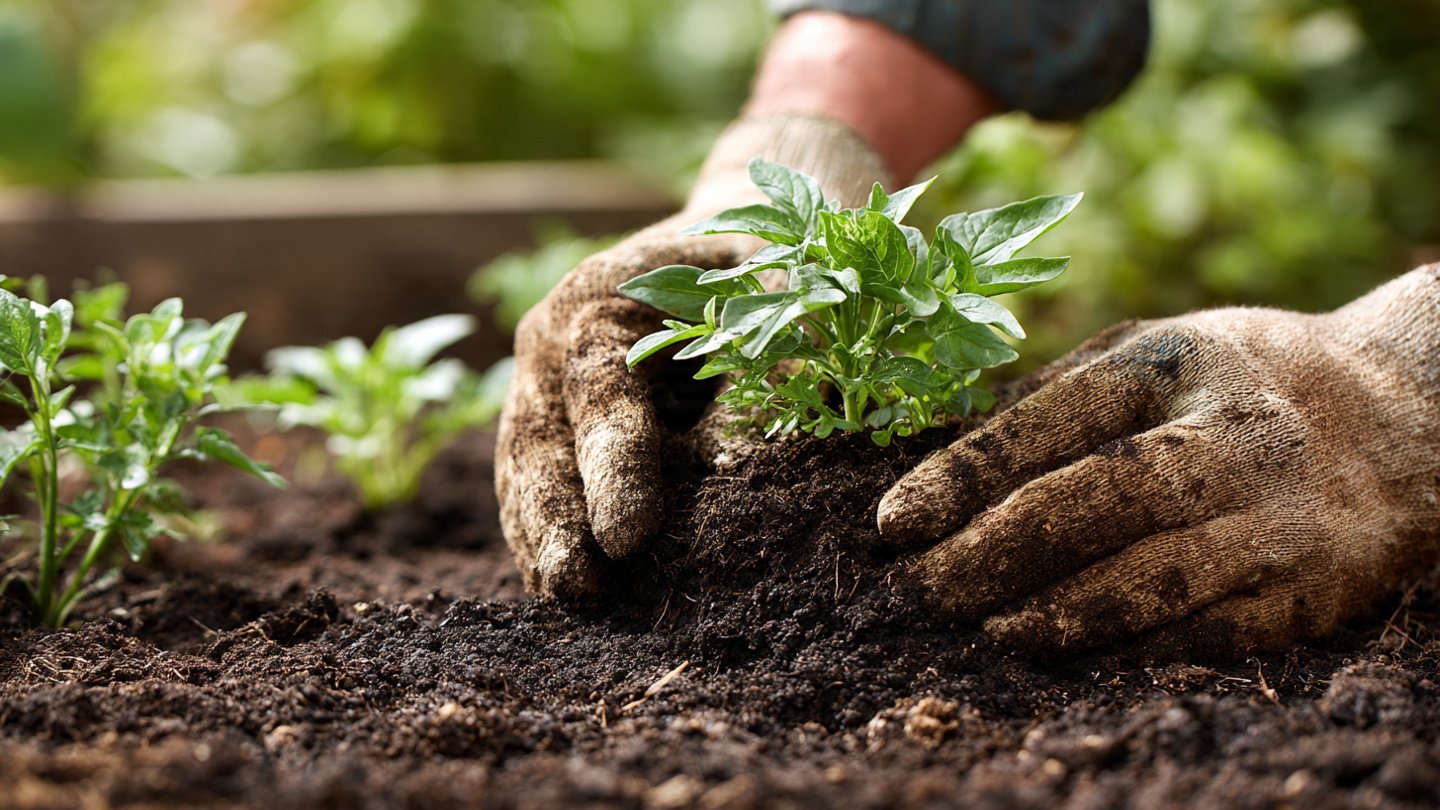

Gardening is a cherished pastime for many, offering a deep connection to nature and the satisfaction of nurturing plants from seed to bloom. However, the foundation of a productive garden lies in the health of its soil. Healthy soil is a living ecosystem teeming with microorganisms, worms, and other beneficial organisms that support plant growth. If you’re looking to enhance your garden’s soil life, adopting a simple morning habit can make a world of difference. This article delves into the vital role of soil health, the impacts of a morning routine, and practical tips for transforming your garden.
Understanding Soil Life
The Importance of Soil
Soil is not merely dirt; it is a complex blend of minerals, organic matter, air, water, and countless living entities. This ecosystem supports plants, regulates the water cycle, and contributes to nutrient cycling. But the benefits don’t stop there. Healthy soils can also help mitigate climate change by sequestering carbon, reduce the need for chemical fertilizers, and prevent soil erosion.
Soil Organisms: The Unsung Heroes
-
Microorganisms: Bacteria, fungi, protozoa, and nematodes play crucial roles in breaking down organic matter and recycling nutrients. They form symbiotic relationships with plant roots, enhancing nutrient uptake.
-
Earthworms: Often called “nature’s plow,” earthworms aerate the soil and create channels for water infiltration. Their castings are nutrient-rich, providing an excellent fertilizer for plants.
-
Insects and Arthropods: Beetles, ants, and other soil-dwelling creatures contribute to soil aeration and decomposition. They help break down organic matter, enriching the soil.
-
Lichens and Other Fungi: These organisms form beneficial networks in the soil, connecting plants and enhancing nutrient exchange.
Soil Health Indicators
A healthy soil ecosystem exhibits certain characteristics, including:
- Good structure: Well-aerated soil with a crumbly texture.
- Rich organic matter: Dark color and the presence of decomposed leaves or compost.
- Diverse soil life: Visibility of earthworms, insects, and fungal networks.
To assess your soil health, consider conducting a soil test to check pH, nutrient content, and organic matter levels.
The Morning Habit: Daily Soil Tending
Creating healthier soil life doesn’t require extensive changes. A simple morning routine focused on soil care can yield remarkable results. Here’s how to establish this beneficial habit.
Step 1: Observe Your Garden
Before embarking on any physical tasks, take 10-15 minutes each morning to observe your garden. Look for signs of life and health, such as vibrant plant growth, the presence of beneficial insects, and the condition of the soil.
- Roots and Shoots: Check how plants are thriving. Are the leaves perky or wilting? Are roots healthy and established?
- Soil Condition: Gently probe the soil to feel its texture. Is it crumbly and moist, or compact and dry?
Observing your garden fosters a deeper connection with nature. This daily practice cultivates mindfulness, allowing you to become attuned to the subtle changes in your garden’s ecosystem.
Step 2: Gentle Soil Aeration
Soil compaction can adversely affect plant growth. Aerating your soil allows air, water, and nutrients to penetrate deeper, promoting a thriving ecosystem. Use garden forks or handheld aerators to gently poke holes into the soil surface—this should be done with care to avoid disturbing vital roots.
- When to Aerate: Aim for mornings when the soil is damp but not wet. This effort is best done during the growing season, particularly in spring and fall.
Step 3: Composting
Incorporating organic matter through composting is one of the best methods for enriching soil life. Set aside a few minutes each morning to add kitchen scraps and garden waste to your compost bin.
- What to Compost: Include fruit and vegetable scraps, coffee grounds, eggshells, and garden clippings. Avoid meat, dairy, and oily foods.
Composting not only boosts soil fertility when applied but also helps in nourishing the myriad organisms that live within the soil.
Step 4: Mulching
Mulching is another vital practice that benefits soil life. Organic mulch, such as wood chips, straw, or shredded leaves, conserves moisture, regulates soil temperature, and adds nutrients as it breaks down.
- How to Mulch: In the morning, apply a layer of mulch around your plants, ensuring it’s no thicker than three inches. This will suppress weeds and promote healthy soil biology.
Step 5: Watering Techniques
Morning is an ideal time to water your garden. Watering early allows plants to absorb moisture before the heat of the day, reducing evaporation loss.
- How to Water: Use soaker hoses or drip irrigation to deliver water directly to the roots. This method minimizes disturbance to soil organisms and ensures water reaches deep into the soil.
Step 6: Introduce Beneficial Microbes
Enhancing soil life can be further nurtured by introducing beneficial microbes through microbial products or compost teas. Making a compost tea involves steeping compost in water and applying the liquid to your soil.
- How to Make Compost Tea: Fill a bucket with mature compost, add water, and let it steep for 24-48 hours. Strain the liquid and apply it to the soil around your plants.
Step 7: Fertilize Organically
If your soil requires additional nutrients, choose organic fertilizers derived from natural sources, such as bone meal, fish emulsion, or kelp. Applying these natural fertilizers in the morning allows the nutrients to be readily available.
- Application Techniques: Follow product instructions, ensuring even distribution around root zones.
Building a Community of Gardeners
Sharing tips and techniques with fellow gardeners enhances the practice of maintaining soil health. Consider forming or joining a local gardening group to discuss challenges, exchange ideas, and inspire others to adopt morning routines that focus on soil life.
Collaborative Gardening Efforts
Plan community gardening days where you can collectively aerate, compost, and mulch. This helps build a sense of community while improving local soil health.
The Results: Transforming Your Garden
Implementing a morning habit centered on caring for your soil can lead to transformative results in your garden:
-
Enhanced Fertility: Improved soil structure and nutrient availability lead to greater plant vigor and yield.
-
Increased Biodiversity: A healthy environment attracts diverse species, creating a rich ecosystem that supports various plants and beneficial insects.
-
Resilience: Healthy soils can better withstand periods of drought and heavy rainfall, making your garden more resilient to climate extremes.
-
Sustainable Practices: By adopting organic methods and reducing reliance on synthetic fertilizers, you contribute positively to the environment and promote biodiversity.
-
Personal Well-Being: The act of tending to your garden can provide mental clarity, reduce stress, and promote physical activity.
Conclusion
Transforming your garden has never been simpler. By setting aside a little time each morning to attend to your soil, you nurture not just the plants but the entire ecosystem. These simple yet powerful habits foster healthier soil life, which in turn supports flourishing plants, vibrant pollinators, and thriving garden biodiversity. The positive impacts extend beyond the garden, enriching your life and connecting you to the natural world. Embrace the morning—a time steeped in possibility—and cultivate a healthier, more resilient garden. Your soil—and your spirit—will thank you.