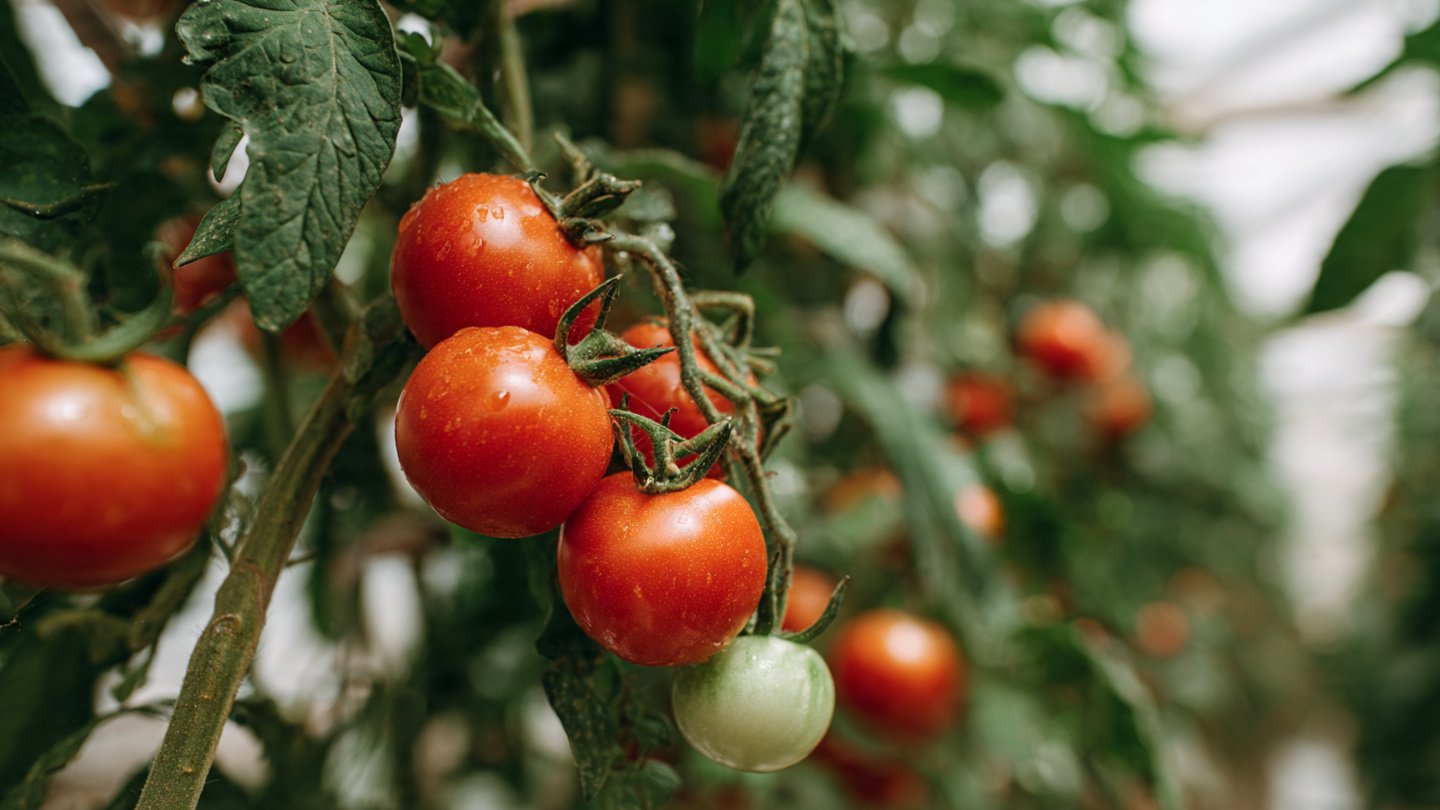

Tomatoes are one of the most popular garden vegetables globally, cherished for their versatility in the kitchen and their nutritional benefits. However, their successful cultivation is often more complex than simply planting seeds and waiting for ripe fruits. Many gardeners focus on soil health, watering techniques, and pest management but overlook critical environmental factors that can significantly influence tomato growth, especially midseason. In this article, we will explore several often-overlooked environmental factors that can affect tomato growth during this pivotal phase.
1. Soil Temperature
Importance of Soil Temperature
Soil temperature plays a crucial role in seed germination, root development, and overall plant health. While most gardeners are aware that tomatoes thrive in warm soils, they often underestimate the impact of temperature fluctuations on midseason growth.
Optimal Ranges
Tomatoes prefer soil temperatures between 70°F to 85°F (21°C to 29°C). Soil temperatures outside of this range can slow growth, hinder nutrient uptake, and even lead to physiological disorders. For example, cooler soils can inhibit root respiration and slow down the overall metabolism of the plant.
Temperature Fluctuations
Midseason, it’s not just the average temperature that matters but also the fluctuations experienced both day and night. Sudden drops in temperature during the evening can shock plants, leading to stunted growth and increased susceptibility to diseases.
2. Humidity Levels
Humidity and Plant Metabolism
Humidity affects transpiration rates and can have profound impacts on tomato growth midseason. High humidity can lead to excessive dampness around the plant, increasing the risk of fungal diseases like blight and powdery mildew.
Management Strategies
Gardeners should monitor humidity levels and use techniques such as increased spacing between plants or the use of fans in enclosed spaces to reduce humidity. Conversely, if the humidity is too low, tomatoes may not absorb water efficiently, resulting in stress and blossom drop.
3. Light Quality and Duration
Spectrum of Light
Most gardeners know that sunlight is vital for photosynthesis, but they often overlook the quality of light that plants receive. Tomatoes require full-spectrum light; different wavelengths affect plant growth in various ways. For instance, red light encourages flowering and fruiting, while blue light is essential for vegetative growth.
Growth Stages
During midseason, tomatoes are typically focused on fruit development, so ensuring they receive adequate red light is critical. Gardeners can use reflective materials to enhance light quality, especially if plants are shaded by neighboring vegetation or rows.
4. Air Circulation
Importance of Air Flow
Poor air circulation can lead to higher humidity levels around plants, setting the stage for disease development. Tomatoes are especially prone to diseases like fungal infections when air movement is restricted.
Practical Solutions
To mitigate these risks, gardeners can practice techniques such as pruning lower leaves to improve airflow or using trellises to elevate plants off the ground. Good air circulation also supports pollinators, crucial for pollination.
5. Soil pH
Optimal pH Levels
While many gardeners test soil nutrients, they often forget to measure soil pH, which can significantly impact nutrient availability. Tomatoes prefer a slightly acidic pH range of 6.0 to 6.8. Midseason, nutrient uptake becomes critical, and if the soil pH is outside this range, essential nutrients like nitrogen, phosphorus, and potassium may become locked out.
Remediation Methods
If soil pH levels are too high or too low, various amendments can be added. For example, sulfur can lower pH, while lime can raise it. Testing regularly, especially midseason when plants are actively growing, can ensure optimal conditions.
6. Microclimate Factors
Understanding Microclimates
Microclimates refer to localized climatic conditions that differ from the larger surrounding area. Factors like nearby buildings, water bodies, or topographical features can create unique growing conditions.
Influence on Growth
Plants in protected microclimates may enjoy longer growing seasons but could also face challenges like rapid temperature fluctuations. Understanding your garden’s microclimate can help you select appropriate tomato varieties and determine optimal planting and maintenance strategies.
7. Water Quality
Water Composition
While gardeners often focus on the quantity of water provided to their plants, the quality of that water is equally significant. Water quality can influence plant growth and health, particularly midseason when tomatoes are actively growing and fruiting.
Factors in Water Quality
Contaminants like chlorine, fluoride, or heavy metals can negatively impact tomato plants. Ideally, rainwater or water from a clean source should be used for irrigation. It’s also essential to test the salinity of the water, as high levels can stress plants and reduce crop yields.
8. Nutrient Management
Nutrient Balance
While it is common to focus on major nutrients (nitrogen, phosphorus, potassium), tomatoes also need secondary and micronutrients like magnesium, calcium, and iron. Midseason, nutrient demands increase as the plants focus on fruit set and development.
Nutrient Deficiencies
Gardeners should be vigilant in recognizing signs of nutrient deficiencies. For example, blossom-end rot, characterized by dark spots on the bottom of fruits, can indicate a calcium deficiency, often exacerbated by irregular watering.
Fertilization Timing
The timing and method of fertilization are crucial during the midseason when plants demand higher nutrient levels. Slow-release fertilizers can provide steady nutrition, while liquid fertilizers can be used for quick boosts.
9. Pest and Disease Pressure
Midseason Threats
As the season progresses, tomatoes become more vulnerable to pests and diseases. Midseason is often when infestations peak, which can complicate growth and yield if not managed effectively.
Integrated Pest Management (IPM)
IPM strategies should include careful scouting and monitoring of plants for signs of pests and diseases. Employing companion planting, using natural predators, and applying organic treatments can help in managing these threats without negatively impacting plant health.
10. Growth Habits & Pruning Techniques
Understanding Growth Types
Tomato plants can be categorized as determinate (bushy type) or indeterminate (vining type), and this influences their growth habits and nutrient demands. Understanding your tomato variety will help tailor your care during midseason.
Pruning for Health
Pruning can enhance airflow and focus the plant’s energy on fruit development. However, over-pruning can stress the plant and reduce yields. It’s crucial to strike a balance, especially midseason when plants are at their most vulnerable.
Conclusion
Growing tomatoes successfully midseason involves much more than the basics of soil, water, and sunlight. Environmental factors such as soil temperature, humidity, light quality, air circulation, pH, microclimates, water quality, nutrient management, pest pressure, and specific growth habits all play intricate roles in the health and productivity of your tomato plants. By considering these often-overlooked factors and modifying your gardening practices accordingly, you can significantly improve your chances of a bountiful tomato harvest.
As you tend to your garden, remain observant and responsive to these environmental factors. The knowledge gained from understanding them can lead you to unexpected rewards in your tomato-growing endeavors. Happy gardening!