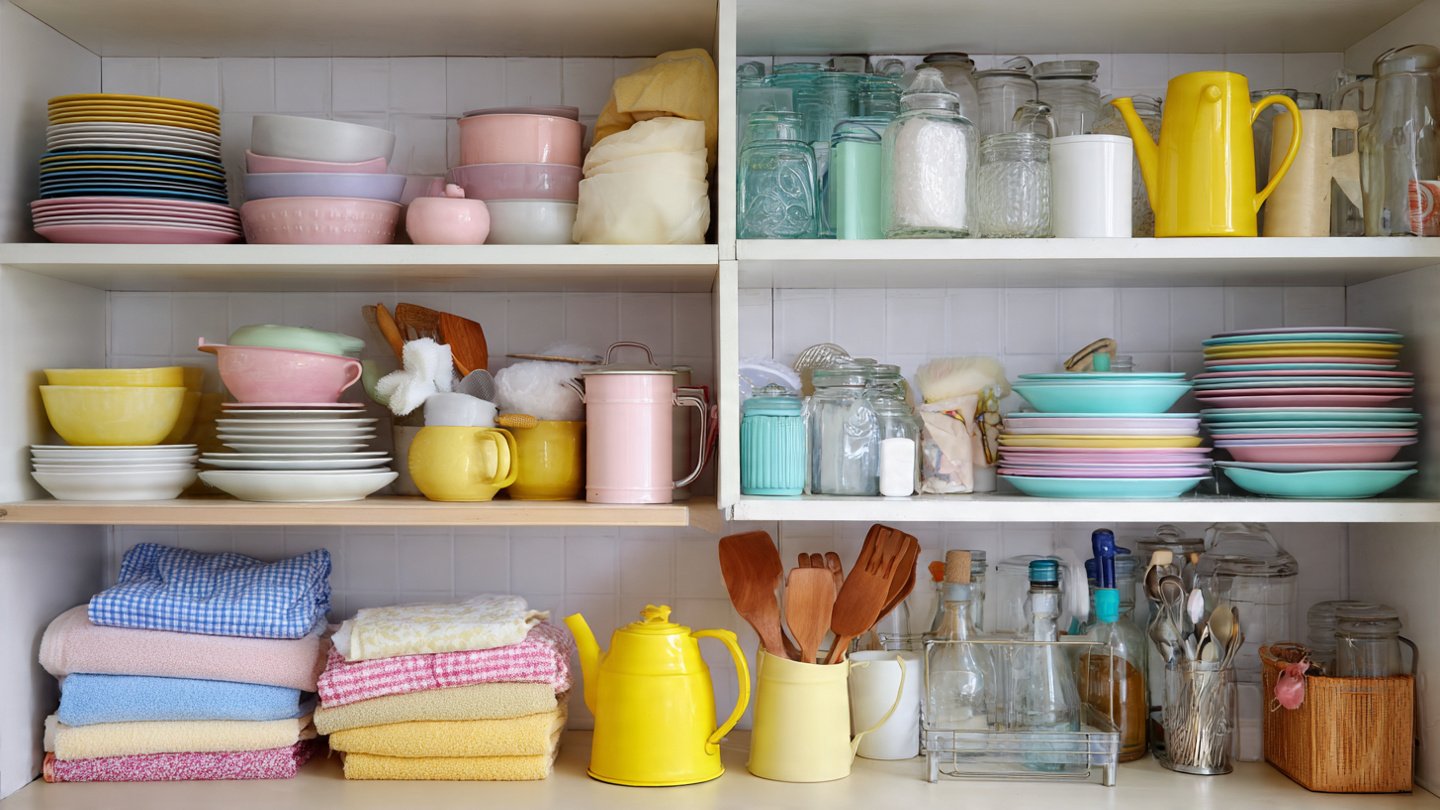

Living in a tidy and organized home is often seen as a luxury rather than a necessity. However, maintaining a clean and aesthetically pleasing living environment has profound benefits for mental clarity, productivity, and overall well-being. But how do organized people achieve this remarkable feat of tidiness? There are unspoken guidelines that they often follow. In this article, we dive deep into these unwritten rules that contribute to the presence of tidy homes.
1. The 10-Minute Rule
One of the most effective strategies employed by organized individuals is the ‘10-Minute Rule.’ The essence of this rule is simple: dedicate just ten minutes every day to tidying up specific areas of your home. By setting a limited time frame, you make the task less daunting and easier to start. Here are some examples:
- Cleaning a messy kitchen countertop
- Organizing your desk at the end of the day
- Dusting off furniture in the living room
By incorporating this rule into your daily routine, you can maintain tidiness and prevent clutter from accumulating over time.
2. Everything Has a Place
Another unspoken guideline that organized people follow is the idea that everything should have its designated place. This translates to knowing where items belong and returning them to that location after use. This habit not only minimizes clutter but also makes finding things easier. To implement this guideline:
- Assign a specific drawer or shelf for every item.
- Store frequently used items in easily accessible locations.
- Use storage bins to separate different categories of items.
By creating a system for your belongings, you make it easier to keep your home organized.
3. The One In, One Out Rule
To prevent clutter accumulation, many organized individuals practice the ‘One In, One Out’ rule. This guideline dictates that for every new item you bring into your home, you must remove one. This can be particularly useful when it comes to clothing, decor, or kitchen items, helping maintain balance. Here’s how to embrace this rule:
- Regularly assess your belongings.
- Be mindful of what you purchase and consider its necessity.
- Donate or recycle items that are no longer useful to you.
4. Daily Habits Matter
The small daily habits we develop can have significant effects on maintaining a tidy home. Organized individuals often adhere to specific routines that minimize mess:
- Make your bed every morning to set the tone for the day.
- Clean up as you cook; wash dishes immediately rather than letting them pile up.
- Tidy living spaces before going to bed to wake up to a clean home.
Integrating these habits into your daily routine helps maintain an organized living space without feeling overwhelmed.
5. Declutter Regularly
Decluttering is essential to keeping a tidy home, but it’s often overlooked. Organized individuals continuously assess their belongings and declutter regularly. A good approach is to schedule decluttering sessions, whether that’s once a month or every season. Here are some tips:
- Sort items into categories: keep, donate, recycle, or throw away.
- Use the “12-month rule”: if you haven’t used something in over a year, consider letting it go.
- Focus on small areas at a time, like a single room or closet.
6. Multifunctional Spaces
Incorporating multifunctional spaces into your home can significantly reduce clutter. For instance, if a room serves multiple purposes—such as a home office that also functions as a guest bedroom—you’ll require less furniture, resulting in a tidier space. Here are a few ideas:
- Use a fold-out desk to optimize your workspace.
- Keep a storage ottoman for hiding away blankets or small items.
- Implement a Murphy bed for guest rooms that provides extra floor space.
7. Labels Are Your Friends
Labels can be an organized person’s best ally. Labeling boxes, bins, and shelves makes it easier to find items and encourages everyone in the household to return items to their designated spots. Here’s how to implement labeling effectively:
- Use a label maker for a clean, uniform look.
- Label containers with specific categories (e.g., “seasonal decorations,” “office supplies,” etc.).
- Encourage kids to label their own items for educational engagement.
8. The 80/20 Rule
Applied to home organization, the 80/20 Rule provides a guideline for simplifying your belongings. Typically, we use only 20% of our items 80% of the time. Identifying those essential items can help you minimize clutter effectively:
- Evaluate clothing: Focus on the items you wear frequently.
- Assess kitchen utensils: Purge duplicates, and keep only what you use regularly.
- Prune decorations to highlight your favorites instead of crowding surfaces.
9. Invest in Quality Storage Solutions
Investing in quality storage solutions can change the organization game. Organized people often utilize clear bins, stylish baskets, and functional furniture to enhance tidiness. Here are some suggestions:
- Use stackable bins for maximizing vertical space.
- Choose aesthetically pleasing storage containers to maintain visual appeal.
- Opt for clear bins to allow for easy identification of items inside.
10. Set a Cleaning Schedule
Finally, organized individuals often set a cleaning schedule to ensure that every part of their home is regularly attended to. This prevents overwhelming cleaning tasks from piling up. Here’s a sample cleaning schedule:
- Daily: Tidy living spaces, wash dishes, and dust surfaces.
- Weekly: Vacuum, mop floors, and clean bathrooms.
- Monthly: Declutter and organize closets, check pantry supplies, and deep clean.
Conclusion
Maintaining a tidy home doesn’t have to be a Herculean task. By following these unspoken guidelines, anyone can cultivate an organized living space. From the 10-Minute Rule to establishing daily habits, the key is consistency and mindfulness. The end result will not only be a more pleasant living environment but also a significant boost in mental well-being and productivity. Start small, and you’ll find that the path to a tidy home is not only achievable but also exceptionally rewarding.
FAQs
1. How long does it take to achieve a tidy home?
The time it takes varies based on the current state of your home and the methods you employ. Start with small tasks, and you’ll gradually see improvements over weeks and months.
2. What if I live with others who are not as organized?
Focus on areas within your control, and try to communicate the benefits of organization with your household. Collaborate on establishing common spaces that everyone can contribute to maintaining.
3. Can I use these guidelines in a small apartment?
Absolutely! In fact, many of these tips are particularly beneficial in small spaces where clutter can quickly accumulate. Focus on multifunctional spaces and effective storage solutions.
4. How can I motivate myself to keep my home tidy?
Set specific goals, create a reward system for maintaining tidiness, and remind yourself of the positive benefits of living in an organized space. Create a pleasant environment that you enjoy being in.
5. What should I do if I feel overwhelmed by decluttering?
Break the process into manageable chunks. Tackle one room or even one area of a room at a time, and give yourself permission to take breaks as needed.