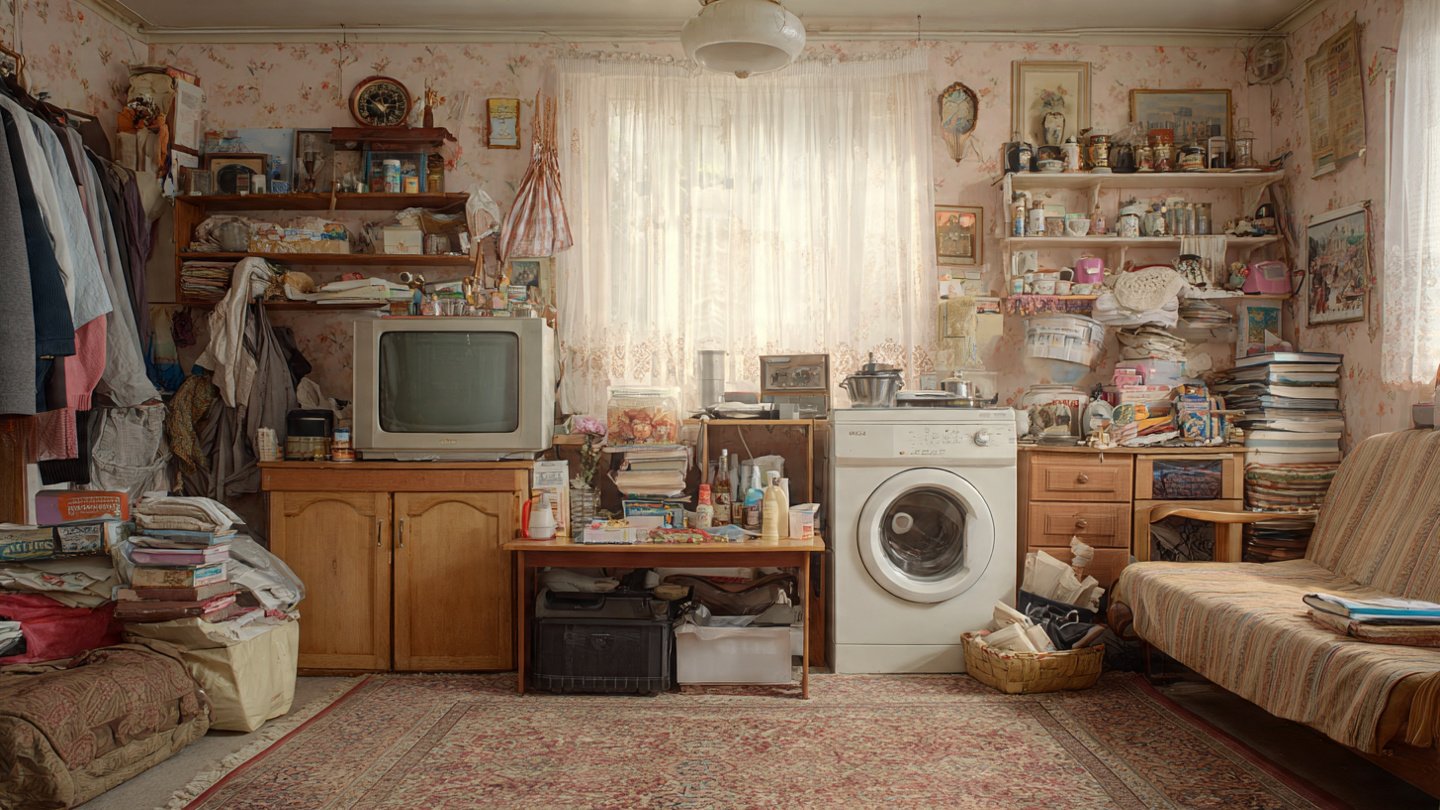

In an increasingly chaotic world, the idea of a tidy home has become more than just an aesthetic choice; it’s a vital component of mental clarity and well-being. Creating a peaceful living environment is akin to crafting a sanctuary that promotes serenity amidst the whirlwind of modern life. But what does it mean to have a tidy home, and how can invisible habits help you achieve this ideal? Let’s explore the profound impact of organizing our living spaces and the lifestyle changes that can lead to lasting transformation.
The Concept of Tidy Homes
A tidy home transcends the notion of mere cleanliness. It embodies a philosophy of intentional living, where every item serves a purpose, and every space is maximized for functionality and comfort. When we talk about “tidy,” we often envision decluttered surfaces and neatly arranged belongings. However, the heart of tidiness lies in the habits that help maintain this order.
So, how do we cultivate a tidy home? The answer lies in recognizing and developing invisible habits—routine behaviors that may not be immediately noticeable but create a significant impact over time. Let’s delve into some of these transformative habits.
Invisible Habits that Transform Your Home
1. The Daily 10-Minute Tidy-Up
One of the simplest yet most effective habits is dedicating just 10 minutes each day to tidying. This could mean putting away items that are out of place, wiping down surfaces, or addressing the laundry. By incorporating this habit into your daily routine, you prevent clutter from accumulating, making it less daunting to maintain your home.
2. The One-In, One-Out Rule
This habit encourages you to be mindful of new purchases. For every item you bring into your home, consider removing one item. This practice not only helps control clutter but also promotes intentionality in your buying decisions, ensuring that your living space remains functional and pleasing.
3. Designate a Place for Everything
Understanding where each item belongs is crucial in maintaining order. By designating a specific place for everything—from keys to kitchen tools—you reduce the time spent searching for items, thereby minimizing frustration and enhancing efficiency.
4. Embrace Minimalism
The minimalist philosophy champions the idea that having less can often provide more satisfaction. By evaluating your possessions and keeping only what you truly need or cherish, you not only clear physical space but also declutter your mind. Embracing minimalism can lead to profound emotional and mental clarity.
5. Implement a Cleaning Schedule
Creating a cleaning schedule can significantly reduce the feeling of overwhelm. Break down chores into manageable tasks that are spread throughout the week or month. This structured approach ensures that cleaning becomes a regular part of your routine rather than a monumental effort that looms over you.
Emotional and Psychological Benefits
A tidy home offers much more than aesthetic pleasure; it can lead to significant emotional and psychological benefits. Here are a few reasons why maintaining a tidy environment is essential:
- Reduced Stress: Clutter can serve as a constant reminder of unfinished tasks and commitments. A tidy space promotes a peaceful mindset, reducing overall stress levels.
- Enhanced Focus: A clean environment can significantly improve concentration and productivity. Without distractions, your mind can focus more effectively on tasks at hand.
- Increased Motivation: A tidy home can serve as an inspirational space that motivates you to accomplish your goals, whether they are personal or professional.
- Sense of Control: In a world where many factors are beyond our control, maintaining a tidy home empowers you to take charge of your environment, contributing to a sense of stability.
Implementing Change in Your Lifestyle
Transforming your living space is not merely about physical adjustments; it often requires a shift in mindset. Here are some strategies for implementing these invisible habits into your daily life:
1. Start Small
Change doesn’t have to be overwhelming. Begin by tackling small areas of your home—like a single drawer or a corner of a room. Gradually expand your efforts as you build confidence and experience success.
2. Set Clear Goals
Establish specific, measurable goals for your tidying efforts. This might include decluttering one room each week or committing to the daily tidy-up habit for a month. Clear goals provide direction and motivation, making the process feel more achievable.
3. Involve Others
Encourage family members or housemates to join in the tidying efforts. Creating a collaborative environment fosters accountability and can make the process more enjoyable. Consider making tidy-up sessions a family activity.
4. Reflect Regularly
Take time to reflect on your progress. Analyze how these new habits have impacted your life and emotional well-being. Reflection allows you to recognize challenges and successes, helping you to adjust your approach as needed.
Conclusion
Creating a tidy home is a journey that encompasses both physical organization and the development of invisible habits. By embracing small daily practices, such as tidying up for just ten minutes or implementing the one-in, one-out rule, you can transform not only your living space but also your mindset. A tidy environment fosters clarity, focus, and peace, ultimately leading to a more fulfilling and balanced life. The changes might be subtle at first, but over time, they culminate in a significant shift that enriches your daily experiences.
FAQs
1. How long does it take to see the benefits of a tidy home?
The benefits can often be felt almost immediately after decluttering and organizing. However, ongoing habits take time to develop consistency, usually around 21 to 30 days to become ingrained.
2. What if I have a lot of sentimental items?
It’s natural to hold onto sentimental items. Consider creating a dedicated space for these items or taking photos of them to preserve memories without keeping physical clutter.
3. How do I stay motivated to maintain a tidy home?
Setting routines, involving family, and reminding yourself of the benefits can help maintain motivation. Keeping visual reminders of your progress can also serve as an encouragement.
4. What are some quick tips for a last-minute tidy-up before guests arrive?
Focus on visible areas: clear surfaces, fluff cushions, and tidy up entryways. Gather clutter into a bin or basket for later organization and wipe down surfaces for a quick freshen-up.
5. Can I still have a tidy home if I have kids or pets?
Absolutely! Involve children in the tidying process from a young age, making it a fun activity. For pets, consider designated areas for toys and proper storage solutions to keep things organized.