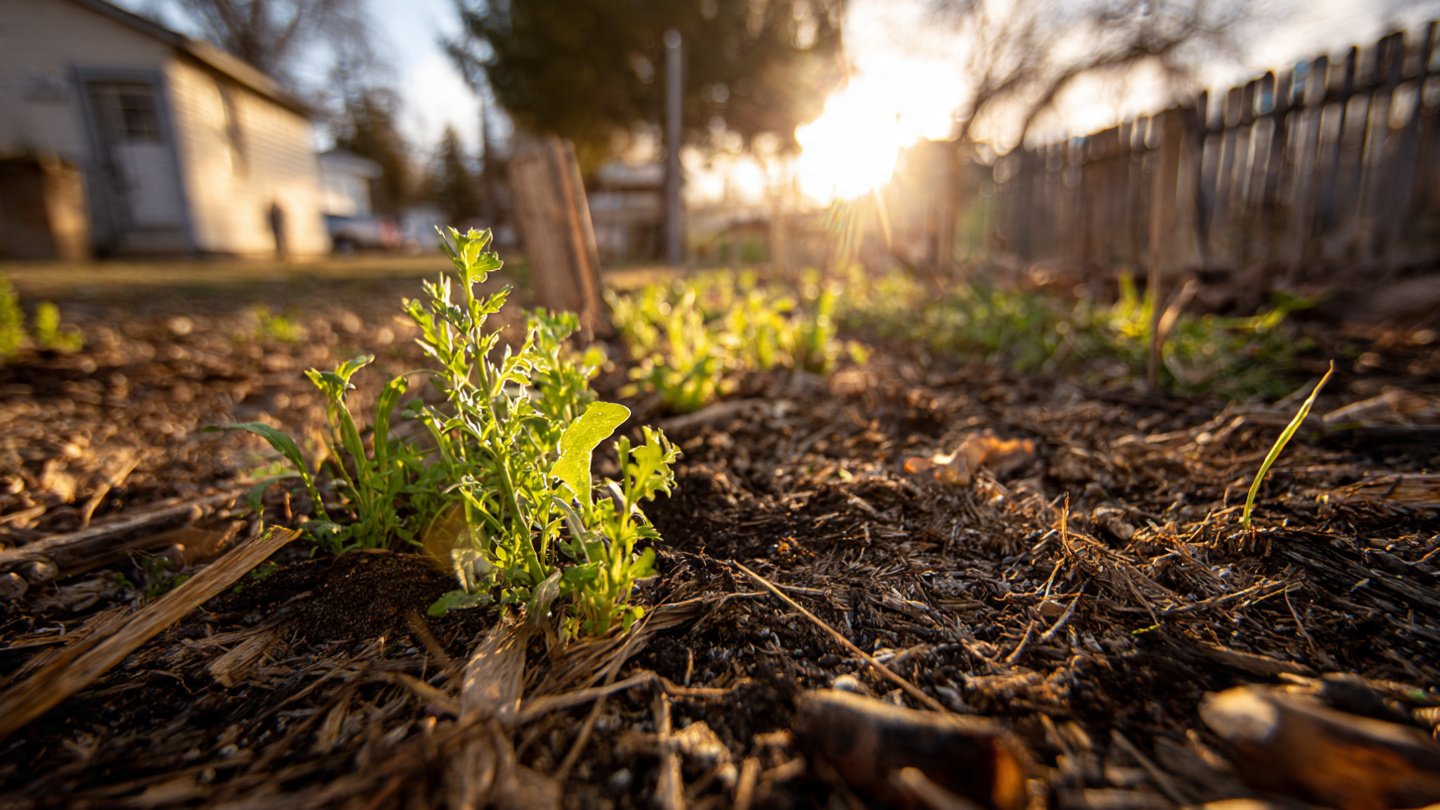

Creating a thriving garden involves more than just planting seeds and watering them; it requires a deep understanding of the ecosystem in which your plants grow. One of the pivotal factors influencing plant health is soil microbial activity. Interestingly, recent studies suggest that an early sunlight habit can significantly enhance this microbial activity, leading to greener, more robust gardens. This article explores how early sunlight affects soil health and offers practical tips for gardeners.
The Role of Sunlight in Soil Microbial Activity
Soil is a dynamic ecosystem teeming with life, including bacteria, fungi, archaea, and other microorganisms. These organisms play a crucial role in nutrient cycling, soil structure, and overall plant health. Sunlight is essential for photosynthesis, but its influence extends below the soil surface.
When the sun rises, the temperature of the soil begins to increase, which promotes microbial activity. Microorganisms react positively to the warmth, speeding up their metabolic processes. This is vital for several reasons:
- Nutrient Cycling: Microbial activity aids in breaking down organic matter, releasing essential nutrients that plants can readily absorb.
- Soil Structure: Beneficial microbes help form soil aggregates, improving aeration, water retention, and root penetration.
- Plant Health: Active microbial communities can outcompete pathogenic organisms, thereby protecting plants from diseases.
Optimal Timing for Sunlight Exposure
To maximize the benefits of early sunlight, gardeners should consider both the timing and orientation of their plants. Early sunlight typically refers to the sunlight received in the morning hours, which is quite different from the harsher midday sun.
Benefits of Morning Sunlight
Morning sunlight is gentle and less intense than later in the day, providing a warm, nurturing environment for both plants and soil microbes. Here are some compelling reasons to prioritize morning sunlight:
- Temperature Regulation: Morning temperatures are usually milder, which helps maintain an optimal environment for microbial growth without stressing plants.
- Reduced Evaporation: Soils tend to retain moisture better in the cooler morning, allowing beneficial microbes to thrive.
- Competition with Weeds: Morning sun can provide plants with the light they need to grow strong, helping them compete more effectively against weeds.
Implementing Early Sunlight Habits
To take full advantage of the benefits of early sunlight, here are some actionable tips for gardeners:
Choose the Right Location
Understanding your garden’s layout is crucial. Place sun-loving plants in areas where they can receive maximum early sunlight. Analyze how sunlight moves across your garden throughout the day and adjust your garden design accordingly.
Utilize Companion Planting
Consider grouping plants that benefit from early sunlight with those that may need a bit more shading later in the day. Companion planting can enhance overall plant health while ensuring that each plant receives the necessary light exposure.
Timing Planting and Maintenance
Schedule planting and gardening tasks, such as weeding or harvesting, for the early morning hours. This timing not only provides the best conditions for your plants but also encourages beneficial interactions between soil microorganisms and the garden ecosystem.
The Science Behind Soil Microbial Activity
Several studies have documented the relationship between sunlight exposure and microbial activity. Research indicates that ultraviolet (UV) light plays a vital role in stimulating microbial growth. Soil microorganisms depend on light to produce essential compounds like vitamins and amino acids, which are critical for their survival.
Moreover, certain beneficial fungi require light to activate their reproductive cycles. This emphasizes the importance of exposing soil to sunlight, particularly during the early hours when UV levels are milder.
Conclusion
Embracing an early sunlight habit can have profound impacts on soil microbial activity and, ultimately, the health and productivity of your garden. By optimizing sunlight exposure through careful planning and thoughtful gardening practices, you can create a thriving garden ecosystem that flourishes with vibrant plants and robust soil life. Remember that your garden is more than just plants; it’s a complex web of interactions, with sunlight playing a central role in nurturing that balance.
FAQs
1. How much sunlight do plants need for optimal growth?
Most plants require at least 6 hours of sunlight each day, but specific needs can vary depending on the species. Some plants thrive in partial shade, while others need full sun.
2. What are some signs of healthy soil microbial activity?
Signs include improved soil structure, a pleasant earthy smell, a presence of earthworms, and healthy, vibrant plants. Testing soil for microbial diversity can also give insights into its health.
3. Can too much sunlight harm soil microbes?
Yes, excessive sunlight can lead to soil overheating and moisture loss, harming microbial communities. Early morning sunlight is typically ideal as it provides warmth without causing stress.
4. How can I improve soil health apart from sunlight exposure?
Other ways to enhance soil health include adding organic matter such as compost, rotating crops, practicing cover cropping, and minimizing soil disturbance.
5. What types of plants benefit the most from morning sunlight?
Many vegetables, herbs, and flowering plants benefit from morning sunlight, including tomatoes, peppers, cucumbers, and sunflowers. They thrive best when exposed to the gentle light of morning hours.