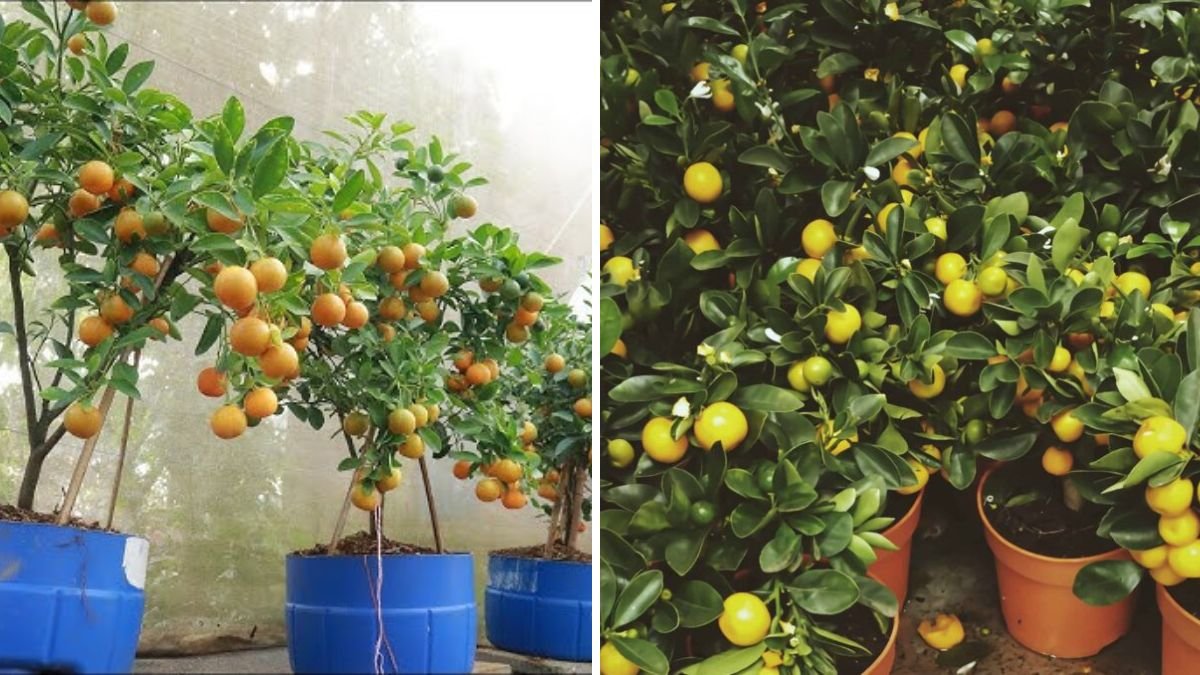

Growing fruit trees at home doesn’t have to be difficult, expensive, or time-consuming. In fact, you can grow healthy, productive kumquat and lemon trees right in your garden, balcony, or terrace using nothing more than cut branches. This method—called branch propagation or cutting propagation—is simple, fast, and perfect for home gardeners who want fresh citrus fruit without waiting years for trees to mature from seeds.
Using branches instead of seeds ensures the new plant inherits all the qualities of the mother tree: better taste, faster fruiting, disease resistance, and predictable growth. In this 1200-word guide, you’ll learn how to grow kumquat and lemon trees at home using a few cut branches and some basic materials. This method works in all climates and all home spaces.
🌱 Why Grow Kumquat & Lemon Trees from Branches?
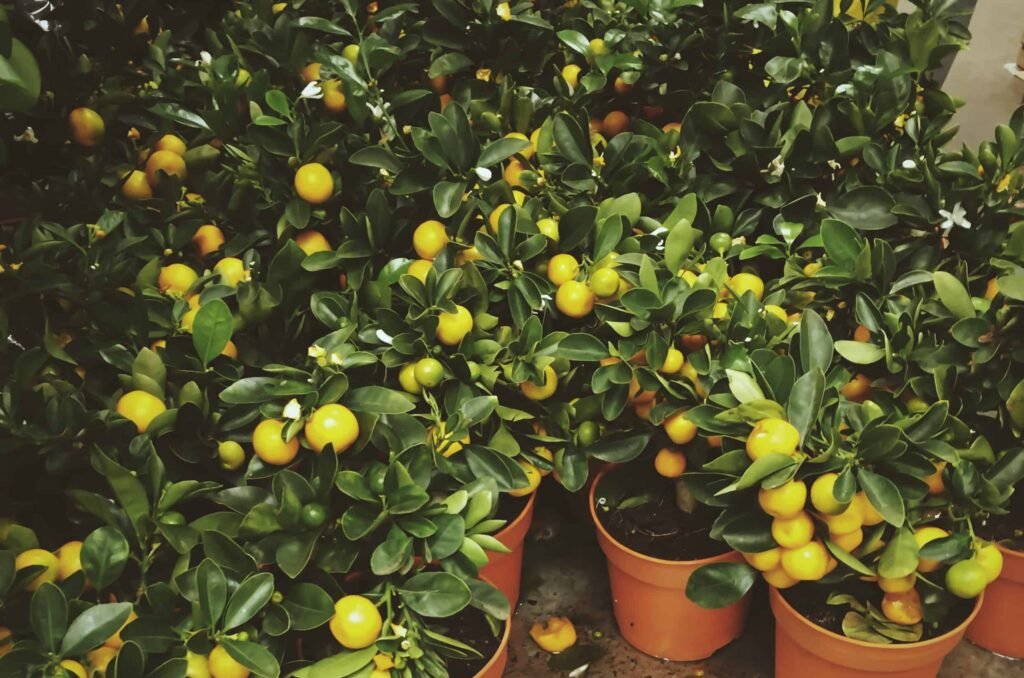
Growing citrus trees from cut branches offers many advantages:
✔ Faster Fruit Production
Cuttings grow up to 3 times faster than seed-grown plants and may start fruiting within 1–2 years.
✔ Guaranteed Good Quality
Since the cutting is genetically identical to the mother plant, you get exactly the same:
- Taste
- Aroma
- Fruit size
- Productivity
✔ Low Cost & Beginner Friendly
All you need is a branch, soil, and a container.
✔ Perfect for Home Gardens
Works in balconies, terraces, backyards, and indoor growing spaces with sunlight.
✔ No Special Tools Required
A knife or pruning shears and a pot are all you need.
Branch propagation is one of the best methods for growing citrus at home—naturally, affordably, and successfully.
🌿 Step 1: Choosing the Right Type of Branch
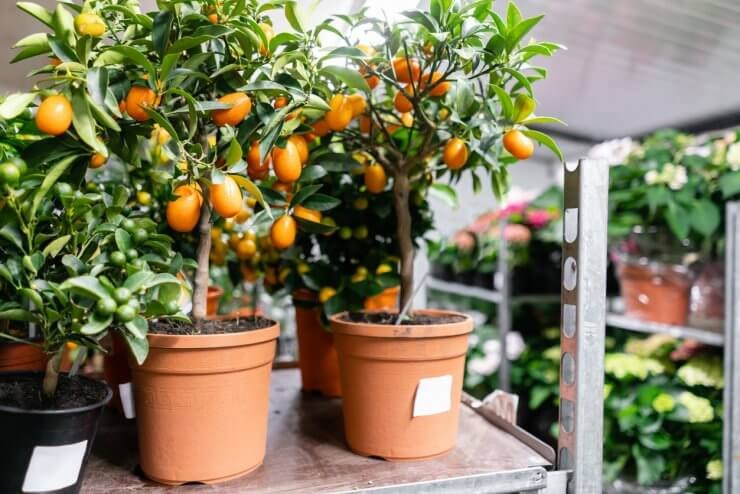
Healthy branches are the key to successful propagation.
✓ The Perfect Branch Should Be:
- Semi-hardwood (neither too soft nor too woody)
- 6–8 inches long
- Pencil-thick
- Taken from a healthy, fruit-bearing tree
- Free of disease or pests
Avoid:
- Yellow leaves
- Oversoft stems
- Very old, woody branches
- Branches with signs of fungus
Choosing the right cutting increases your success rate by 80%.
✂️ Step 2: Preparing the Branch for Planting
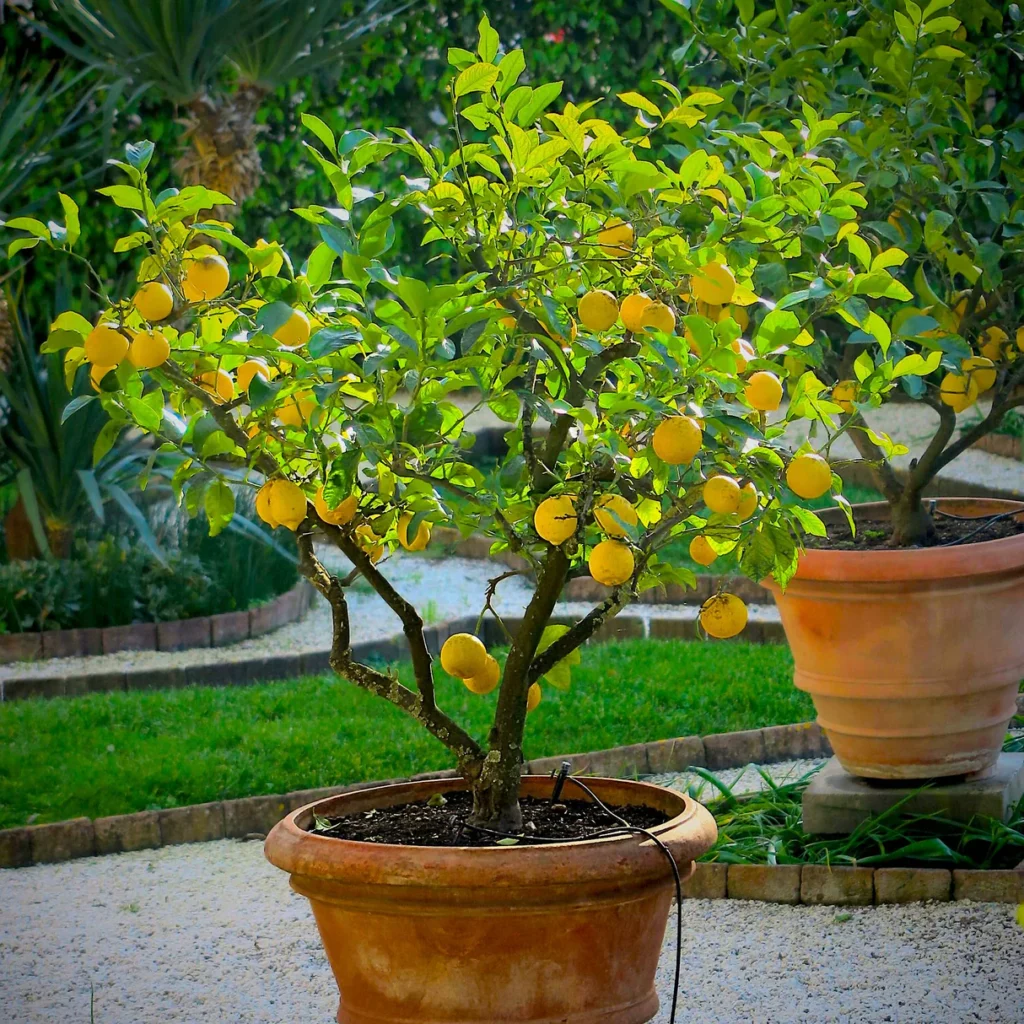
Once you cut the branch, proper preparation is essential.
How to Prepare the Cutting:
- Remove all leaves from the lower half.
- Keep only 2–3 leaves at the top to help with photosynthesis.
- Make a fresh cut at the bottom at a 45-degree angle.
- Lightly scrape 1–2 cm of bark near the bottom to expose the cambium layer (optional but helps rooting).
- Dip the cut end into rooting hormone or a natural alternative.
Natural Rooting Hormone Options:
- Aloe vera gel
- Cinnamon powder
- Honey
- Willow water
These increase root formation and prevent fungal infection.
🪴 Step 3: Preparing the Ideal Potting Mix
Citrus cuttings need a light, airy, and well-draining mix.
Best Potting Mix for Lemon & Kumquat Cuttings:

- 40% garden soil
- 30% cocopeat
- 20% sand or perlite
- 10% compost
Add Extras for Success:
- A handful of neem cake powder
- A pinch of fungicide (optional)
The mix should feel loose and crumble easily in your hand.
🌱 Step 4: Planting the Branch the Right Way
Now that your branch and soil mix are ready, it’s time to plant.
Planting Steps:
- Fill a 6–8 inch pot with the prepared mix.
- Make a hole in the center using a stick.
- Insert the treated cutting 2–3 inches deep into the soil.
- Press the soil firmly around it to remove air pockets.
- Water gently until the soil is moist—not soaked.
Very Important:
Make sure the cutting stands upright and does not wobble.
🌡️ Step 5: Creating a Mini Greenhouse for Faster Rooting
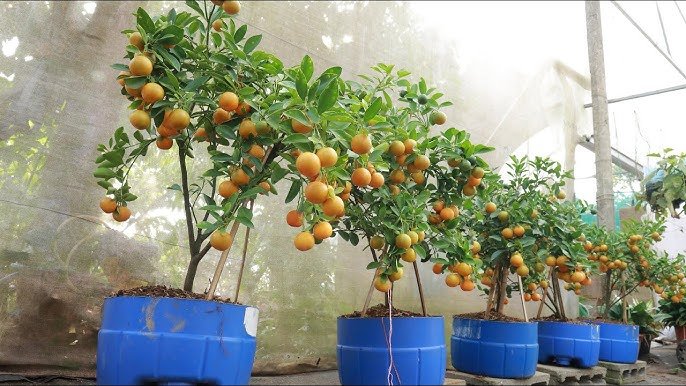
Citrus cuttings root best in warm, humid conditions.
Make a Simple Greenhouse Using Household Items:
- Cover the pot with a clear plastic bag.
- Tie it loosely around the pot.
- Keep space inside for air circulation.
- Place in a bright area but not direct harsh sunlight.
This creates:
- Higher humidity
- Stable temperature
- Faster rooting
Check Moisture Weekly
Avoid overwatering—the biggest enemy of cuttings is rot.
☀️ Step 6: Sunlight and Temperature Requirements
Citrus loves light but needs protection during rooting.
During Rooting:
- Keep in bright, indirect sunlight
- 4–5 hours filtered light daily
- 22–30°C is ideal
After Rooting:
- Gradually move to 6–8 hours of direct sunlight
- Terrace or balcony is perfect
Too much heat too early can dry out the cutting.
💦 Step 7: Watering the Cuttings
Watering correctly is crucial.
Watering Guide:
- Keep soil slightly moist
- Do NOT flood the pot
- Water every 3–4 days or when topsoil feels dry
Signs of Overwatering:
- Mushy stem
- Yellowing leaves
- Mold on soil surface
Proper moisture encourages strong roots.
🌱 Step 8: How Long Until the Cutting Roots?
With the right technique:
Rooting Time:
- 4–8 weeks depending on climate
Signs Your Cutting Has Rooted:
- New leaves appear
- Stem becomes firmer
- Resistance felt when you gently tug the plant
Once roots develop, you can remove the plastic cover.
🌿 Step 9: Transplanting to a Bigger Pot
After 2–3 months, your young kumquat or lemon plant needs more space.
Transplant Steps:
- Choose a 12–15 inch pot.
- Use a citrus-friendly soil mix (similar to rooting mix but richer).
- Gently remove the plant without disturbing roots.
- Plant it in the center of the new container.
- Water thoroughly.
- Place in full sunlight.
Citrus trees thrive in deep containers with good drainage.
🍋 Step 10: Caring for Your Growing Citrus Tree
Now the fun part—helping your lemon or kumquat plant grow into a productive small tree.
Fertilizing Schedule:
Every 20–25 days:
- Vermicompost
- Banana peel fertilizer
- Cow dung compost
- Citrus-specific fertilizer
Every 2 months:
- Add wood ash for potassium
- Apply neem cake to prevent pests
Watering:
- Water deeply once or twice a week
- Allow soil to dry slightly between watering
Pruning Tips:
- Remove weak branches
- Maintain a round canopy shape
- Trim water sprouts
Pruning makes the tree bushier and more productive.
🐛 Pest Prevention Tips
Common citrus pests include:
- Aphids
- Leaf miners
- Mealybugs
- Whiteflies
Use Natural Sprays:
- Neem oil spray
- Chili-garlic spray
- Soap water spray
Spray once every 2 weeks as a preventive measure.
🍊 When Will Your Tree Start Fruiting?
With proper care:
Kumquat Cuttings Fruit In:
- 12–18 months
Lemon Cuttings Fruit In:
- 18–24 months
This is much faster than seed-grown citrus trees, which take 4–7 years or more.
You’ll enjoy fresh lemons and sweet, tangy kumquats right from your home garden.
🌼 Benefits of Growing Citrus at Home
- Fresh, chemical-free fruit
- Beautiful fragrance
- Decorative year-round
- Useful leaves for cooking
- Great for terraces, balconies, and patios
A citrus tree adds beauty and utility to any home.
🌿 Final Thoughts: Your Home Can Grow Citrus Easily!
Growing kumquat and lemon trees from branches is one of the simplest and most rewarding gardening projects you can start. With just a few cuttings, some soil, and basic care, you can create a mini citrus orchard right at home.
This method brings:
- Faster growth
- Guaranteed fruit quality
- Low cost
- High success rate
It’s perfect for beginners, urban gardeners, and anyone who loves fresh, homegrown fruit.