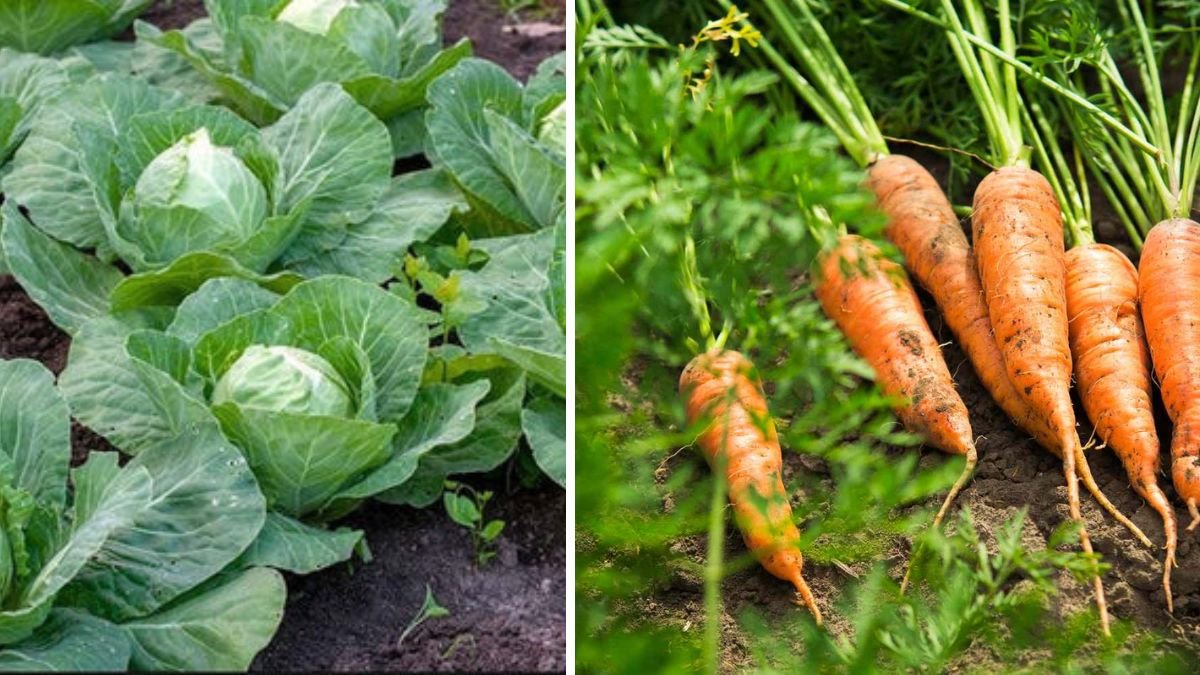
Introduction
Winter isn’t the end of the gardening season—it’s an opportunity to grow cold-hardy vegetables that thrive in frost, offer fresh greens, and keep your kitchen stocked with nutrient-rich produce. Across home gardening communities and agricultural news, winter vegetables are gaining attention for both their taste and resilience. Farmers and home gardeners alike are increasingly cultivating crops specifically for colder months, providing fresh, local produce when other vegetables are scarce.
Whether you are a beginner or an experienced gardener, knowing which winter vegetables to grow can make all the difference. This article focuses on the must-grow winter vegetable, why it is so rewarding, and how to cultivate it successfully.
Why Winter Vegetables Are Worth Growing
Cold-weather vegetables often taste sweeter and more flavorful because plants convert stored starches into sugars to protect themselves from frost. Vegetables like spinach, carrots, radishes, and kale naturally benefit from chilly temperatures. In addition to taste, winter vegetables are packed with nutrients, providing essential vitamins and minerals during months when fresh produce is limited.
Winter gardening also promotes sustainability. By growing your own vegetables, you reduce dependence on store-bought produce that may have been transported long distances. Plus, it allows you to take advantage of crops that naturally thrive in low temperatures, often requiring less water and fewer pesticides.
The Superstar Winter Vegetable You Must Grow
Spinach — A Cold-Hardy, Nutritious Favorite
If there is one vegetable you should grow this winter, it is spinach. Spinach is popular for several reasons:
- Cold Tolerance: Spinach thrives in cool climates and can survive light frosts. Interestingly, exposure to frost can enhance its flavor, making the leaves sweeter and more tender.
- Rapid Growth: Young leaves can be harvested in as little as 4–6 weeks, allowing for multiple harvests throughout the season.
- Nutritional Benefits: Spinach is rich in vitamins A and C, iron, calcium, and antioxidants—making it an ideal vegetable for winter nutrition.
- Culinary Versatility: It can be eaten raw in salads, lightly sautéed, or added to soups and stews.
Experts and gardening guides consistently recommend spinach as the top winter vegetable because it is easy to grow and highly rewarding. Even gardeners in colder regions can achieve excellent results with proper care and protection.
Choosing the Right Growing Method
Hydroponic or Water-Based Systems
Spinach grows exceptionally well in water-rich environments. Home gardeners can set up simple hydroponic or water-based systems:
- Use a bucket, tub, or container to hold water or a nutrient solution.
- Place cuttings or seedlings so roots are submerged while leaves remain above water.
- Monitor pH and nutrient levels to ensure healthy growth.
Hydroponics is particularly effective indoors or in small spaces, as it requires minimal soil and provides a fast-growing, clean crop.
Soil or Raised Beds
Traditional soil-growing is also an option:
- Choose well-draining, nutrient-rich soil.
- Ensure the bed remains consistently moist.
- Select a sunny location or a south-facing bed to maximize sunlight exposure.
Soil cultivation works well, though it may require slightly more maintenance than hydroponic setups.
Step-by-Step Guide to Growing Spinach in Winter
Step 1: Start With Seeds or Cuttings
Spinach can be grown from seeds or transplants. Seeds are ideal for a larger planting, while cuttings are quicker to establish. For seedlings:
- Remove lower leaves to prevent rot.
- Place stems in water until roots develop.
Both methods produce strong, fast-growing plants.
Step 2: Prepare the Growing Area
For containers or beds:
- Ensure at least 15–20 cm depth for roots.
- Keep soil or water well-aerated and clean.
- Indoors, place near bright light or a sunny window.
Cold frames, frost cloths, or mulching can help protect plants in areas with heavy frost.
Step 3: Light and Temperature
Spinach prefers cool but sunny conditions:
- Light: 6–8 hours of sunlight or equivalent artificial light.
- Temperature: 20–35°C (68–95°F) for optimal growth.
Even in winter, providing consistent light ensures rapid and healthy development.
Step 4: Fertilize for Maximum Growth
Although spinach can grow in plain soil or water for short periods, nutrients increase yield:
- Use a balanced fertilizer or hydroponic nutrient mix.
- Nitrogen promotes leafy growth.
- Regularly change water in hydroponic setups to prevent stagnation.
Proper nutrition encourages thicker stems and deeper green leaves.
Harvesting Your Winter Spinach
Spinach is fast-growing, making it perfect for repeated harvests:
- First harvest: When stems reach 10–12 cm.
- Cut-and-come-again method: Harvest outer leaves first, allowing the center to continue growing.
- Multiple harvests: Spinach can be harvested several times throughout the winter season.
Regular harvesting also encourages more robust plant growth and keeps your garden productive.
Common Challenges and Solutions
Slow or Stunted Growth
Often caused by insufficient nutrients or light.
Solution: Increase nitrogen and ensure plants get adequate light.
Yellowing Leaves
Usually a sign of poor water quality or nutrient deficiency.
Solution: Refresh soil or water and apply balanced nutrients.
Leaf Spots or Stress Marks
Result from temperature fluctuations, overcrowding, or poor airflow.
Solution: Adjust environmental conditions and maintain proper spacing between plants.
Complementary Winter Vegetables
While spinach is the star of winter gardening, consider growing these alongside it:
- Radishes: Quick-growing, crisp, and slightly spicy.
- Kale: Intensifies in flavor after frost and is nutrient-rich.
- Carrots: Sweeten naturally in cold weather.
- Beetroot: Offers vibrant roots and edible greens.
- Lettuce and Microgreens: Ideal for indoor containers or cold frames.
Combining these crops creates a diverse winter garden with continuous harvests.
Culinary Uses for Winter Vegetables
Winter vegetables are versatile in the kitchen:
- Spinach: Salads, sautés, soups, stews, and smoothies.
- Radishes: Raw in salads, pickled, or roasted with root vegetables.
- Kale: Baked as chips, sautéed, or added to soups.
- Carrots and Beetroot: Roasted, stewed, or used in fresh slaws.
A winter garden can supply a steady stream of fresh, nutrient-dense ingredients for seasonal recipes.
Authoritative Sources
- Livingetc’s Guide to Cold-Hardy Winter Crops: Covers winter greens that thrive even in frost and snow. (livingetc.com)
- Farmers Stop’s Winter Gardening Guide: Lists top cold-season vegetables and how to nurture them. (farmersstop.com)
- Cultivers Winter Vegetable Blog: Offers practical tips and planting strategies. (cultivers.es)
These sources provide detailed gardening insights and expert tips for maximizing winter harvests.
Conclusion
Winter gardening is both rewarding and practical. By focusing on spinach as your primary winter vegetable, you ensure a cold-hardy, nutrient-rich, and delicious harvest. With minimal effort, you can enjoy multiple pickings throughout the season, paired with other frost-tolerant crops like radishes, kale, and carrots. Proper timing, nutrient management, and light exposure are key to success.
Embrace winter gardening, and you’ll have fresh, homegrown vegetables even in the coldest months—a testament to planning, sustainability, and the joy of harvesting your own nutritious food.