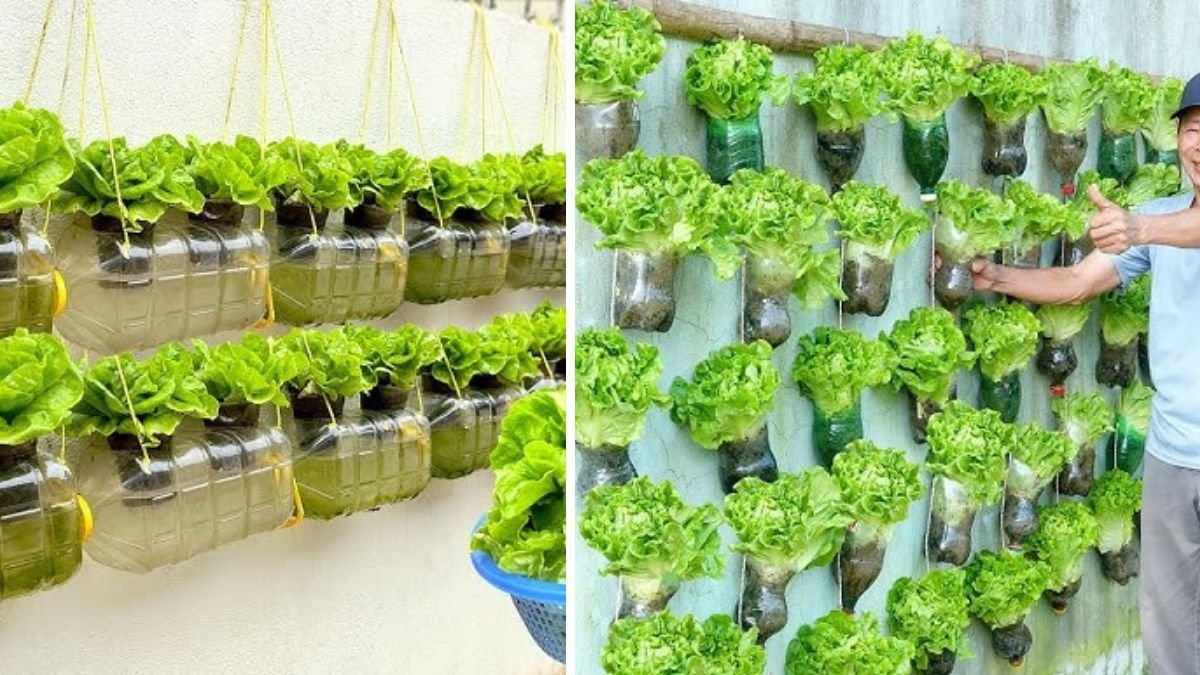
As urban spaces continue to shrink and interest in sustainable living grows, [FOCUS KEYWORD] have emerged as one of the most practical and rewarding gardening solutions today. Once seen mainly in commercial greenhouses or experimental urban farms, vertical vegetable gardens are now becoming mainstream for homeowners, apartment dwellers, and eco-conscious gardeners alike.
By growing upward instead of outward, vertical gardening allows people to produce fresh vegetables in limited spaces while improving plant health, aesthetics, and overall efficiency. In 2026, this approach is no longer just a trend—it’s a smart, long-term solution for modern food production and home gardening.
Background: Why Vertical Vegetable Gardens Are Gaining Popularity
Modern lifestyles have changed how and where people grow food. Many individuals now live in apartments, townhomes, or properties with small yards, making traditional garden beds impractical. At the same time, rising food costs, supply chain concerns, and environmental awareness have encouraged more people to grow their own vegetables.
Vertical vegetable gardens address all of these challenges. They allow gardeners to use walls, fences, balconies, patios, and even indoor spaces to grow food efficiently. Garden designers and horticultural experts increasingly highlight vertical gardening as a key solution for urban agriculture, sustainability, and future-focused garden design.
Another reason behind the growing popularity of [FOCUS KEYWORD] is their flexibility. Vertical systems can be as simple as a trellis with climbing beans or as advanced as modular wall systems with irrigation and nutrient control. This adaptability makes vertical vegetable gardening accessible to beginners and experienced gardeners alike.
What Are Vertical Vegetable Gardens?
Vertical vegetable gardens are systems designed to grow plants vertically rather than horizontally. Instead of spreading across the ground, vegetables are supported by structures such as trellises, frames, shelves, towers, hanging planters, or wall-mounted containers.
These gardens work particularly well for vegetables that naturally climb or trail, such as tomatoes, cucumbers, peas, beans, and squash. Leafy greens, herbs, and even root vegetables can also thrive in vertical setups when grown in stacked containers or pocket planters.
The goal of [FOCUS KEYWORD] is to maximize productivity while minimizing space, effort, and resource use.
Why Vertical Vegetable Gardens Are Convenient
Space Efficiency
One of the biggest advantages of vertical vegetable gardens is how effectively they use space. By growing upward, gardeners can dramatically increase planting area without needing more land. This is especially valuable for people with balconies, rooftops, patios, or small backyards.
A single vertical wall or tower can replace multiple ground beds, making it possible to grow a diverse range of vegetables in even the smallest environments.
Easier Access and Maintenance
Vertical gardens place plants at eye level or waist height, which makes them easier to care for. Watering, pruning, harvesting, and pest inspection can all be done without excessive bending or kneeling.
This convenience is particularly beneficial for older gardeners or those with mobility limitations. [FOCUS KEYWORD] make gardening more inclusive and physically manageable while still delivering impressive yields.
Reduced Weeds and Soil Issues
Because many vertical gardens use containers or raised systems, they experience fewer weed problems compared to traditional gardens. Soil quality is easier to control, and the risk of soil-borne diseases is reduced.
This controlled environment allows gardeners to focus on plant health rather than constant weeding and soil correction.
Better Water Management
Vertical gardening systems often use targeted watering methods such as drip irrigation or self-watering containers. These systems reduce water waste and ensure plants receive consistent moisture.
As water conservation becomes increasingly important, [FOCUS KEYWORD] offer an efficient way to grow food while using fewer resources.
Why Vertical Vegetable Gardens Are Great Ideas
Improved Plant Health
Growing vegetables vertically improves airflow around plants, which helps reduce humidity-related diseases such as mildew and fungal infections. Better air circulation also discourages pests and promotes stronger, healthier growth.
Plants grown off the ground are less likely to suffer from rot, soil splash, or damage caused by ground-dwelling insects.
Increased Yields
When plants receive more sunlight, airflow, and consistent care, productivity increases. Vertical gardening allows plants to grow freely without competing for space, which often results in higher yields per square foot.
For gardeners who want to grow more food with limited space, [FOCUS KEYWORD] provide a highly efficient solution.
Aesthetic Appeal
Vertical vegetable gardens are visually striking. Lush green walls, hanging planters, and structured trellises can transform plain walls or fences into living displays.
Beyond food production, vertical gardens enhance outdoor and indoor spaces, blending functionality with beauty. Many homeowners use vertical vegetable gardens as design features that also support healthy living.
Mental and Emotional Benefits
Gardening has been shown to reduce stress, improve mood, and increase overall well-being. Vertical gardens bring greenery closer to living spaces, making daily interaction with plants easier and more frequent.
The satisfaction of harvesting fresh vegetables from a vertical garden adds a sense of accomplishment and connection to nature.
Vegetables That Thrive in Vertical Gardens
Not all vegetables are equally suited to vertical growing, but many popular crops perform exceptionally well. These include:
- Tomatoes
- Cucumbers
- Pole beans
- Peas
- Squash and zucchini
- Lettuce and leafy greens
- Herbs such as basil, mint, and parsley
With the right container depth and support, even root vegetables like radishes and small carrots can be grown successfully in vertical systems.
Choosing the right plants is key to maximizing the benefits of [FOCUS KEYWORD].
Practical Tips for Starting a Vertical Vegetable Garden
To get the most out of a vertical garden, careful planning is essential.
Start by selecting a structure that suits your space. Trellises and wall-mounted planters work well for outdoor areas, while stacked containers and vertical towers are ideal for balconies and patios.
Next, ensure adequate sunlight. Most vegetables need at least six hours of direct light daily. Position your vertical garden accordingly or supplement with grow lights if growing indoors.
Use high-quality soil and provide proper drainage to prevent waterlogging. Consistent watering and regular feeding are especially important in container-based systems.
Finally, monitor plant growth and adjust supports as plants climb. Proper training helps plants grow upward efficiently and prevents overcrowding.
The Future of Vertical Vegetable Gardening
As cities continue to grow and sustainability becomes a priority, vertical gardening will play an increasingly important role in food production. Experts predict continued innovation in vertical garden design, materials, and irrigation systems.
From home gardens to community spaces, [FOCUS KEYWORD] are set to become a defining feature of modern gardening. They represent a shift toward smarter, more efficient ways of growing food while improving quality of life.
Conclusion
Vertical vegetable gardens are convenient, practical, and undeniably great ideas for today’s world. They solve common gardening challenges such as limited space, physical strain, and inefficient resource use, all while delivering healthy, homegrown food.
By embracing [FOCUS KEYWORD], gardeners can grow more vegetables, enhance their living spaces, and contribute to a more sustainable future. Whether you are a beginner or an experienced grower, vertical vegetable gardening offers a flexible and rewarding approach that fits perfectly into modern lifestyles.