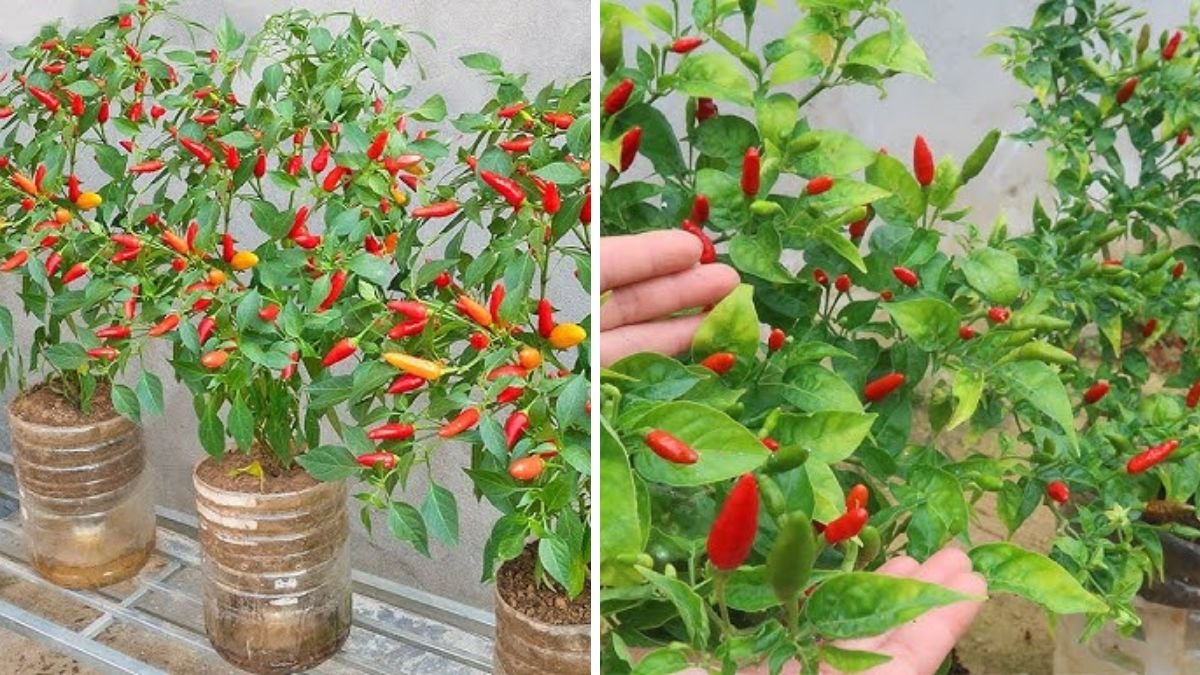
Chili peppers are among the most widely grown and economically important crops in the world. From home gardens to large commercial farms, they play a vital role in global cuisine, food processing, and agricultural income. In recent years, farmers and researchers have been searching for ways to increase productivity without harming the environment or dramatically raising costs. Now, a new approach known as [FOCUS KEYWORD] is gaining attention for its promise of producing up to five times higher yields than traditional methods.
This article explores the background, science, techniques, and real-world potential behind this innovative chili-growing method.
Why Increasing Chili Pepper Yield Matters
With rising global populations and increasing demand for spicy foods, sauces, and processed products, chili pepper consumption continues to grow. However, many farmers still rely on conventional farming practices that are limited by:
- Poor soil fertility
- Unpredictable weather
- Pest and disease pressure
- Water shortages
- Low nutrient efficiency
These challenges often result in low productivity and unstable income. As a result, improving yield has become a top priority for modern agriculture. The [FOCUS KEYWORD] approach addresses these problems by focusing on plant health, environmental control, and precision management.
Understanding the 5× Yield Concept
The idea of achieving five times more production may sound unrealistic at first. However, this method does not depend on a single technique. Instead, it combines several proven agricultural practices into one integrated system.
The 5× yield claim is based on:
- Maximizing photosynthesis
- Improving nutrient absorption
- Reducing plant stress
- Enhancing root development
- Extending the growing season
When these factors work together, chili plants can produce more flowers, more fruits, and higher-quality harvests.
Core Principles Behind [FOCUS KEYWORD]
1. Controlled Growing Environment
One of the main pillars of this method is environmental control. Instead of depending entirely on natural conditions, farmers regulate:
- Temperature
- Humidity
- Light exposure
- Air circulation
This is often done through greenhouses, polyhouses, or semi-indoor systems. By maintaining ideal growing conditions, plants grow faster and more consistently throughout the year.
Controlled environments also reduce damage from extreme heat, heavy rain, or frost, leading to more reliable harvests.
2. Light Optimization for Better Growth
Light plays a crucial role in plant development. Chili plants require sufficient sunlight to perform photosynthesis and produce energy.
In the [FOCUS KEYWORD] method, growers use:
- Transparent roofing materials
- Shade nets
- LED grow lights (in advanced setups)
These tools ensure plants receive the right amount of light at every stage of growth. Balanced lighting promotes stronger stems, larger leaves, and higher flower production, which directly affects yield.
3. Precision Irrigation and Fertigation
Water management is another key factor. Overwatering can cause root diseases, while underwatering reduces growth. This method uses drip irrigation and micro-sprinkler systems to deliver water directly to the root zone.
Fertigation, which means supplying nutrients through irrigation water, is also widely used. This ensures that plants receive:
- Nitrogen for leaf growth
- Phosphorus for roots and flowers
- Potassium for fruit development
- Micronutrients for overall health
Precise nutrient delivery improves absorption efficiency and minimizes waste.
4. Improved Soil and Growing Media
Healthy soil is the foundation of high productivity. Under the [FOCUS KEYWORD] approach, farmers focus on:
- Organic matter enrichment
- Proper soil drainage
- Balanced pH levels
- Beneficial microorganisms
In some systems, growers use soilless media such as coco peat, perlite, or vermiculite. These materials provide excellent aeration and moisture retention, allowing roots to grow freely and absorb nutrients more effectively.
5. High-Quality Seed Selection
Not all chili varieties respond equally to advanced cultivation methods. High-yield hybrids and disease-resistant varieties are preferred.
Good seeds ensure:
- Uniform growth
- Better resistance to pests
- Higher fruit-setting capacity
- Improved shelf life
Using certified seeds is essential for achieving consistent results.
6. Strategic Plant Spacing and Training
Plant density has a direct impact on yield. If plants are too close, they compete for light and nutrients. If they are too far apart, land is wasted.
This method uses optimized spacing combined with training techniques such as:
- Pruning excess branches
- Supporting plants with stakes or trellises
- Removing weak shoots
These practices improve air circulation and redirect energy toward fruit production.
How Farmers Are Applying This Method
Across different regions, farmers are gradually adopting parts of the [FOCUS KEYWORD] system based on their resources and budget.
Small-scale growers often start with:
- Drip irrigation
- Organic soil improvement
- Better seed selection
Commercial farmers may invest in:
- Greenhouse structures
- Automated irrigation systems
- Climate monitoring equipment
Even partial implementation has shown noticeable improvements in yield and crop quality.
Benefits of the 5× Yield Method
Farmers who adopt this system report multiple advantages:
Higher Productivity
More fruits per plant and multiple harvest cycles lead to increased output per acre.
Better Quality Produce
Chilies grown under controlled conditions are usually larger, brighter, and more uniform.
Reduced Losses
Improved pest management and stable environments reduce crop failure risks.
Efficient Resource Use
Water, fertilizers, and land are used more efficiently, lowering long-term costs.
Increased Profitability
Higher yields combined with better market quality result in improved income.
Challenges and Limitations
Despite its advantages, the [FOCUS KEYWORD] method also presents some challenges.
Initial Investment
Greenhouses, irrigation systems, and equipment require capital, which may be difficult for small farmers.
Technical Knowledge
Managing controlled environments requires training and regular monitoring.
Energy Costs
Lighting and climate systems can increase electricity expenses.
Maintenance Needs
Equipment and structures need regular maintenance to function properly.
However, many farmers consider these challenges manageable when balanced against long-term benefits.
Scientific Support Behind the Method
Modern agricultural research strongly supports the principles used in this approach. Studies show that:
- Controlled environments improve crop density
- Precision irrigation increases nutrient efficiency
- Optimized lighting enhances photosynthesis
- Balanced fertilization boosts fruit yield
These findings confirm that the 5× yield concept is based on real scientific foundations rather than marketing claims.
Future of Chili Farming
As climate change, population growth, and resource limitations continue to affect agriculture, innovative systems like [FOCUS KEYWORD] will become increasingly important.
In the future, we can expect:
- Wider use of smart sensors
- Automated climate control
- AI-based crop monitoring
- Sustainable energy integration
These technologies will further enhance productivity while protecting natural resources.
Practical Tips for Beginners
If you want to try this method on a small scale, start with these steps:
- Install a simple drip irrigation system
- Use high-quality hybrid seeds
- Improve soil with compost and organic matter
- Maintain proper plant spacing
- Monitor water and nutrient levels regularly
- Protect plants from extreme weather
Gradually expand as you gain experience.
Conclusion
The [FOCUS KEYWORD] approach represents a major shift in chili pepper cultivation. By combining controlled environments, precision irrigation, optimized nutrition, and modern management techniques, farmers can significantly increase productivity and crop quality.
While achieving a full 5× yield may require investment and expertise, even partial adoption can deliver impressive results. As more growers embrace these innovations, chili farming is set to become more sustainable, profitable, and resilient in the years ahead.
If you’d like, I can next help you turn this into a Google Discover–friendly version, add FAQs, or optimize it further for your website.