Introduction: Why Winter Vegetables Are Special
Winter is the season when our bodies crave warmth, nutrition, and immunity support. This is where winter vegetables shine. These vegetables are not only super delicious, but they are also nutrient powerhouses, packed with vitamins, minerals, fiber, and antioxidants. They help boost immunity, improve digestion, and provide energy during colder months.
From leafy greens like spinach and kale to root vegetables such as carrots, radishes, and sweet potatoes, winter vegetables offer a wide range of flavors and health benefits. What makes them even more remarkable is that many of these vegetables grow best in cooler climates and often develop higher nutrient concentrations compared to summer crops. This combination of taste, nutrition, and adaptability makes them the perfect addition to any winter diet.
This [FOCUS KEYWORD] guide will explain why certain vegetables are ideal for winter, highlight the most delicious options, and point you to expert sources for further guidance.
The Health Benefits of Winter Vegetables
Winter vegetables are uniquely adapted to colder climates, and their nutritional value reflects the needs of our bodies during this season. Key benefits include:
Enhanced Nutrients
Cold weather encourages vegetables to produce natural sugars and compounds that make them both sweeter and more nutritious. Vegetables like carrots, kale, and Brussels sprouts develop higher levels of antioxidants, vitamin C, and fiber, making them excellent for boosting immunity and overall health. (healthline.com)
Immune Support
Many winter vegetables contain vitamins A and C, iron, and other minerals that strengthen the immune system. They help the body fight seasonal illnesses such as colds and flu, making them essential in a winter diet. (hindi.newsbytesapp.com)
Sustained Energy and Digestion
Root vegetables like sweet potatoes, radishes, and carrots provide complex carbohydrates and fiber. These nutrients supply energy steadily throughout the day and aid in digestion — especially helpful during the colder months when activity levels often decrease. (ndtv.in)
Versatility in Cooking
Winter vegetables lend themselves to a variety of dishes, including hearty soups, stews, roasted sides, stir-fries, and traditional saags. Their flavors often intensify in cold weather, providing naturally sweet, earthy, or spicy notes depending on the vegetable.
Top Winter Vegetables That Are Super Delicious
Here are the most suitable vegetables to include in your winter meals, both for taste and nutrition:
1. Carrots
Carrots are naturally sweeter in winter, making them ideal for soups, stews, and salads. They are rich in beta-carotene, fiber, and antioxidants, supporting eye health, digestion, and immunity. Roasting carrots intensifies their sweetness, creating a perfect winter side dish. (food.ndtv.com)
2. Spinach (Palak)
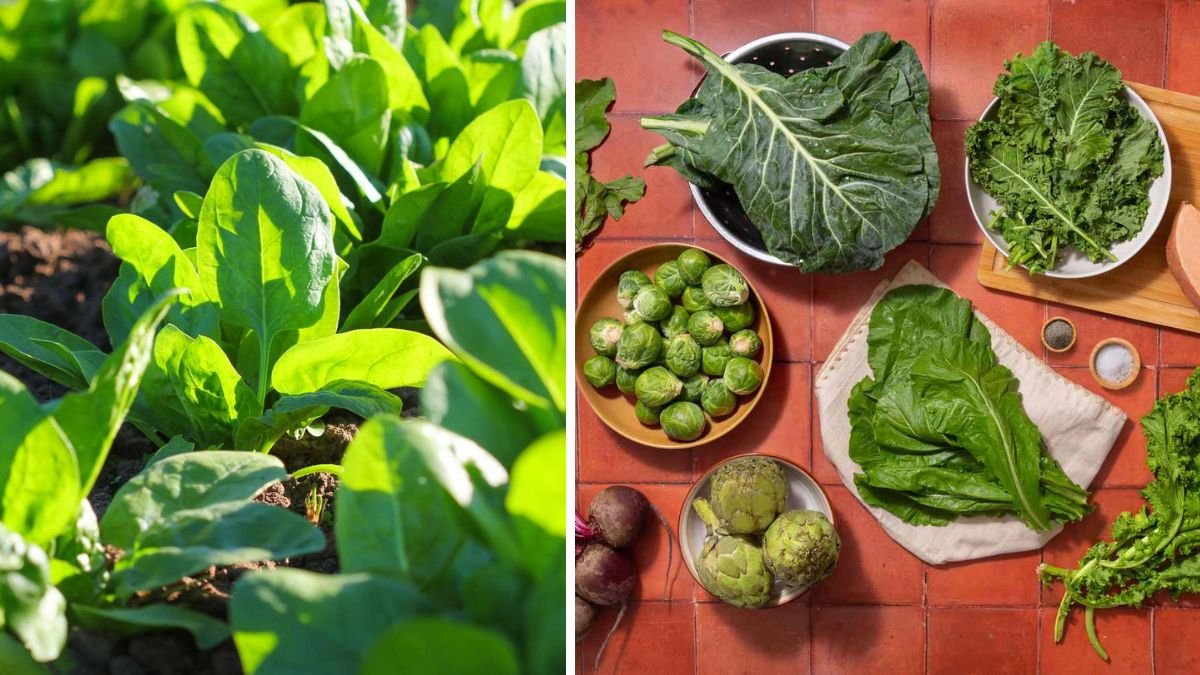
Winter-grown spinach is tender, nutrient-dense, and full of iron, vitamins A and K, and fiber. It can be cooked into saags, soups, or smoothies, or lightly sautéed with garlic and spices. Spinach is excellent for boosting immunity and maintaining overall health during winter. (food.ndtv.com)
3. Fenugreek (Methi)
Methi leaves grow quickly in cold weather and are packed with iron, calcium, and protein. Their slightly bitter taste adds depth to dishes like methi paratha or saag. Methi also supports digestion and helps maintain stable blood sugar levels. (aajtak.in)
4. Radish (Mooli)
Radishes are crisp, slightly spicy, and excellent for cleansing the liver. They can be eaten raw in salads, cooked in curries, or used in parathas. Radishes thrive in cold weather, and their flavor is at its peak in winter. (timesofindia.indiatimes.com)
5. Sweet Potatoes (Shakarakand)
Sweet potatoes are naturally sweet, starchy, and highly satisfying. They are rich in beta-carotene, vitamins A and C, and fiber, providing sustained energy and supporting gut health. Baking, steaming, or roasting sweet potatoes enhances their flavor and nutrient content. (ndtv.com)
6. Kale and Brussels Sprouts
Kale and Brussels sprouts flourish in cold weather, offering high levels of vitamins C and K, fiber, and antioxidants. Kale is versatile for steaming, sautéing, or blending in smoothies, while roasted Brussels sprouts develop a sweet, nutty flavor. (healthline.com)
7. Beans and Broccoli
While not strictly winter-exclusive, beans and broccoli grow well in cooler months and are rich in essential amino acids, vitamins, and minerals. They are excellent additions to soups, stir-fries, and casseroles, making winter meals both nutritious and satisfying. (food.ndtv.com)
Tips for Maximizing Nutrition and Flavor
To get the most from your winter vegetables:
- Mix colors and textures – combine leafy greens, roots, and legumes for a wide nutrient profile.
- Include raw and cooked forms – some nutrients are better absorbed when cooked, while others retain potency when raw.
- Pair with healthy fats – olive oil, ghee, or nuts improve nutrient absorption.
- Add warming spices – ginger, garlic, and cinnamon complement winter veggies while enhancing digestion and circulation.
By following these strategies, your winter meals will not only be delicious but also highly nutritious.
Why These Vegetables Are Ideal for Winter
Winter vegetables are uniquely suited for the season because they:
- Grow best in cooler climates – ensuring steady supply during winter months.
- Develop higher nutrient content – cold-induced stress increases antioxidant and sugar levels.
- Support immune health – vitamins, minerals, and fiber help fight seasonal illnesses.
- Provide sustained energy – root vegetables deliver complex carbs and fiber for steady energy.
- Adapt to diverse recipes – perfect for soups, stews, salads, and roasted dishes.
These factors explain why many nutritionists and gardening experts emphasize the inclusion of winter vegetables in seasonal diets.
Authoritative Sources
For further information, consider these expert resources:
- Healthline – The 10 Healthiest Winter Vegetables (healthline.com)
- NDTV Food – Winter Diet: Top Fruits & Veggies Your Body Needs (food.ndtv.com)
- Times of India – Winter Vegetables and Their Benefits (timesofindia.indiatimes.com)
- TrueMeds – Top 10 Winter Vegetables to Boost Health (truemeds.in)
These sources provide practical growing tips, nutritional benefits, and seasonal recipes for winter vegetables.
Conclusion
Winter is the perfect season to enjoy super delicious and nutrient-rich vegetables. From the crisp sweetness of carrots and radishes to the leafy goodness of spinach, kale, and methi, winter vegetables deliver a powerful combination of taste and health benefits. Root vegetables like sweet potatoes offer energy and fiber, while Brussels sprouts and broccoli provide antioxidants to boost immunity.
Incorporating these vegetables into your diet ensures you stay nourished, warm, and energized throughout the colder months. With this [FOCUS KEYWORD] guide, you now have a comprehensive roadmap to select, prepare, and enjoy the most suitable vegetables for winter — delicious, healthy, and perfectly adapted to the season.