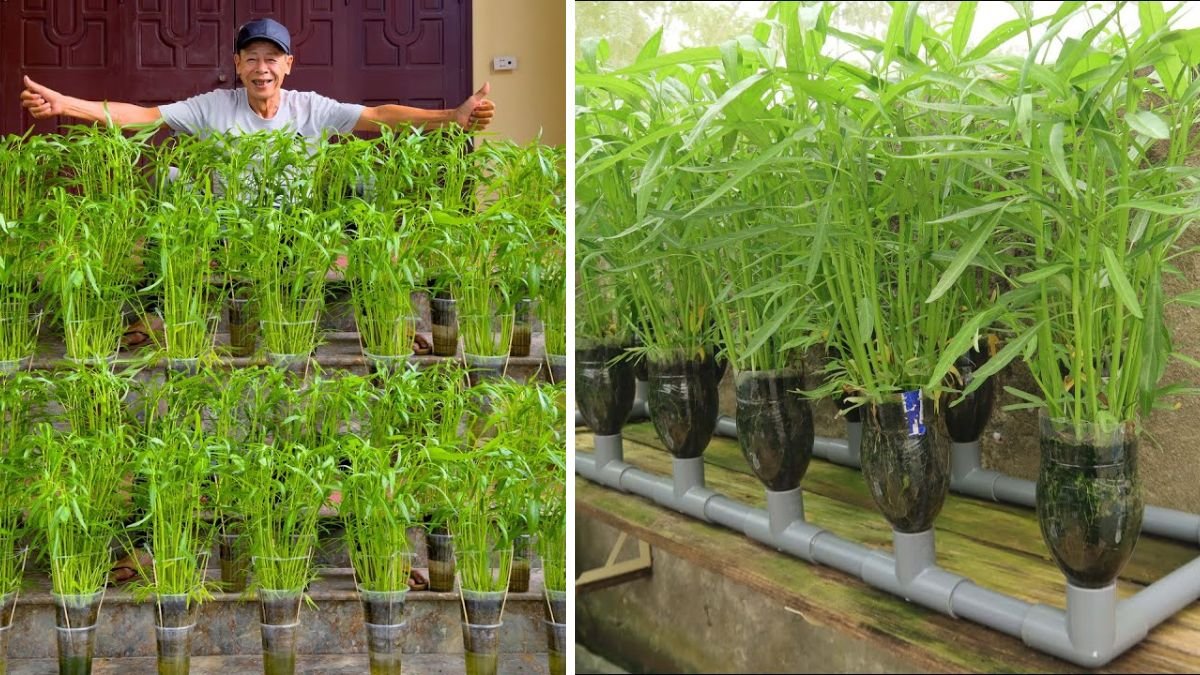
Growing your own vegetables sounds rewarding, but for many people, the reality of daily watering, constant weeding, and ongoing maintenance can feel overwhelming. The good news is that gardening is evolving. Thanks to smarter techniques, better plant choices, and water-saving strategies, it’s now possible to grow vegetables with little effort and minimal watering. This is where FOCUS KEYWORD comes in.
This article explores how you can create a low-maintenance vegetable garden that thrives with very little care. Whether you’re a beginner, live in a dry climate, or simply don’t have time for daily gardening tasks, these super easy vegetable growing tips will help you enjoy fresh produce without the stress.
Why No-Care and Low-Water Gardening Is Gaining Popularity
Low-maintenance gardening is no longer a niche idea. Across the world, gardeners are shifting toward water-wise and time-saving methods. Rising water costs, climate change, and busier lifestyles have pushed people to look for smarter ways to grow food. Instead of fighting nature with constant watering and intervention, modern gardening focuses on working with natural systems.
The core idea behind FOCUS KEYWORD is simple: choose the right plants, prepare the soil properly, and use techniques that help the soil retain moisture. When these elements are combined, plants become more resilient and require far less attention once established.
This approach is especially appealing for:
- Beginners who don’t want to risk plant failure
- Busy individuals with limited free time
- Gardeners in hot or drought-prone regions
- Urban gardeners using containers or small spaces
Choosing Vegetables That Need Little Water and Care
One of the most important steps in creating a no-watering-needed garden is plant selection. Some vegetables naturally tolerate dry conditions and continue growing even when watering is infrequent.
Vegetables with deep or strong root systems are ideal because they can access moisture stored deeper in the soil. Leafy greens like Swiss chard and mustard greens are surprisingly tough once established. Vegetables such as peppers, eggplants, zucchini, okra, sweet potatoes, and chickpeas are also known for handling heat and reduced watering better than many other crops.
Instead of trying to grow water-hungry vegetables in dry conditions, focusing on drought-tolerant varieties dramatically reduces maintenance. These plants don’t just survive with less water—they often produce better yields because they experience less stress from overwatering.
The Role of Soil in No-Water Vegetable Gardening
Healthy soil is the foundation of FOCUS KEYWORD success. Poor soil dries out quickly and forces you to water more often. Rich, organic soil acts like a sponge, holding moisture and releasing it slowly to plant roots.
Adding compost is one of the easiest ways to improve soil structure. Compost increases water retention, supports beneficial microorganisms, and improves drainage at the same time. When soil is alive and balanced, plants become stronger and more self-sufficient.
Another important factor is soil depth. Deeper soil allows roots to grow further down, where moisture lasts longer. Raised beds and deep containers filled with quality soil mix are excellent options for gardeners aiming for minimal care.
Mulching: The Secret to Less Watering
Mulching is one of the most effective techniques for reducing watering needs. A thick layer of organic mulch—such as straw, dried leaves, wood chips, or grass clippings—acts as a protective blanket over the soil.
Mulch helps by:
- Reducing evaporation from the soil surface
- Keeping soil temperature stable
- Preventing weeds from competing for water
- Improving soil quality as it breaks down
With proper mulching, soil stays moist for much longer after watering or rainfall. In many cases, this alone can reduce watering frequency by more than half. For gardeners looking for super easy vegetable growing tips, mulching is non-negotiable.
Water Deeply, Not Frequently
While the goal is minimal watering, some water is still necessary—especially when plants are young. The key is to water deeply and less often rather than lightly every day.
Deep watering encourages roots to grow downward in search of moisture. Shallow watering keeps roots near the surface, making plants more dependent on frequent irrigation. Once vegetables develop deep roots, they become far more drought-resistant and capable of surviving longer dry periods.
After the initial establishment phase, many vegetables only need occasional watering during extreme heat or prolonged dry spells.
Low-Effort Irrigation Options
For gardeners who want to reduce hands-on work even further, simple irrigation systems can be a game changer. Drip irrigation and soaker hoses deliver water directly to the root zone, minimizing waste and evaporation.
Self-watering containers are another excellent option, especially for balconies and patios. These containers store water in a reservoir and allow plants to draw moisture as needed. This system prevents overwatering while ensuring plants don’t dry out too quickly.
With these tools, you can support FOCUS KEYWORD gardening principles without daily involvement.
Container Gardening With Minimal Care
Container gardening fits perfectly with no-care vegetable growing when done correctly. Containers allow better control over soil quality and moisture levels. Using larger containers is especially important, as they hold more soil and retain water longer.
High-quality potting mix combined with compost creates an ideal growing environment. When paired with mulch on top of the container soil, moisture loss is significantly reduced.
Vegetables like peppers, tomatoes, herbs, leafy greens, and even zucchini can thrive in containers with surprisingly little maintenance once established.
Reducing Weeds and Garden Maintenance
Weeds compete with vegetables for water and nutrients, increasing the need for maintenance. Fortunately, the same methods that reduce watering also reduce weeds.
Mulching blocks sunlight, preventing weed seeds from germinating. Dense planting—where vegetables are spaced efficiently—also shades the soil and leaves little room for weeds to grow.
By minimizing weeds, you not only save time but also reduce water loss, further supporting a no-care gardening system.
Common Mistakes to Avoid
While FOCUS KEYWORD gardening is simple, there are a few mistakes to watch out for. Overwatering is one of the most common issues. Too much water weakens roots and can lead to disease.
Another mistake is choosing the wrong plants for your climate. Even drought-tolerant vegetables perform best when suited to local conditions. Always consider temperature, sunlight, and seasonal rainfall patterns.
Finally, skipping soil preparation often leads to higher maintenance later. Investing time in soil health upfront pays off with less work throughout the growing season.
Final Thoughts: Grow More With Less Effort
No-watering-needed vegetable gardening isn’t about neglect—it’s about smart planning. By choosing resilient vegetables, improving soil quality, using mulch, and encouraging deep root growth, you can create a garden that practically takes care of itself.
FOCUS KEYWORD proves that growing vegetables doesn’t have to be time-consuming or stressful. With these super easy vegetable growing tips, even beginners can enjoy fresh, homegrown produce while spending less time watering and maintaining their garden.