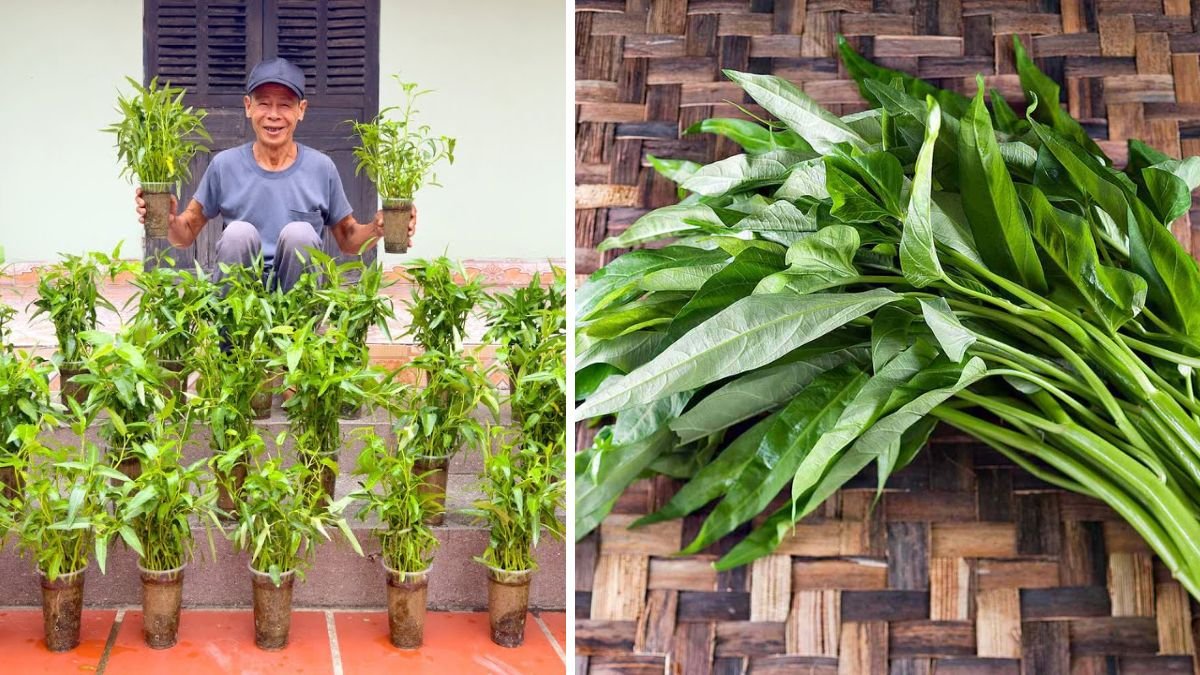
Introduction
Fresh water spinach, also known as kangkong, ong choy, pak boong, or kalmi saag, is a staple in many cuisines worldwide. Known for its tender leaves and crunchy stems, it’s a nutritious and versatile leafy green. But for many home cooks and gardeners, constantly buying water spinach from the market can be frustrating — it wilts quickly, prices fluctuate, and you never know how fresh it really is.
What if you could grow water spinach at home and harvest it repeatedly, so you never had to buy it again? With the right strategy, you can. This secret lies in understanding how water spinach grows and how to encourage rapid regrowth after harvesting. With this method, a single planting can produce fresh, tender leaves for months, saving money, reducing waste, and giving you reliable access to this super green whenever you want.
This guide will show you exactly how to cultivate water spinach successfully, using the [FOCUS KEYWORD] strategy to maximize growth, yield, and flavor.
What Is Water Spinach and Why Grow It?
Water spinach (Ipomoea aquatica) is a fast-growing, semi-aquatic leafy green traditionally grown in Asia. It thrives in warm, wet conditions and is prized for its mild flavor, crisp texture, and versatility in stir-fries, salads, and soups.
What makes water spinach particularly attractive for home growers is its rapid growth cycle and ability to regenerate after cutting. Unlike many leafy greens that must be replanted after harvest, water spinach can produce multiple crops from the same plant when harvested correctly. This makes it ideal for gardeners seeking continuous yields with minimal effort.
Recent agricultural innovations have also made it possible to grow water spinach in non-waterlogged soil or even in hydroponic and vertical systems, expanding its accessibility for urban and backyard gardeners. (Jambhalinaka)
The Secret Tip: Cut-and-Regrow Harvesting
The key to never buying water spinach again is the “cut-and-regrow” method. Instead of uprooting plants, you simply harvest the stems above the soil or water line. This encourages new shoots to grow from the remaining stem nodes.
Here’s how it works:
- Cut the stems about 2–3 inches above the soil or water surface.
- Leave the central growth point intact to allow the plant to continue producing new leaves.
- New shoots emerge quickly, often ready for harvest in 10–14 days, depending on climate and care.
This method ensures a steady supply of tender leaves and prevents the stems from becoming tough or woody. By harvesting regularly, you can achieve weekly or bi-weekly yields from the same plants — making multiple harvest cycles possible from a single planting. (Therike)
Step-by-Step Growing Strategy
1. Choose Your Growing Setup
Water spinach is incredibly versatile. You can grow it in:
- Soil beds or containers: Ideal for backyard gardens or balconies.
- Buckets, tubs, or recycled crates: Perfect for small spaces.
- Hydroponic or aeroponic systems: Great for urban vertical farming, producing faster growth and higher yields. (LinkedIn Agrotonomy)
2. Prepare Ideal Soil
Water spinach prefers moist, nutrient-rich soil. A good mix is:
- Garden soil
- Compost for nutrients
- Sand or coco coir to improve drainage and aeration
Maintain slightly acidic to neutral soil pH (6.0–7.0) for optimal growth. (Chhatrapati Shivaji Maharaj Park)
3. Planting & Light
- Sow seeds or plant stem cuttings about ½ inch deep.
- Water spinach thrives in warm temperatures (72–95°F / 22–35°C) and requires 6–8 hours of sunlight per day.
4. Watering
- Keep the soil consistently wet — water spinach loves moisture but dislikes stagnant water.
- Mulch around the base to retain moisture, reduce weeds, and prevent soil temperature fluctuations.
5. Fertilization
- Apply nitrogen-rich fertilizers like compost tea, vermicompost, or organic liquid fertilizers every few weeks.
- Healthy, well-fed plants grow faster, produce more tender leaves, and recover quickly after each harvest.
6. Pest Management
- Common pests include aphids, leaf miners, and caterpillars.
- Use organic sprays like neem oil or manually remove pests.
- Proper spacing and air circulation reduce disease risk and encourage stronger growth.
Fast Harvest Timeline
With proper care:
- Seed germination occurs in 2–4 days.
- Young plants are ready to harvest in 20–27 days.
- Using the cut-and-regrow method, new shoots can be harvested every 10–14 days.
This rapid, repeatable growth cycle makes it entirely feasible to maintain a constant supply of fresh water spinach without ever needing to buy it. (Jambhalinaka)
Advanced Growing Techniques
For gardeners seeking maximum efficiency:
- Hydroponic or aeroponic systems: Deliver nutrients directly to roots without soil, accelerating growth and increasing yields.
- Vertical systems: One tower can produce hundreds of bunches yearly.
- Controlled environments: Extend production year-round, even in non-tropical climates.
These methods reduce pest pressure, minimize water usage, and allow continuous harvest cycles, giving growers a near-constant supply of fresh water spinach. (LinkedIn Agrotonomy)
Why This Tip Works
- Rapid growth cycles: Allows faster initial harvest.
- Cut-and-regrow harvesting: Produces tender new shoots repeatedly.
- Versatile cultivation: Can grow in soil, containers, hydroponics, or aeroponics.
- Year-round production: Especially when using controlled environments or staggered planting schedules.
With this method, you truly never have to buy water spinach again — just manage, harvest, and enjoy your homegrown greens.
Background Context & Trends
Water spinach is gaining popularity among urban and home gardeners for several reasons:
- Researchers are developing high-yield, low-oxalate varieties, making it safer and more nutritious. (Times of India)
- Urban vertical farms highlight water spinach as an ideal crop due to rapid growth, high productivity, and minimal space requirements. (LinkedIn Agrotonomy)
- Home gardeners use containers, succession planting, and staggered harvest plans to maintain a continuous supply. (Bittan Market)
All of these trends highlight how easy and practical it has become to grow water spinach sustainably at home.
Conclusion
Water spinach is one of the easiest, fastest-growing leafy greens you can cultivate at home. By implementing the cut-and-regrow technique, you can create a self-sustaining garden of fresh, crisp leaves, reducing the need for market trips and ensuring top-quality greens at all times.
This simple tip — combined with proper soil preparation, watering, feeding, and pest management — makes it possible to plant once and harvest continuously. With some advanced methods, like hydroponics or vertical aeroponics, you can even grow water spinach year-round.
Whether you’re a beginner or an experienced gardener, mastering this approach allows you to enjoy endless harvests and never have to buy water spinach again.
Authoritative Sources for Reference
- Jambhalinaka – 27-Day Water Spinach Miracle: Link
- Therike – Cut-and-Regrow Water Spinach: Link
- Times of India – High-Yield, Low-Toxin Varieties: Link
- LinkedIn Agrotonomy – Vertical Farming of Water Spinach: Link
- Bittan Market – Backyard Water Spinach Tips: Link