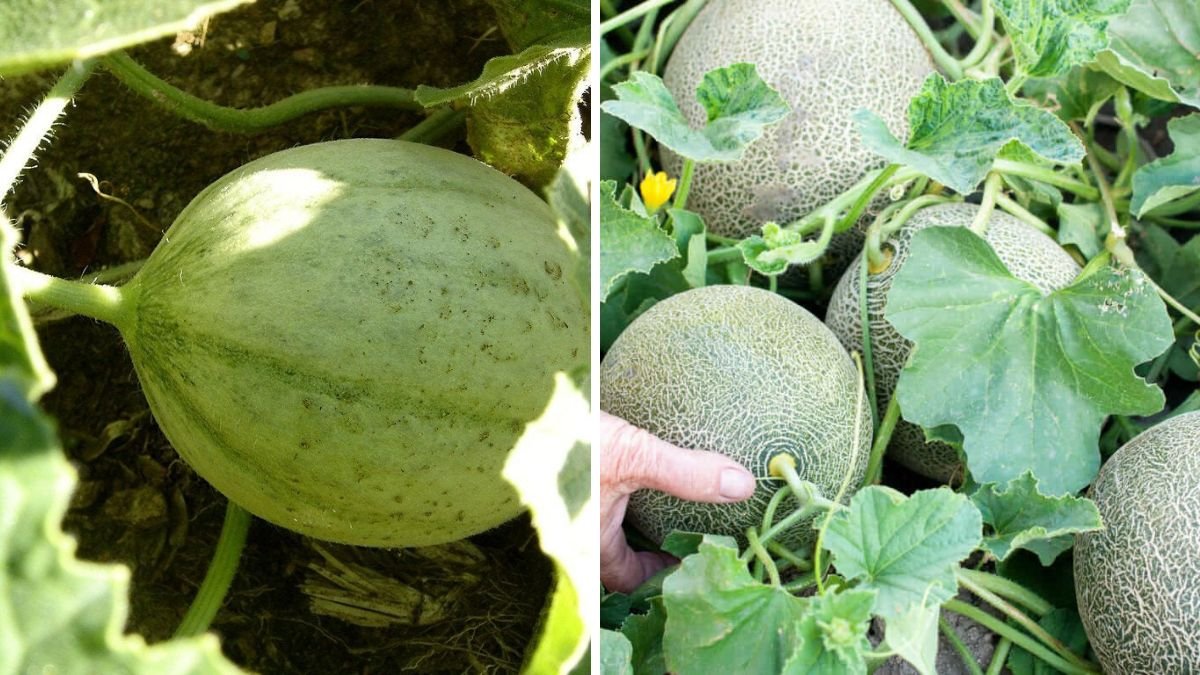
Introduction: The Quest for Sweeter, Bigger Melons
Across farms and gardens worldwide, growers pursue a universal goal: melons that are both sweeter and larger. Consumer preference overwhelmingly favors fruits with high sweetness (measured in total soluble solids) and generous size, which directly influences marketability and price. Improving these traits involves a combination of genetics, smart cultivation practices, and environmental optimization. In this article, we dive into the latest scientific discoveries and practical growing tips that make the dream of twice-as-sweet, three-times-bigger melons more achievable than ever.
🔬 1. Melon Sweetness — What Science Says
🍯 Genetic Control of Sweetness
A 2025 meta-genetic analysis explored the complex genetic architecture behind melon sweetness — specifically the trait known as total soluble solids (TSS), which correlates with perceived sugar content. The study integrated data from more than 30,000 plants and mapped sugar-related genes across multiple melon populations. It confirmed that sucrose accumulation is the dominant factor driving sweetness and identified numerous quantitative trait loci (QTLs) associated with higher sugar levels.
🍇 Breeding for Sweetness
The most exciting takeaway for breeders is the potential to stack favorable sweetness QTLs — a technique known as QTL stacking — which concentrates the genetic variants that increase sugar without compromising other traits such as fruit size. This is particularly useful because melon sweetness exhibits weak genetic correlation with fruit size and ripening behavior, meaning you can selectively breed sweeter melons without negatively affecting size or maturity timing.
➡️ What this means for growers: choosing seed lines developed from breeding programs that select for these high-impact sweetness QTLs can produce significantly sweeter melons with each harvest.
📏 2. Melon Size — A Genetic Framework
📍 Major Fruit-Size QTL Identified
In 2025, researchers mapped a major quantitative trait locus named Cmfs that influences melon fruit length and diameter, localized on chromosome 9 of Cucumis melo. This discovery stems from crossing large-fruited and small-fruited melon varieties and observing F₂ generation traits over multiple seasons.
Mapping this QTL is a significant breakthrough because it lays the groundwork for marker-assisted selection — allowing breeders to predictably select plants that will produce larger fruits. Genetic markers linked to size traits help breeders fast-track improvements without waiting for full plant maturity each season.
➡️ Bottom line for growers: genetic knowledge such as the Cmfs locus lets breeders and seed developers offer varieties that are predictably larger — an important advantage in commercial melon production.
🌾 3. Linking Genetics with Smart Cultivation
While genetic improvements are key, on-farm cultivation techniques determine whether a melon realizes its full potential for size and sweetness. Combining science with smart farming practices yields far better results than relying on either alone.
☀️ Sunlight and Photosynthesis
Sweetness begins with photosynthesis: leaves produce sugars that are ultimately transported to the fruit. Melons exposed to 6–8 hours of full sunlight daily consistently show higher sugar content. Additionally, ample light strengthens vines and supports vigorous fruit growth, leading to better-filled and sweeter melons.
🪴 Soil Preparation and Nutrition
Good soil sets the stage for both large size and sweet flavor:
- Use well-drained soil with organic matter to prevent waterlogging and root rot.
- Incorporate compost and biochar to improve nutrient retention and soil structure.
- Potassium-rich amendments (e.g., wood ash or banana peel fertilizer) support sugar production and fruit development.
💧 Watering Strategy
Water management plays a vital role in sugar concentration. Water consistently during vine growth, then gradually reduce watering once fruits begin to develop. Lower water levels near harvest help plants concentrate sugars, boosting sweetness.
🌼 Pollination and Fruit Load
Proper pollination ensures fruits develop fully. Encourage bee activity or hand-pollinate flowers to improve fruit set. Thinning fruits so that each vine supports only 2–3 developing melons allows the plant to channel more energy into fewer fruits, leading to larger, sweeter results.
🚜 4. Practical Steps to Boost Sweetness and Size
Here’s a practical guide combining genetic insights and field practices:
1. Select Superior Seeds
Choose varieties bred for high sweetness and size QTLs. Consult breeders or seed catalogs that highlight genetic traits related to sweetness and large fruit size.
2. Start Seeds Strong
Use pre-germination techniques (e.g., paper towel germination) to ensure strong, uniform seedlings. Strong initial growth translates to stronger vines and better fruit production.
3. Optimize Soil Health
Prepare raised beds with compost, sand/cocopeat for drainage, and slow-release organic fertilizers. Balanced nutrition supports vigorous growth.
4. Space Plants Properly
Leave enough space (e.g., 90–120 cm per plant) so vines spread freely. Light and airflow reduce disease pressure and give room for big fruits.
5. Focus on Pollination
Improve natural pollination by planting companion flowers or perform hand pollination to ensure fruit set and size.
6. Timing Water and Nutrients
Deep, infrequent watering during fruiting, combined with potassium-rich feeding, supports both sugar accumulation and fruit expansion.
7. Harvest at Peak Ripeness
Melons taste best when fully ripened on the vine — look for visual cues such as netting development and aroma. Picking too early reduces sweetness.
🧠 5. Why Genetics & Farming Practices Must Work Together
Modern breeding efforts — like identifying TSS QTLs and fruit size loci — give growers a genetic advantage. But without optimized cultivation, the plants may never express their full potential. By merging genetic selection with advanced farming practices, growers can achieve melons that are noticeably sweeter and larger, approaching the ideal described in the concept of “twice as sweet, three times as big.”
📘 Suggested Authoritative Sources for Further Reading
Link to these credible studies to reinforce your content’s authority:
- Meta-genetic analysis of melon sweetness — outlines the genes impacting sweetness in Cucumis melo.
- Genetic mapping of fruit size in melon — identifies major QTLs that influence melon size.
- Practical cultivation techniques — gardening and cottage-industry practices to maximize melon quality.
- Additional agronomic insights into melon yield and irrigation management.
🏁 Conclusion
Growing melons that are twice as sweet and three times as big isn’t magic — it’s the result of science-backed genetic selection and smart cultivation techniques. Armed with the latest research on sweetness QTLs and size-linked genetic markers, plus proven field practices like optimal sunlight, precise watering, and proper nutrition, you can significantly elevate melon quality.
Whether you’re a commercial grower or a passionate gardener, combining genotype and environment optimization is the key to exceptional melons that delight both the palate and the marketplace.