Introduction
The idea of growing vegetables and eating them in just a few days sounds almost too good to be true. Traditionally, home gardening requires patience—weeks or even months before crops are ready to harvest. However, modern gardening methods, combined with smart crop selection, have made it possible to grow and harvest quickly, sometimes allowing you to enjoy fresh vegetables in as little as five days.
This growing trend is gaining popularity among urban gardeners, survival gardeners, health-conscious families, and anyone seeking rapid access to fresh, nutritious food. While not all vegetables can mature fully within five days, certain types—especially microgreens and sprouts—can be harvested incredibly fast. By understanding which plants grow the quickest and how to optimize growing conditions, you can dramatically reduce the time from seed to plate.
In this article, we’ll explore how the concept behind [FOCUS KEYWORD] works, what vegetables grow fastest, and how you can set up your garden for near-instant results.
Can You Really Eat Vegetables After Only 5 Days?
Let’s be clear: most traditional vegetables such as tomatoes, carrots, and peppers cannot be harvested in just five days. These crops require weeks or months to mature. However, microgreens, sprouts, and baby leafy greens are the exception.
Microgreens and sprouts are harvested at an early growth stage when the plant is young but packed with nutrients. Because they don’t need to develop roots, flowers, or fruit, they grow exceptionally fast. In ideal conditions, some sprouts can be ready in 5 to 7 days, making them the closest match to the idea of “vegetables in five days.”
So while the claim is not realistic for all crops, it is absolutely achievable when the right plants and methods are used.
The Fastest Vegetables You Can Grow and Harvest Quickly
Microgreens: The Fastest Option
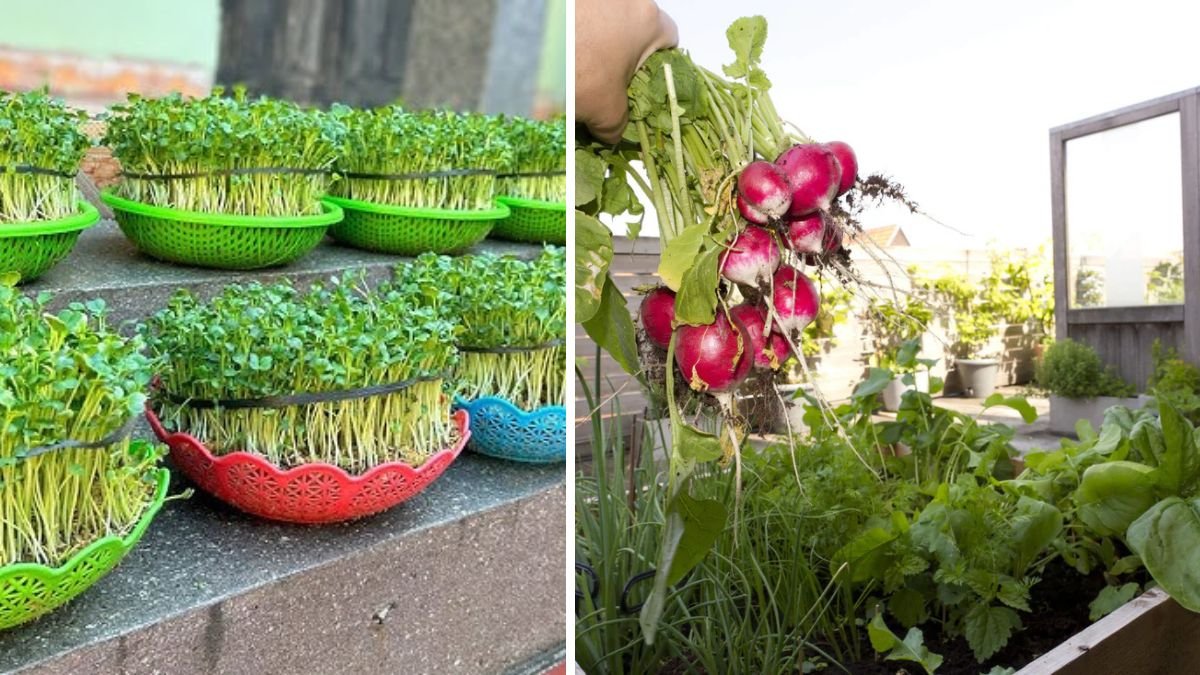
Microgreens are young vegetable greens harvested shortly after germination. They are extremely popular because they grow fast, require little space, and are rich in vitamins and antioxidants.
Common microgreens include:
- Radish microgreens
- Broccoli microgreens
- Pea shoots
- Mustard greens
- Sunflower greens
Under proper lighting and moisture, microgreens are usually ready to harvest in 10 to 14 days, and some varieties can be usable slightly earlier. Although they may not always hit the five-day mark, sprouts grown similarly can.
Microgreens are ideal for salads, sandwiches, smoothies, and garnishes, making them a perfect solution for fast homegrown nutrition.
Sprouts: Vegetables in Nearly 5 Days
Sprouts are grown from soaked seeds and do not require soil. They grow rapidly because they rely on the energy stored inside the seed.
Popular sprouting seeds include:
- Alfalfa
- Mung beans
- Lentils
- Radish
- Broccoli
Sprouts can be ready to eat in as little as 5 to 7 days, making them the fastest edible plants you can grow at home. They are commonly grown in jars or trays and need only water, airflow, and basic hygiene.
For anyone serious about growing food as fast as possible, sprouts are the most reliable answer.
Very Fast Traditional Vegetables (2–4 Weeks)
If you’re willing to wait a bit longer for more substantial harvests, several vegetables grow exceptionally fast compared to others.
Radishes are one of the quickest traditional garden vegetables, often ready in 21 to 28 days.
Arugula grows rapidly and can be harvested as baby leaves in 20 to 30 days.
Spinach and lettuce can be harvested early as baby greens within 4 to 6 weeks.
While these crops don’t meet the five-day timeline, they are still excellent choices for anyone focused on speed and efficiency.
Why Fast-Growing Vegetables Are So Popular
The rise in fast-growing vegetables is driven by several factors:
- Food security concerns
- Rising grocery costs
- Urban and apartment living
- Interest in sustainable lifestyles
- Health-focused diets
Being able to grow fresh food quickly gives people more control over what they eat and reduces reliance on store-bought produce. It’s also incredibly satisfying to plant seeds and see results almost immediately.
For beginners, fast-growing crops provide motivation and confidence, making gardening more enjoyable and less intimidating.
How to Grow and Harvest Quickly: Proven Tips
Choose the Right Crops
Speed starts with selection. Focus on microgreens, sprouts, and leafy greens rather than fruiting vegetables. These plants grow quickly because they don’t need to produce flowers or fruit before harvest.
Optimize Growing Conditions
Fast growth depends heavily on environmental conditions:
- Consistent moisture (but not waterlogging)
- Good airflow to prevent mold
- Adequate light, either natural sunlight or grow lights
- Warm temperatures, ideally between 18–24°C (65–75°F)
Even the fastest crops will slow down if conditions are poor.
Use Cut-and-Come-Again Harvesting
Many leafy greens can be harvested multiple times. Instead of pulling out the whole plant, you cut the outer leaves and allow the plant to continue growing. This technique gives you continuous harvests from a single planting.
Succession Planting for Constant Food
Planting small batches every few days ensures that you always have something ready to harvest. This method is especially effective for microgreens and fast leafy vegetables.
Nutritional Benefits of Fast-Harvest Vegetables
One major advantage of microgreens and sprouts is their nutrient density. Studies have shown that young greens often contain higher concentrations of vitamins and antioxidants compared to mature vegetables.
They are rich in:
- Vitamin C
- Vitamin K
- Beta-carotene
- Antioxidants
This makes them an excellent addition to a healthy diet, especially when fresh produce is limited.
Common Myths About Growing Vegetables in 5 Days
Myth: You can grow full-size vegetables in five days.
Reality: Only sprouts and very young greens grow that fast.
Myth: Fast-growing vegetables lack nutrition.
Reality: Microgreens and sprouts are often more nutritious than mature plants.
Myth: You need expensive equipment.
Reality: Many fast-growing vegetables can be grown with simple trays, jars, and natural light.
Final Thoughts
Growing and harvesting vegetables quickly is not just possible—it’s practical and rewarding when done correctly. While full-size vegetables need time, sprouts and microgreens offer a realistic way to enjoy homegrown food in as little as five days. With the right approach, even beginner gardeners can experience fast success.
By focusing on smart crop choices, proper growing conditions, and efficient harvesting methods, [FOCUS KEYWORD] becomes more than a catchy phrase—it becomes a lifestyle shift toward faster, fresher, and more sustainable food production.
If your goal is rapid results, reduced grocery dependence, and fresh nutrition at home, fast-growing vegetables are the perfect place to start.