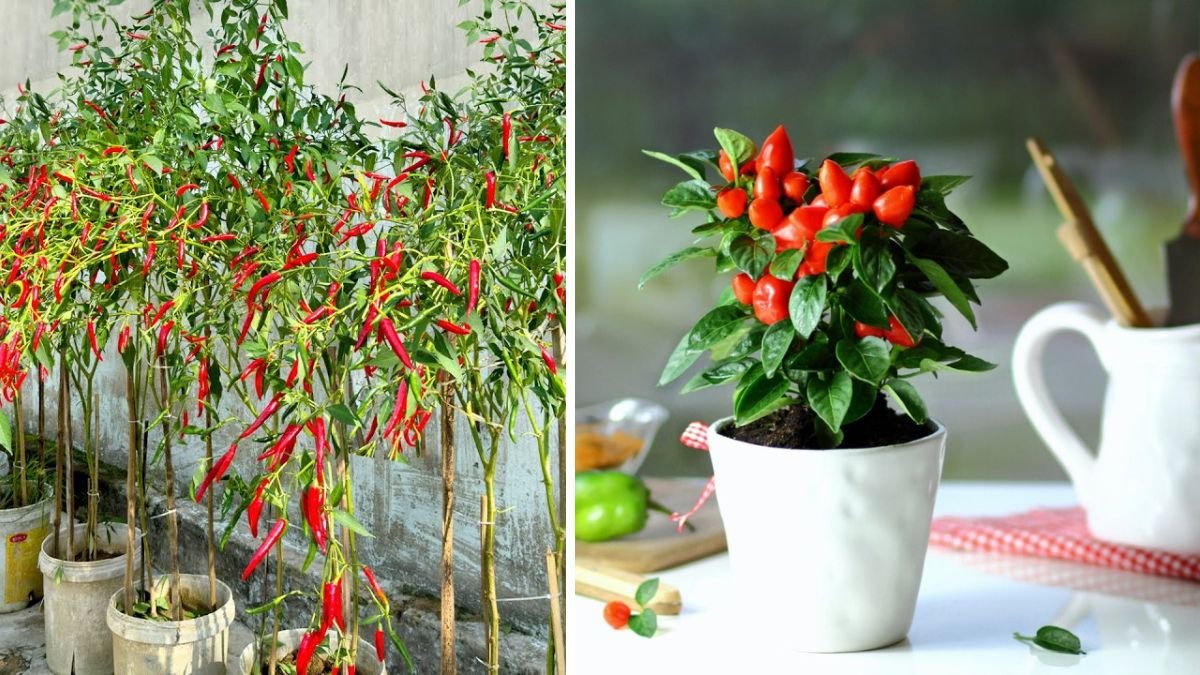
Growing chili peppers at home has become increasingly popular among home gardeners, urban growers, and food enthusiasts alike. Whether you enjoy mildly sweet peppers or fiery hot varieties, chili plants are rewarding, versatile, and surprisingly adaptable. With the right approach, even beginners can enjoy healthy plants and generous harvests. This guide brings together the best [FOCUS KEYWORD] to help you grow chili peppers successfully at home, whether in containers, balconies, or backyard gardens.
Background: Why Grow Chili Peppers at Home?
Chili peppers originate from warm, tropical regions, but modern varieties are well-suited to a range of climates when given proper care. Home-grown chilies are fresher, more flavorful, and often hotter than store-bought options. They also allow you to control growing conditions, avoid harmful chemicals, and experiment with unique varieties not commonly sold in supermarkets.
Recent gardening trends highlight indoor seed starting, container gardening, and climate-smart techniques that make chili pepper cultivation accessible year-round. With growing interest in sustainable food and self-sufficiency, learning the right chili-growing methods has never been more relevant.
1. Choose the Right Chili Pepper Variety
One of the most important [FOCUS KEYWORD] is selecting the right variety. Chili peppers range widely in size, heat level, growth habit, and maturity time.
- Mild varieties like banana peppers or poblanos are great for beginners
- Medium-heat peppers such as jalapeños and serranos offer balanced flavor
- Hot varieties like habaneros or bird’s eye chilies require more heat and patience
For small spaces, look for compact or dwarf varieties that perform well in containers. Always consider your local climate and growing season before choosing seeds.
2. Start Seeds Indoors for Stronger Plants
Chili peppers have a long growing season and benefit from early indoor starts. Begin seeds 6–8 weeks before the last frost date.
Use seed trays or small pots filled with light, well-draining seed-starting mix. Keep soil consistently moist and place seedlings in a warm location. Chili seeds germinate best at temperatures between 75–85°F (24–29°C).
Starting indoors gives plants a strong head start and increases the chances of early and abundant fruiting.
3. Provide the Right Soil Mix
Healthy soil is the foundation of productive chili plants. Peppers prefer soil that is:
- Loose and well-draining
- Rich in organic matter
- Slightly acidic to neutral (pH 6.0–6.8)
A high-quality potting mix combined with compost, perlite, or vermiculite works well for containers. Avoid heavy garden soil, which can compact easily and restrict root growth.
4. Sunlight Is Non-Negotiable
Among the most essential [FOCUS KEYWORD] is ensuring proper light exposure. Chili peppers need at least 6–8 hours of direct sunlight daily.
For outdoor plants, choose the sunniest location available. Indoors, place plants near south-facing windows or supplement with grow lights. Insufficient light leads to leggy plants, fewer flowers, and reduced yields.
5. Master the Art of Watering
Watering mistakes are a common reason chili plants fail. Peppers prefer consistent moisture but do not tolerate soggy soil.
- Water deeply when the top inch of soil feels dry
- Ensure containers have proper drainage holes
- Avoid frequent shallow watering
Overwatering can cause root rot, while underwatering can stress plants and reduce fruit production. Learning this balance is one of the most valuable chili-growing skills.
6. Maintain Ideal Temperature Conditions
Chili peppers thrive in warm conditions. The ideal temperature range is:
- Day: 70–85°F (21–29°C)
- Night: Above 55°F (13°C)
Cold temperatures slow growth and can cause flowers to drop. In cooler climates, consider growing peppers in containers so they can be moved indoors or protected during cold spells.
7. Feed Plants with Balanced Nutrition
Fertilization plays a major role in chili productivity. Early growth benefits from nitrogen, while flowering and fruiting require higher levels of phosphorus and potassium.
- Use a balanced fertilizer during early growth
- Switch to a bloom-boosting fertilizer once flowers appear
- Avoid excessive nitrogen, which can cause leafy growth with few peppers
Organic compost or liquid feeds can also support healthy development.
8. Support Plants as They Grow
As chili plants mature, branches may bend under the weight of developing fruits. Providing support helps prevent breakage and improves airflow.
Use stakes, cages, or small trellises for taller varieties. Supporting plants early encourages upright growth and healthier structure throughout the season.
9. Encourage Pollination and Healthy Flowering
Chili peppers are self-pollinating, but gentle movement helps increase fruit set. Outdoor plants benefit from wind and insects, while indoor plants may need assistance.
Lightly shaking plants or using a soft brush to transfer pollen between flowers can improve yields. Consistent watering and stable temperatures also reduce flower drop.
10. Try Container Gardening for Flexibility
Container growing is one of the most practical [FOCUS KEYWORD] for modern gardeners. It allows better control over soil, moisture, and sunlight.
Choose containers at least 12 inches deep and wide, with good drainage. Containers are ideal for patios, balconies, and small yards and can be moved to optimize light and temperature.
11. Practice Companion Planting
Companion planting can naturally improve chili health. Herbs and flowers such as basil, marigolds, and cilantro help repel pests and attract beneficial insects.
Avoid planting peppers near plants that compete heavily for nutrients. Proper spacing improves airflow and reduces disease risk.
12. Harvest at the Right Time
Chili peppers can be harvested at different stages depending on flavor preference. Most peppers start green and change color as they ripen.
- Green chilies have a fresher, milder taste
- Fully ripe chilies offer maximum heat and sweetness
Regular harvesting encourages plants to produce more fruit throughout the season.
Authoritative Sources for Further Reading
To strengthen trust and accuracy, consider referencing these reputable gardening resources:
- Gardening Know How – Chili pepper indoor and outdoor care
- Homes & Gardens – Seed starting and vegetable gardening guides
- The Spruce – Companion planting and pest management
- University agricultural extension services for local growing advice
Final Thoughts
Growing chili peppers at home is both enjoyable and practical when done correctly. By following these [FOCUS KEYWORD], you can cultivate healthy plants, avoid common mistakes, and enjoy flavorful harvests season after season. With the right balance of sunlight, water, soil, and care, chili peppers reward growers with vibrant colors, bold flavors, and a sense of gardening success that few plants can match.