Introduction
Trying something new in the kitchen often comes with curiosity, excitement, and a bit of uncertainty. For many people, sprouting beans is already familiar — mung beans, lentils, or chickpeas are common choices. But the first time making bean sprouts from peanuts, the experience feels different. Peanuts are usually thought of as roasted snacks or peanut butter ingredients, not something you grow into fresh sprouts.
Yet interest in peanut sprouts has been growing steadily due to emerging research on their nutritional value. When peanuts are sprouted, their structure, flavor, and health properties change dramatically. The end result is not only edible but surprisingly nutritious and versatile. This article explores what happens when you sprout peanuts for the first time, why people are trying it, and what makes the final outcome worth the effort.
Understanding Peanut Sprouts
Peanut sprouts come from germinating raw, untreated peanuts under controlled moisture and temperature conditions. Unlike traditional bean sprouts, peanut sprouts are thicker, more fibrous, and develop small green shoots if allowed to grow longer. They are widely used in some Asian cuisines, particularly in Korean dishes, where peanut sprouts are prized for their crunchy texture and mild nutty flavor.
From a scientific perspective, sprouting activates enzymes inside the peanut. These enzymes begin breaking down stored nutrients to support plant growth. During this process, the nutritional profile of peanuts changes significantly, making them different from raw or roasted peanuts in both composition and digestibility.
Why People Are Trying Peanut Sprouts for the First Time
The growing interest in peanut sprouts is driven by several factors:
- Health awareness – People are increasingly exploring functional foods that offer more than basic nutrition.
- Plant-based diets – Sprouts fit perfectly into vegetarian and vegan lifestyles.
- Curiosity and experimentation – Home sprouting is inexpensive and accessible.
- Scientific findings – Research has shown that sprouting peanuts can increase certain beneficial compounds.
For many, the first attempt is simply an experiment. The surprise often comes at the end, when the sprouts turn out edible, flavorful, and nutritionally dense.
The Sprouting Process: What Happens Step by Step
When peanuts are soaked in water, they absorb moisture and awaken from dormancy. This is the starting point of germination.
Early Stage (Soaking and Rinsing)
During the first 8–12 hours of soaking, peanuts swell as water penetrates their outer shell. Enzymes begin to activate, preparing the seed for growth. Regular rinsing keeps the peanuts clean and prevents mold.
Germination Stage (Day 2–3)
Tiny white shoots begin to emerge. At this stage, the peanut is officially sprouting. Internally, starches are breaking down into simpler sugars, and proteins are being restructured into amino acids.
Growth Stage (Day 4–5)
Sprouts become thicker and longer. If exposed to light, small green leaves may form. The peanuts are now transformed into living plant food with a different texture, flavor, and nutritional profile than the original seed.
The End Result: What Peanut Sprouts Are Like
For first-time sprouters, the end result is often unexpected.
Appearance
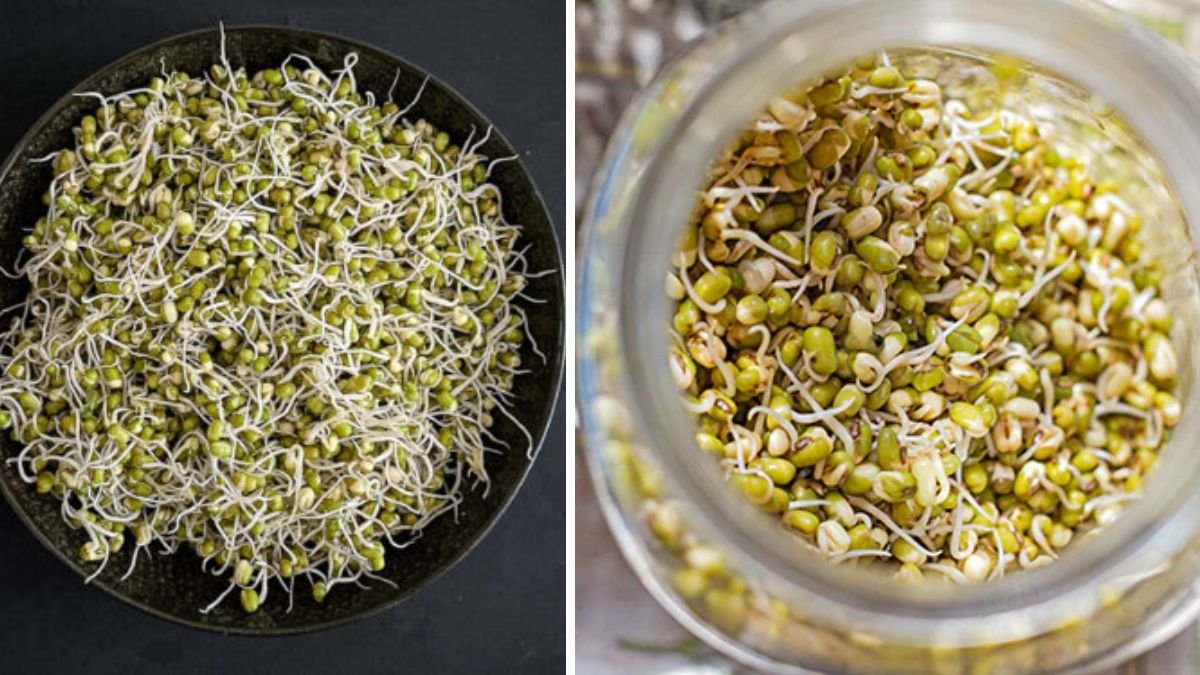
Peanut sprouts are bulkier than mung bean sprouts and may still have part of the peanut attached. They look hearty and substantial rather than delicate.
Texture
They are crunchy yet tender, holding up well to cooking without becoming mushy.
Flavor
The taste is mild, fresh, and slightly nutty — less intense than roasted peanuts and less grassy than some other sprouts.
Culinary Uses
Peanut sprouts can be eaten raw (with caution), lightly blanched, stir-fried, added to soups, or used in salads. Cooking enhances safety while maintaining most of their nutritional value.
Nutritional Changes During Sprouting
One of the most compelling reasons people explore [FOCUS KEYWORD] is nutrition.
Increased Antioxidants
Studies indicate that sprouting peanuts significantly increases antioxidant compounds, including resveratrol. Resveratrol is associated with cellular protection and anti-inflammatory properties.
Improved Digestibility
Sprouting reduces antinutrients such as phytic acid, which can interfere with mineral absorption. This makes nutrients easier for the body to absorb.
Enhanced Bioavailability
Vitamins, amino acids, and phenolic compounds become more accessible during germination, potentially increasing the overall nutritional impact of peanuts.
Health Benefits of Peanut Sprouts
When consumed safely, peanut sprouts may offer several health advantages:
Supports Digestive Health
The breakdown of complex compounds during sprouting can make peanut sprouts gentler on digestion compared to raw peanuts.
Antioxidant Support
Higher antioxidant levels help combat oxidative stress, which plays a role in aging and chronic disease.
Heart-Friendly Nutrition
Peanut sprouts retain beneficial fats while offering added plant compounds that may support cardiovascular health.
Plant-Based Protein Source
They remain a valuable protein source for those following plant-forward diets.
Safety Considerations When Sprouting Peanuts
While the benefits are appealing, safety is essential.
Raw sprouts of any kind can carry bacteria if grown improperly. Clean water, sanitized containers, and frequent rinsing are crucial. For added safety, many people lightly cook peanut sprouts before eating, which significantly reduces risk.
Individuals who are pregnant, elderly, immunocompromised, or serving young children should avoid raw sprouts and opt for cooked versions instead.
Tips for First-Time Peanut Sprout Success
- Use only raw, untreated peanuts suitable for sprouting
- Avoid roasted, salted, or heat-processed peanuts
- Rinse and drain thoroughly to prevent excess moisture
- Keep sprouts in a warm, well-ventilated area
- Start with small batches until confident
These simple steps can make the difference between success and disappointment.
Why the End Is Worth It
For many people, the first attempt at making bean sprouts from peanuts starts as an experiment. The end result often exceeds expectations. What begins as an unfamiliar process becomes a rewarding way to create fresh, nutrient-rich food at home.
The transformation of peanuts into sprouts highlights the power of simple food processes. With minimal equipment and a few days of patience, peanuts become something entirely new — crunchy, fresh, and surprisingly versatile.
Conclusion
The first time making bean sprouts from peanuts, the end is often a pleasant surprise. From enhanced nutrition to unique texture and flavor, peanut sprouts offer a fresh perspective on a familiar food. As interest in functional, plant-based foods continues to grow, peanut sprouts stand out as a simple yet powerful option.
With proper care and safety practices, sprouting peanuts can become a valuable addition to a healthy, adventurous kitchen — proving that sometimes the most unexpected foods deliver the biggest rewards.