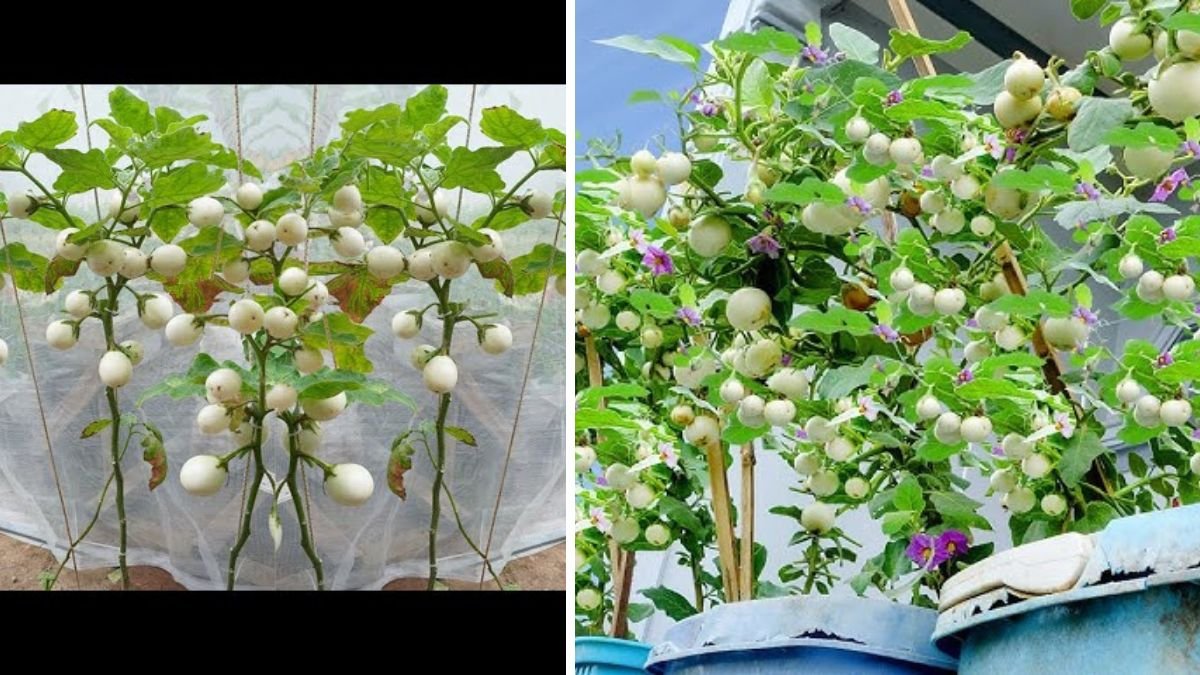

White eggplant, also known as white brinjal or aubergine, is an increasingly popular vegetable in home gardens. Its creamy color, mild flavor, and tender texture make it a favorite for cooking and ornamental planting alike. While it may seem challenging for beginners to achieve high yields, with the right techniques, even first-time gardeners can harvest a bumper crop. This article walks you through everything you need to know to grow white eggplant successfully using [FOCUS KEYWORD], from selecting seeds to maximizing fruit production.
Why Grow White Eggplant?
White eggplants are more than just visually striking. They are nutritious, rich in antioxidants, and versatile in the kitchen. Compared to the traditional purple varieties, white eggplants tend to be less bitter and often produce tender flesh ideal for stir-fries, grilling, and baking. For home gardeners, they also offer a unique aesthetic, making gardens or balcony containers more attractive. With proper care, white eggplants can produce an abundant harvest, giving you both beauty and food value in one plant.
From a horticultural perspective, white eggplants respond well to controlled care. By managing nutrients, sunlight, water, and plant structure, gardeners can significantly increase yield — which is why [FOCUS KEYWORD] focuses on optimizing plant growth and energy allocation toward fruiting.
Step 1: Choosing the Right Variety
Selecting a suitable white eggplant variety is crucial for beginners aiming for high yield. Popular beginner-friendly varieties include:
- White Beauty – Compact, high-yielding, and resistant to common diseases.
- Casper – Produces smooth, round fruits with consistent size.
- Snowball – Known for early fruiting and tender flesh.
- White Star – Ideal for container gardening and heavy fruit production.
High-quality seeds or seedlings with disease resistance will ensure a stronger start, reduce losses, and improve the chances of abundant harvests.
Step 2: Starting Seeds and Seedlings
White eggplants can be grown from seeds or purchased seedlings. Both approaches are beginner-friendly:
- Seeds: Sow about half an inch deep in seed trays or small pots. Keep the soil warm and moist; germination typically occurs in 7–14 days. (bandrahillroadmarket.com)
- Seedlings: Choose robust seedlings with at least 4–6 true leaves. Transplant carefully, ideally in the evening or under partial shade to reduce transplant shock.
Ensuring a healthy start is one of the first steps in achieving high yield, as plants that germinate and grow well are more likely to flower and fruit abundantly.
Step 3: Preparing Soil and Containers
Soil quality is one of the most important factors for high-yielding white eggplants. They thrive in fertile, well-drained soil. Key tips include:
- Soil Mix: Combine garden soil with compost or vermicompost, and add materials like cocopeat or sand for drainage.
- pH Range: Aim for slightly acidic to neutral soil (pH 6.0–7.0).
- Containers: For pot gardening, choose containers of at least 20–25 liters to accommodate root growth.
Organic matter not only improves soil structure but also enhances nutrient availability, which is essential for flowering and fruiting. (seedy.farm)
Step 4: Providing Optimal Sunlight and Temperature
White eggplants thrive in warm, sunny environments:
- Sunlight: Ensure at least 6–8 hours of direct sunlight per day.
- Temperature: Ideal growth occurs in warm conditions; avoid frost or cold drafts.
Proper sunlight encourages robust flowering and fruit set. Plants deprived of adequate light may grow slowly, produce fewer flowers, and yield less fruit.
Step 5: Watering for Consistent Growth
Consistent watering is critical for high yields:
- Water deeply at the base of the plant to encourage strong root growth.
- Keep soil evenly moist, especially during flowering and fruiting stages.
- Mulching helps retain soil moisture and reduces evaporation.
Avoid water stress, as irregular watering can cause flower drop or smaller, fewer fruits. Maintaining consistent moisture is a cornerstone of [FOCUS KEYWORD], allowing plants to focus energy on fruit production rather than survival. (somuchviral.com)
Step 6: Fertilizing for Fruit Development
White eggplants are heavy feeders, and fertilization is crucial for high yield:
- Apply organic compost or vermicompost every 2–3 weeks around the base.
- Use natural additives like neem cake, bone meal, and wood ash for nutrient enrichment and pest deterrence.
- Liquid fertilizers such as compost teas or diluted cow dung water can enhance nutrient availability during growth.
Balanced nutrition ensures strong foliage and encourages abundant fruit formation, which is the main goal for high-yield cultivation. (bandrahillroadmarket.com)
Step 7: Supporting Plants and Pest Management
As eggplants bear fruit, their stems may become top-heavy. Providing structural support is essential:
- Use stakes, cages, or trellis systems to prevent stems from bending or breaking.
- Keep plants weed-free and monitor for common pests like aphids and fruit borers.
Proper support improves airflow, reduces fruit damage, and allows plants to allocate more energy toward fruiting rather than structural repair. (bandrahillroadmarket.com)
Step 8: Harvesting for Maximum Yield
Timing your harvest is key to encouraging continuous fruiting:
- White eggplants mature 60–80 days after transplanting, depending on variety.
- Harvest fruits when firm and glossy — not dull or overly large.
- Use clean shears to cut fruits with a short stem attached.
Regular harvesting stimulates the plant to produce more fruits. Delaying harvest can reduce overall yield and affect the quality of subsequent fruits. (gardenerguidebook.com)
Common Mistakes to Avoid
Even experienced gardeners can make errors that limit yield. Avoid these pitfalls:
- Overfertilizing with nitrogen, which encourages leaf growth at the expense of flowers.
- Inconsistent watering, leading to stress and flower drop.
- Ignoring pruning and support needs.
- Crowded planting that reduces airflow and sunlight.
- Failing to harvest regularly.
Correcting these issues is often the easiest way to significantly increase yield without adding extra effort.
Conclusion: Beginner-Friendly High Yield
Growing white eggplant successfully relies on consistent care, careful observation, and smart gardening practices. By following these steps, beginners can achieve impressive results:
- Choose high-quality seeds or seedlings.
- Prepare nutrient-rich soil and provide adequate sunlight.
- Water consistently and fertilize appropriately.
- Support plants, manage pests, and harvest on time.
Applying [FOCUS KEYWORD] ensures that your plants use their energy efficiently, producing more flowers, fruits, and ultimately a higher harvest. With attention to these practical steps, white eggplants can thrive in gardens, pots, or terraces, offering both beauty and abundance.
Start today, and in a few weeks, you’ll enjoy fresh, tender white eggplants straight from your garden — a true reward for any beginner gardener.
Authoritative Sources
- Bandra Hill Road Market – How to Grow White Eggplants
- Gardener Guide Book – White Eggplant Cultivation
- Seedy Farm – Growing Eggplant
- So Much Viral – White Eggplant Tips