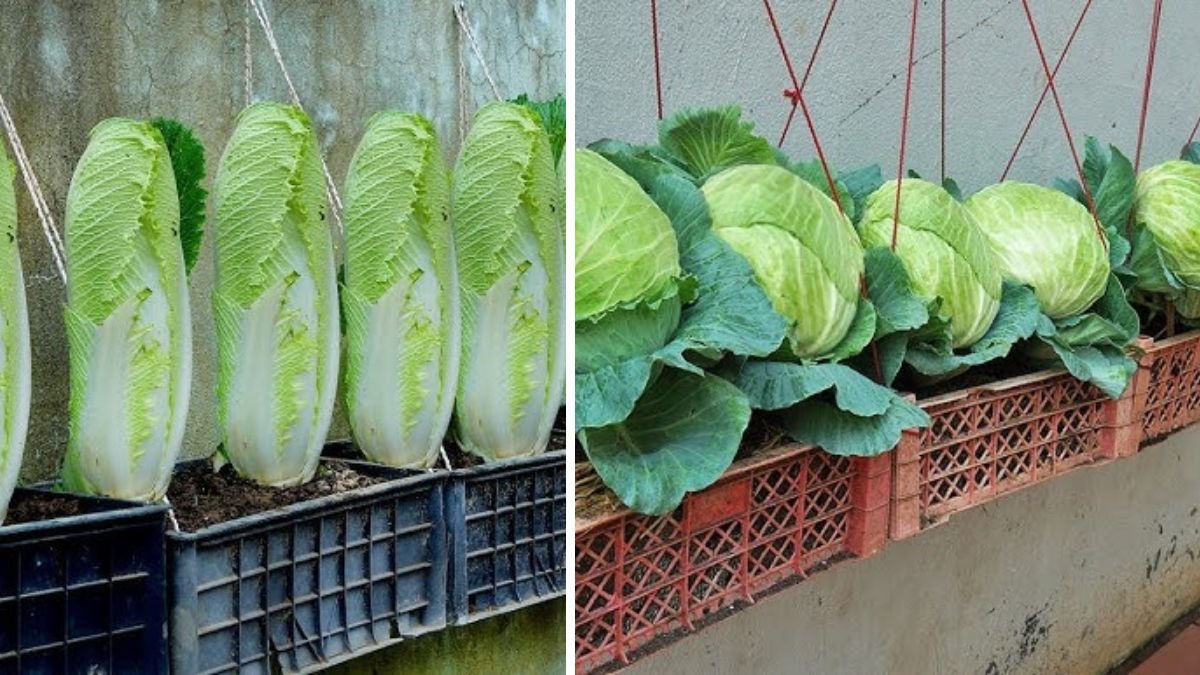

Growing your own vegetables no longer requires a large backyard or traditional garden beds. Thanks to modern container gardening and urban farming techniques, even people living in apartments can enjoy fresh, homegrown produce. One standout vegetable for beginners and small spaces is cabbage. With the right approach, you can grow super delicious cabbage at home, even if you don’t have a garden at all.
This guide explores everything you need to know about [FOCUS KEYWORD], from why homegrown cabbage tastes better to step-by-step instructions for growing it successfully in containers, balconies, patios, or indoors.
Why Homegrown Cabbage Is So Delicious
Cabbage grown at home often tastes noticeably better than store-bought varieties. The reason is simple: freshness and control. When you grow cabbage yourself, you decide the soil quality, watering schedule, and feeding routine. This results in sweeter, crunchier leaves with a cleaner, more vibrant flavor.
Commercial cabbage is usually harvested early and stored for long periods during transport. Homegrown cabbage, on the other hand, can be picked at peak maturity and used immediately. This makes a big difference in texture and taste, whether you’re preparing coleslaw, stir-fries, soups, or fermented dishes like sauerkraut.
Another major advantage is safety. Growing cabbage at home allows you to avoid chemical pesticides and synthetic treatments, making your harvest healthier and more environmentally friendly.
Background: Growing Cabbage Without a Garden
Traditionally, cabbage was considered a crop that required large garden plots. However, recent trends in container gardening and urban agriculture have proven otherwise. Cabbage plants have compact root systems that adapt well to pots, grow bags, and crates when given enough space and nutrients.
As long as your plants receive adequate sunlight, water, and fertile soil, they can thrive on balconies, rooftops, patios, or even sunny windows indoors. This makes [FOCUS KEYWORD] an ideal choice for urban dwellers, beginners, and anyone looking to grow food in limited space.
Choosing the Right Container
The container is one of the most important factors in growing cabbage successfully. Each cabbage plant needs room for its roots to expand and support head formation.
Choose a container that is at least 12 inches deep and 12 inches wide per plant. Larger containers are even better, as they hold moisture more consistently and allow for better nutrient distribution. Suitable options include:
- Large plastic or ceramic pots
- Fabric grow bags
- Wooden crates lined with plastic
- Recycled buckets with drainage holes
Make sure your container has proper drainage to prevent water from accumulating at the bottom, which can cause root rot.
Soil and Nutrition Requirements
Cabbage is a heavy feeder, meaning it requires nutrient-rich soil to grow well. Use a high-quality potting mix rather than garden soil, as potting mixes are lighter, drain better, and reduce disease risk.
For best results, enrich your soil with:
- Well-rotted compost or vermicompost
- Organic matter such as aged manure
- A slow-release balanced fertilizer
The ideal soil should be loose, fertile, and capable of holding moisture without becoming waterlogged. Feeding your plants regularly throughout the growing season is essential for producing firm, flavorful cabbage heads.
Sunlight and Placement
Cabbage plants love sunlight. To grow super delicious cabbage at home, aim for at least 6 to 8 hours of direct sunlight each day.
Outdoor options include balconies, terraces, patios, or rooftops that receive consistent sun. If you are growing indoors, place your container near a south-facing window or supplement with grow lights to ensure proper development.
Insufficient light can result in weak plants, loose heads, and poor flavor, so sunlight is a key factor in success.
Watering the Right Way
Consistent watering is crucial when growing cabbage in containers. The soil should remain evenly moist but never soggy. Too much water can lead to root problems, while inconsistent watering may cause heads to split or develop bitterness.
Check the soil regularly by inserting your finger about an inch deep. If it feels dry, water thoroughly until excess water drains from the bottom. During hot weather, container plants may need watering once a day.
Mulching the soil surface with straw, dry leaves, or coco coir can help retain moisture and regulate temperature.
Temperature and Growing Conditions
Cabbage grows best in cool to moderate temperatures, ideally between 15–24°C (60–75°F). This makes it well-suited for spring, fall, or mild winter growing in many regions.
If temperatures become too hot, cabbage may bolt or develop loose heads. In warmer climates, place containers where plants receive morning sun and afternoon shade to prevent heat stress.
Pest Control and Plant Care
Even container-grown cabbage can attract pests such as aphids, cabbage worms, and loopers. Regular inspection is important to catch problems early.
Safe and effective organic pest control methods include:
- Neem oil sprays
- Hand-picking visible insects
- Covering plants with fine mesh or netting
- Encouraging beneficial insects
Remove yellowing or damaged leaves to improve air circulation and reduce disease risk.
Harvesting Your Cabbage
Cabbage is usually ready to harvest within a few months, depending on the variety. Heads are ready when they feel firm and solid when gently squeezed.
Use a sharp knife to cut the head at the base, leaving the outer leaves intact. In some cases, smaller secondary heads may grow afterward, extending your harvest.
Freshly harvested cabbage can be used immediately or stored in a cool place for short periods.
Expert Tips for Better Results
To get the most out of [FOCUS KEYWORD], keep these expert tips in mind:
- Rotate soil or refresh potting mix between seasons
- Feed plants every few weeks during active growth
- Mulch to conserve moisture and protect roots
- Avoid overcrowding containers
- Monitor plants regularly for pests and nutrient deficiencies
Small, consistent efforts lead to healthier plants and better-tasting cabbage.
Final Thoughts
Growing super delicious cabbage at home is easier than most people think. You don’t need a garden, expensive tools, or advanced skills. With the right container, quality soil, sufficient sunlight, and regular care, anyone can enjoy fresh cabbage straight from their home.
Whether you live in an apartment or a house, [FOCUS KEYWORD] offers a rewarding way to grow your own food, improve your diet, and reconnect with nature — one crisp, flavorful cabbage at a time.