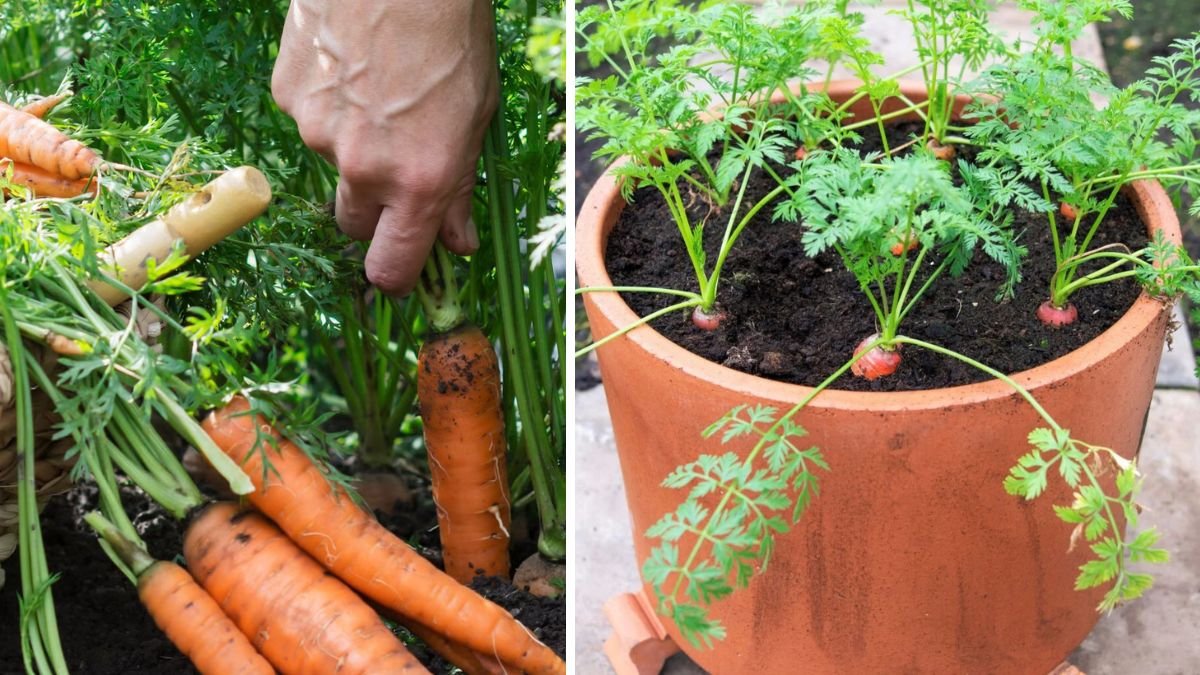

Focus Keyword: How I Grow Carrots at Home for High Yield, Very Easy
URL Slug: grow-carrots-at-home-high-yield-easy
Meta Description: Discover how I grow carrots at home for high yield using very easy methods. Learn soil prep, planting, watering, care, and harvesting tips for healthy, sweet carrots—even if you’re a beginner.
Background Context: Why Grow Carrots at Home?
Carrots (Daucus carota) are one of the most rewarding vegetables to grow at home. They are nutritious, versatile, and surprisingly easy when you follow the right approach. Homegrown carrots are sweeter, fresher, and free from unnecessary chemicals compared to store-bought ones. Many gardeners avoid carrots because they believe they are difficult to grow, but the truth is simple: carrots only demand loose soil, consistent moisture, and a little patience.
Learning how I grow carrots at home for high yield, very easy, can help beginners and experienced gardeners alike enjoy abundant harvests from small spaces. Whether you have a backyard garden, raised bed, or deep container on a balcony, carrots adapt well when given proper care. With the right techniques, you can consistently harvest straight, crunchy, and flavorful carrots throughout the growing season.
Choosing the Right Carrot Varieties for High Yield
The first step in growing carrots successfully is selecting the right seeds. Different carrot varieties perform better in different soil conditions and climates. Long carrot types like Nantes or Imperator grow best in deep, loose soil, while shorter varieties like Chantenay or baby carrots are ideal for containers and heavy soils.
For high yield and ease of growth, look for disease-resistant and fast-maturing varieties. Heirloom carrots are also a popular choice due to their superior flavor and natural adaptability. Always purchase fresh, high-quality seeds, as carrot seeds lose viability quickly.
Choosing the right variety sets the foundation for success and makes the entire growing process easier and more productive.
Preparing the Perfect Soil for Carrots
Soil preparation is the most critical step when learning how to grow carrots at home for high yield. Carrots are root crops, and their shape and size depend heavily on soil structure.
Carrots prefer loose, sandy, or loamy soil that allows roots to grow straight and deep. Heavy clay soil can cause carrots to become short, forked, or misshapen. If your soil is compacted, amend it with compost, sand, or well-rotted organic matter. Remove stones, sticks, and clumps before planting.
The ideal soil pH for carrots is slightly acidic to neutral, between 6.0 and 6.5. Avoid using fresh manure, as it encourages excessive leafy growth and causes root deformities. A well-prepared bed improves drainage, boosts nutrient availability, and significantly increases yield.
Best Location and Sunlight Requirements
Carrots grow best in full sun, requiring at least six hours of direct sunlight daily. However, they can tolerate partial shade, especially in warmer climates. Choose a location that receives morning sun and some afternoon shade if temperatures are extremely high.
Raised beds and containers are excellent options if garden soil is poor. Containers should be at least 12 inches deep to allow proper root development. Proper sunlight ensures strong growth, better photosynthesis, and sweeter carrots at harvest.
How to Plant Carrot Seeds Correctly
Carrot seeds are tiny, which makes planting challenging for beginners. Sow seeds directly into the soil, as carrots do not transplant well. Plant seeds about ¼ inch deep and lightly cover them with fine soil.
Spacing is important for high yield. Sow seeds thinly in rows spaced 12 to 18 inches apart. To make sowing easier, mix seeds with fine sand before planting. This helps distribute them evenly and prevents overcrowding.
Carrot seeds germinate slowly, often taking 10 to 20 days. During this time, keep the soil consistently moist. Do not allow the soil surface to dry out, or germination may fail.
Watering Techniques for Strong Root Growth
Proper watering is essential when learning how I grow carrots at home for high yield, very easy. Carrots need consistent moisture, especially during germination and early growth stages.
Water lightly but frequently until seedlings emerge. Once established, provide deep watering once or twice a week, depending on weather conditions. Deep watering encourages roots to grow downward, producing longer and healthier carrots.
Avoid overwatering, as soggy soil can lead to rot and disease. Mulching with straw, dried leaves, or compost helps retain moisture, regulate soil temperature, and reduce weed growth.
Thinning Seedlings for Bigger Carrots
Thinning is a crucial step many gardeners skip, resulting in poor yields. Once seedlings are about 2 inches tall, thin them so each carrot has enough space to grow.
Final spacing should be about 2 to 3 inches between plants. Overcrowded carrots compete for nutrients and water, leading to small or misshapen roots. Carefully remove excess seedlings rather than pulling them forcefully, which can disturb nearby roots.
Though thinning may feel wasteful, it dramatically improves overall yield and carrot size.
Fertilizing and Ongoing Care
Carrots are light feeders and do not require heavy fertilization. Too much nitrogen encourages leafy tops rather than root growth. Use a balanced, low-nitrogen fertilizer or compost before planting.
Keep the garden bed weed-free, especially during early growth stages. Weeds compete with carrots for nutrients and moisture. Gently remove weeds by hand to avoid disturbing shallow roots.
Monitor for pests such as carrot flies and aphids. Using fine mesh covers, companion planting, or organic pest control methods can help protect your crop without chemicals.
Harvesting Carrots at the Right Time
Carrots are typically ready for harvest 8 to 12 weeks after planting, depending on the variety. You can start harvesting baby carrots earlier or wait for full-size roots.
Loosen the soil gently before pulling carrots to prevent breakage. Harvesting after light frost can enhance sweetness, as cold temperatures convert starches into sugars.
After harvesting, remove leafy tops to prevent moisture loss. Store carrots in a cool, humid place or refrigerate them for extended freshness.
Why This Method Works for High Yield
This method focuses on soil quality, proper spacing, consistent watering, and minimal stress on plants. By addressing the most common carrot-growing mistakes, you can achieve higher yields with less effort.
Understanding how I grow carrots at home for high yield, very easy, allows gardeners to enjoy consistent success season after season. With simple preparation and routine care, carrots become one of the most reliable and productive vegetables in any home garden.
Authoritative Sources for Further Reading
For additional expert guidance, consult trusted gardening resources such as:
- The Old Farmer’s Almanac – Carrot Growing Guide
- University Extension Gardening Programs
- National and regional horticulture organizations
Final Thoughts
Growing carrots at home does not have to be complicated. With the right soil, proper watering, and simple maintenance, anyone can enjoy a high-yield carrot harvest. Whether you are a beginner or an experienced gardener, these easy techniques will help you grow healthier, sweeter carrots with confidence.