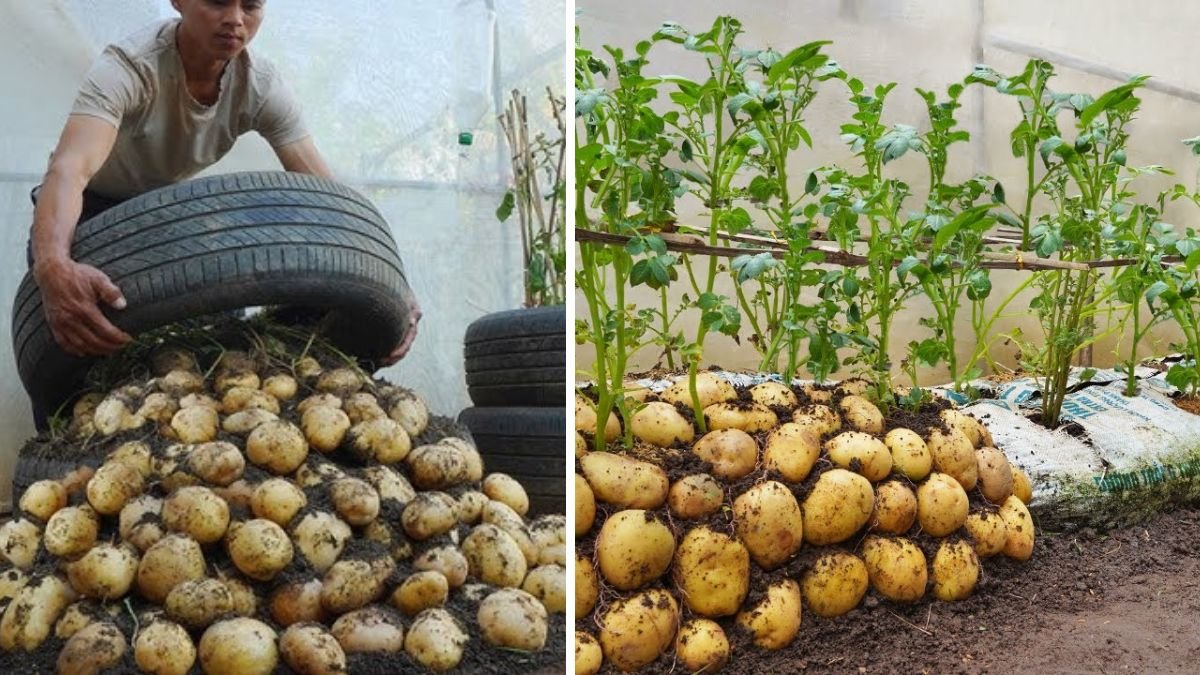

Potatoes are one of the most beloved and versatile vegetables worldwide. They appear in countless recipes, from hearty stews to crispy fries, and are a staple in nearly every cuisine. While many assume potatoes are difficult to grow, the truth is quite the opposite. Growing potatoes at home has become increasingly simple, accessible, and even enjoyable — whether you have a large garden or just a balcony. In this guide, we’ll walk you through why potatoes are perfect for home gardeners, step-by-step planting techniques, care tips, and expert insights to help you achieve an abundant harvest.
Why Growing Potatoes at Home Is Trending
Home gardening has experienced a significant resurgence in recent years. From sustainability concerns to rising grocery prices, more people are realizing the value of growing food at home. Potatoes, in particular, have gained popularity because they are:
- Easy to grow: Potatoes require minimal care compared to other crops.
- Versatile in space: They can thrive in containers, raised beds, or traditional gardens.
- High yielding: With proper care, even a small setup can produce a substantial harvest.
Recent agricultural research has made potato cultivation even more accessible. Scientists have developed methods to grow potatoes in small domestic spaces, reducing the need for large plots of land while still yielding plenty of tubers (The Moscow Times, 2025). Traditional gardening authorities also confirm that potatoes are beginner-friendly and can flourish with consistent attention (Haribhoomi, 2025).
The Benefits of Homegrown Potatoes
Homegrown potatoes offer a range of advantages beyond convenience:
- Freshness and taste: Nothing compares to the flavor of freshly harvested potatoes.
- Nutritional value: Potatoes are rich in vitamins, minerals, and fiber.
- Cost-effective: Growing your own potatoes reduces grocery bills.
- Control over pesticides: You can grow potatoes organically without chemical inputs.
- Therapeutic activity: Gardening reduces stress and encourages a connection with nature.
Even if you live in an urban environment, potatoes are highly adaptable. You can grow them in containers, grow bags, or even vertical garden setups. This flexibility makes potatoes perfect for anyone looking to start a home garden with minimal space.
Step-by-Step Guide to Growing Potatoes at Home
Here’s a practical, detailed guide to ensure your potato harvest is both plentiful and healthy.
Step 1: Select Seed Potatoes
Start with healthy seed potatoes. These are either small whole potatoes or pieces with “eyes,” which are sprouting points. Avoid using grocery store potatoes that may be treated to prevent sprouting, as they will not grow effectively. Certified seed potatoes from garden centers are the best choice (Aaj Tak, 2025).
Step 2: Choose Your Growing Method
Potatoes are highly versatile and can grow in various settings:
- Containers and pots: Ideal for small balconies or patios. Use containers at least 2–3 feet deep with drainage holes.
- Raised beds: Suitable for medium-sized gardens and help improve soil drainage.
- Traditional garden plots: Perfect for larger spaces; allows planting in rows and easy hilling of soil.
Step 3: Planting the Potatoes
- Soil preparation: Use loose, rich, and well-drained soil. Adding compost improves fertility and texture.
- Planting depth: Bury seed potatoes about 5–10 inches deep, with eyes facing upward.
- Spacing: Leave 12–15 inches between each seed potato to give roots room to grow.
This method ensures the potatoes have enough nutrients and space for optimal growth.
Step 4: Care and Maintenance
Potatoes are relatively low-maintenance, but proper care ensures a higher yield:
- Sunlight: Ensure at least 6–8 hours of sunlight daily.
- Watering: Keep soil moist but not waterlogged. Overwatering can cause rot.
- Hilling: As plants grow, gradually mound soil around the stems. This promotes tuber formation and prevents exposure to sunlight, which turns potatoes green and toxic.
- Fertilization: A balanced fertilizer or organic compost helps boost growth.
Consistent care makes a significant difference, even if your space is limited.
Step 5: Harvesting Your Potatoes
- Early varieties may be ready in 60–90 days, while late varieties can take 120 days or more.
- Harvest when foliage starts yellowing or after plants stop flowering.
- Carefully dig around the plant to avoid damaging tubers.
After harvesting, store potatoes in a cool, dark, and dry area to prolong shelf life.
Tips for Maximizing Your Yield
- Select the right variety: Choose varieties suited for your climate and growing conditions.
- Use quality soil: Potatoes grow best in light, fertile soil with good drainage.
- Regular monitoring: Check plants for pests and diseases regularly. Early detection prevents significant losses.
- Container hilling: For container-growing, continue adding soil as the plant grows to encourage more tubers.
- Crop rotation: Avoid planting potatoes in the same soil consecutively to reduce disease risks.
By following these tips, even beginner gardeners can enjoy an impressive potato harvest.
Expert Insights and Innovations
Agricultural scientists and gardening experts are continually improving potato cultivation methods. Recent research from Russian institutes demonstrates methods to grow potatoes indoors without traditional fields, making it accessible to urban households (The Moscow Times, 2025).
Some gardeners also experiment with aeroponics or vertical systems. Although still niche, these methods allow potatoes to grow without soil, speeding up growth and potentially increasing yield (KisanTak, 2024).
Common Mistakes to Avoid
- Overwatering: Can cause rot and fungal diseases.
- Planting in poor soil: Leads to small, misshapen tubers.
- Ignoring sunlight needs: Potatoes require at least six hours of sun for proper growth.
- Neglecting hilling: Exposes tubers to sunlight, turning them green and toxic.
Avoiding these mistakes ensures a healthy and abundant harvest.
Authoritative Resources for Further Learning
For additional guidance, consult these reliable sources:
- Royal Horticultural Society (RHS): Offers comprehensive growing guides.
- USDA Gardening Resources: Provides advice on crop rotation and soil management.
- University Extension Gardening Programs: Offers local advice for different climates and soil types.
Conclusion
Growing potatoes at home is not only feasible but also fun and rewarding. With proper planning, the right soil, and minimal care, even a small space can yield a bountiful harvest. Whether you’re a beginner or an experienced gardener, potatoes are an excellent choice for anyone looking to enjoy fresh, homegrown produce.
By following the tips outlined here, you can transform your home garden into a reliable source of nutritious and delicious potatoes. Start small, stay consistent, and enjoy the process — your abundant potato harvest awaits!